Support Path
Class IV laser equipment
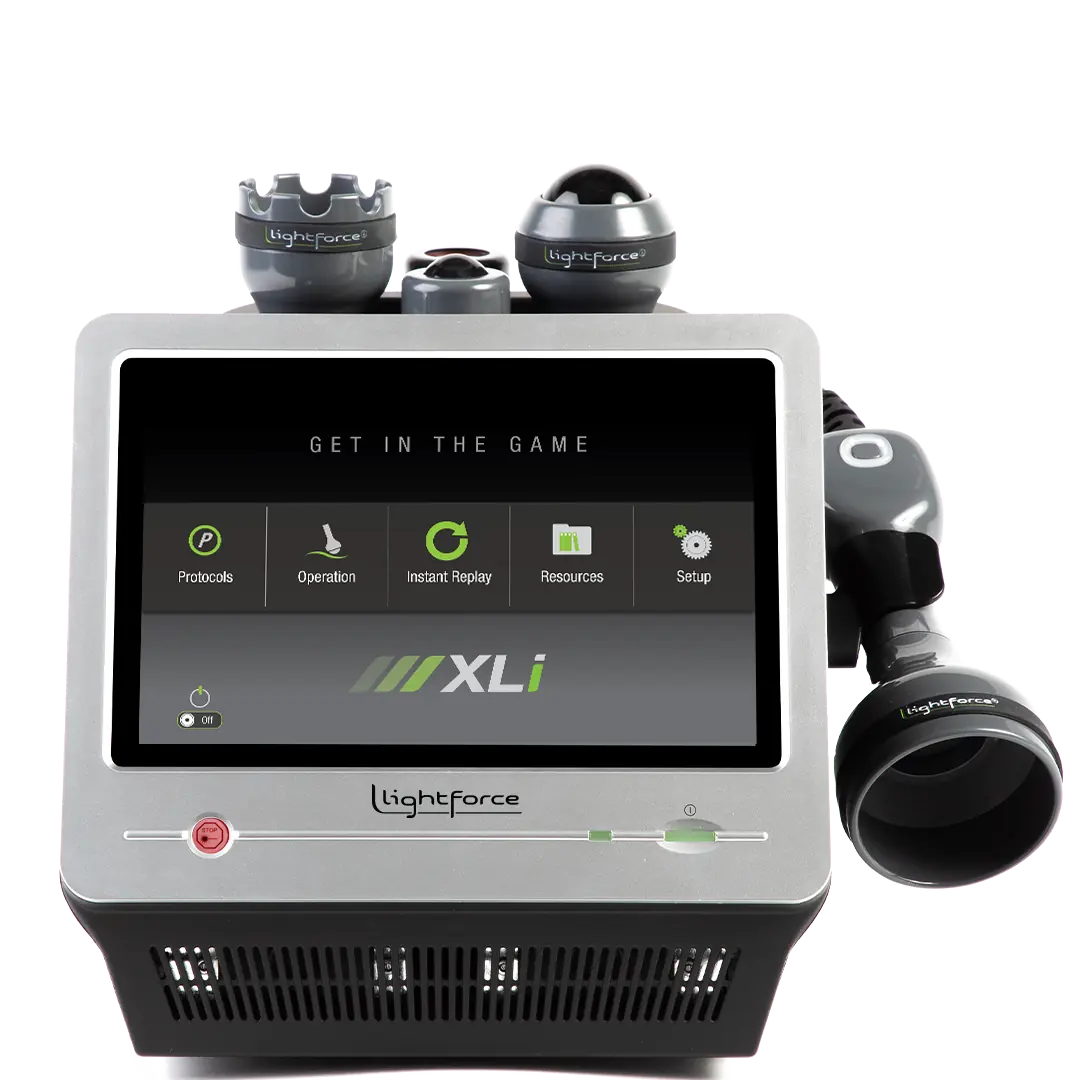
Compare the professional laser system, current operating documentation, room controls, compatible accessories, and operator requirements.


LightForce® laser systems support clinic teams evaluating high-intensity laser therapy as an adjunct to clinician-directed rehabilitation care. The right system depends on caseload, treatment area, workflow, and support needs. Chattanooga Rehab is a rehabilitation equipment manufacturer serving professional clinics with LightForce laser and Intelect shockwave systems.
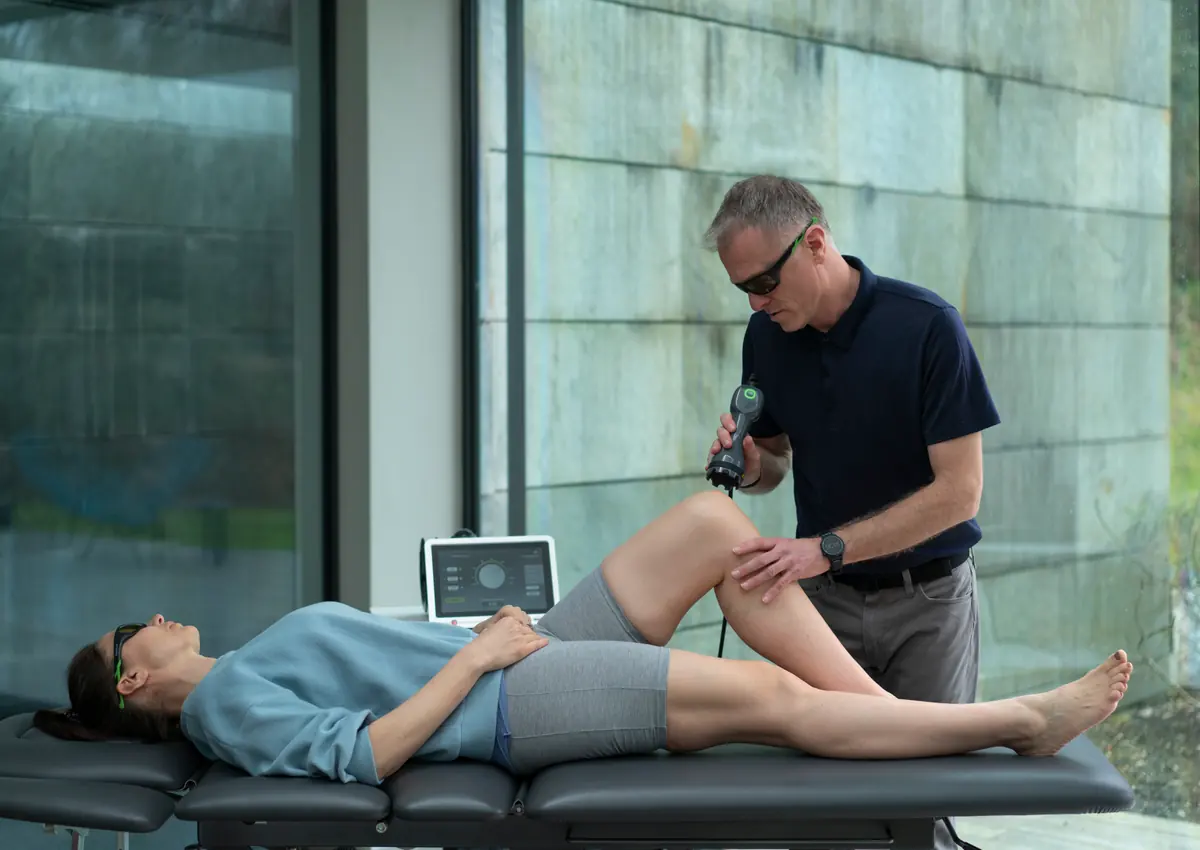
Before a LightForce demonstration, identify the intended operators, receiving room, and configuration your clinic wants to evaluate. Ask the representative to show the controls, compatible handpiece and treatment heads, documented setup, and protective-equipment requirements for the proposed model.
Record what staff observe and which questions need written follow-up. Compare the demonstrated system with the equipment quote, included instruction, and support terms before approving the purchase. Review the current product instructions with the clinical lead. [1]
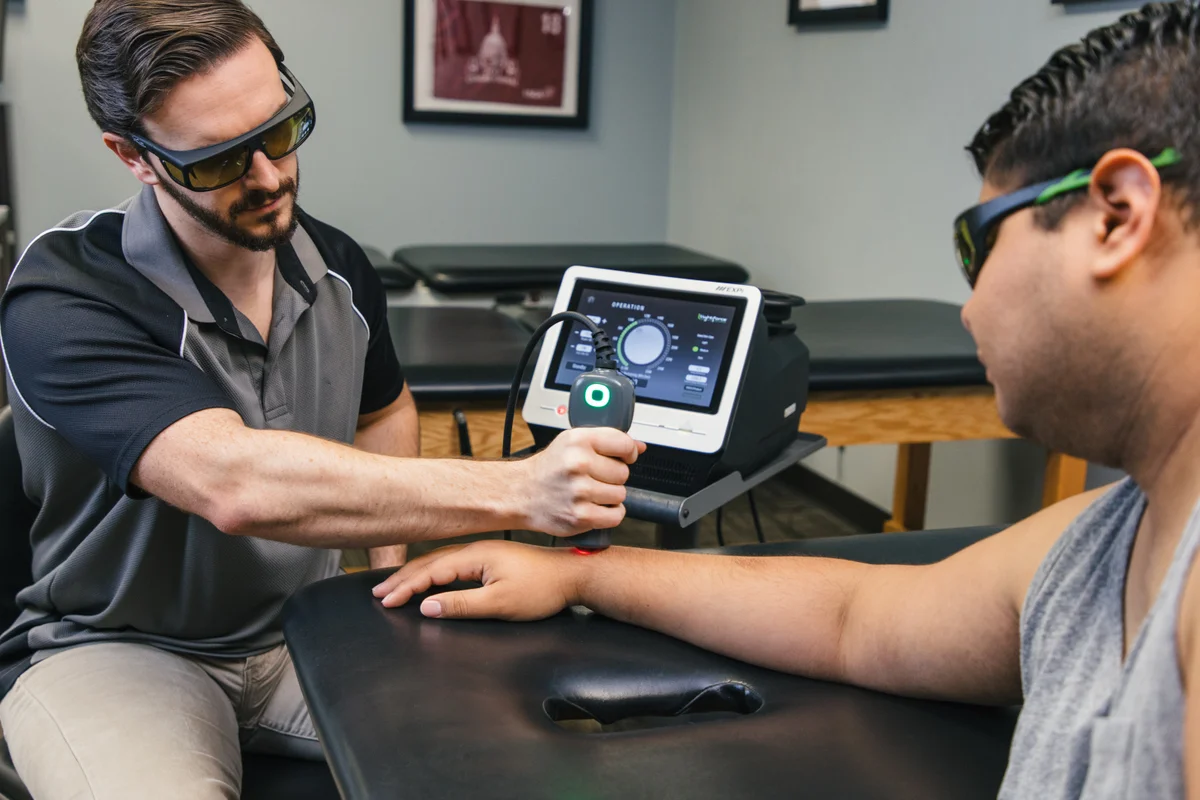
Compare the professional laser system, current operating documentation, room controls, compatible accessories, and operator requirements.
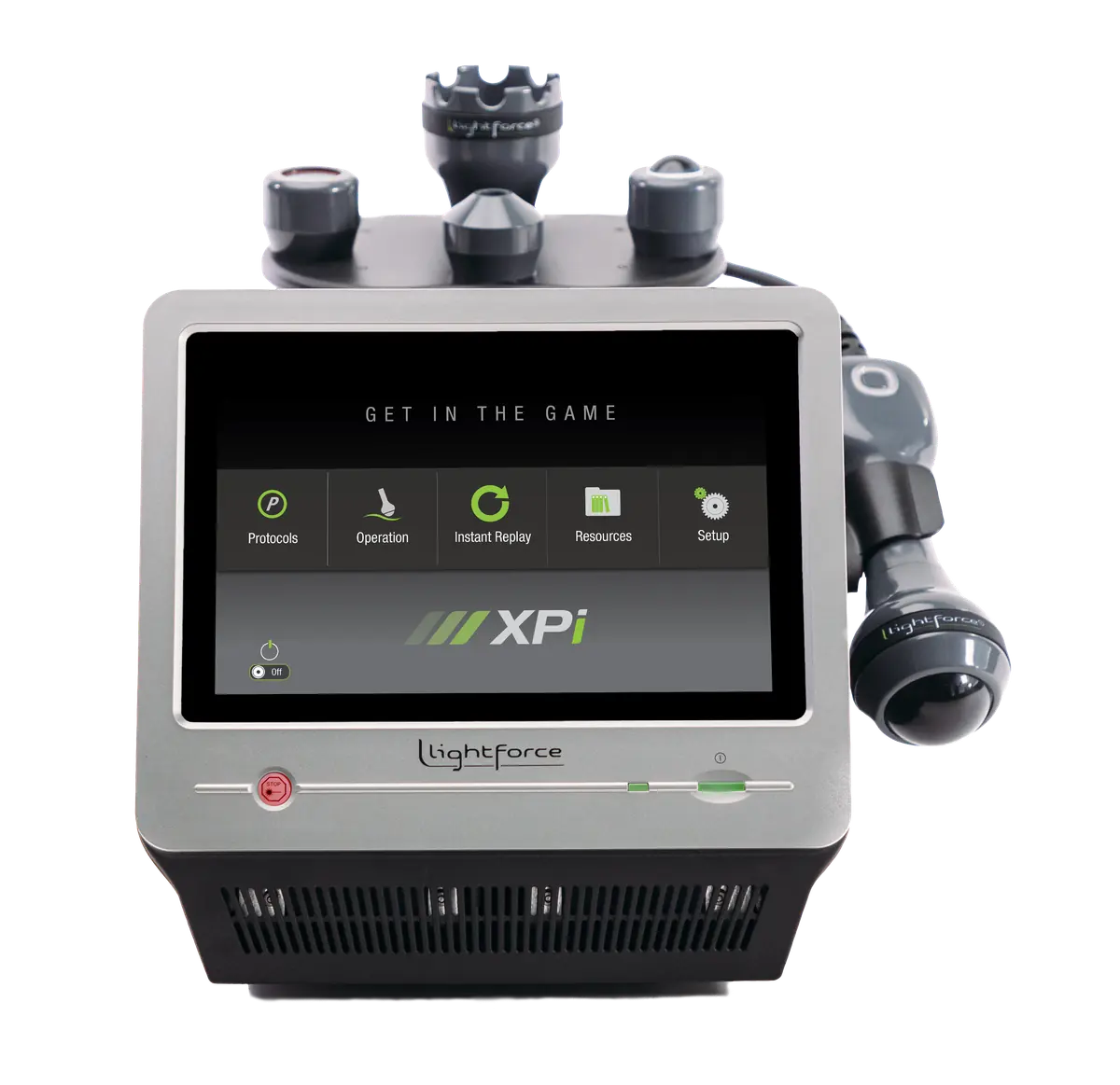
Compare LightForce model configuration, portability, treatment volume, and operator workflow against the needs of the receiving clinic.
Request an itemized quote identifying the proposed model, treatment heads, training, delivery, warranty, and written support scope.
Request a LightForce demonstration to review the proposed system, controls, accessories, room setup, training, and quote scope with your team.
Use this path when a clinic is ready to schedule a guided conversation about laser fit, implementation, and next steps.
Category, workflow, training, support, and quote questions.
Compare LightForce model configuration, portability, and clinic workflow.
Cost, price, quote, financing, and purchase-planning questions.
Clinic workflow and implementation planning for laser equipment.
These questions are written for clinics, rehab directors, chiropractors, sports medicine teams, and purchasing groups evaluating equipment, pricing, training, service, and implementation.
Ask which model fits the clinic, what accessories are included, how training works, what support is available after install, and what quote variables affect the final purchase.
Start with treatment volume, room setup, portability needs, clinician workflow, and whether the team needs a higher-output system or a more mobile configuration.
Model, configuration, treatment heads, cart or accessory needs, training, warranty terms, service coverage, and purchase structure can all affect the quote.
Yes. The right comparison should focus on clinic workflow, intended use, staff comfort, room setup, portability, and the level of support the team needs.
Ask whether onboarding covers setup, safety workflow, treatment-head selection, interface use, protocol guidance, staff handoff, and support for future team members.
Ask what the warranty covers, how support requests are handled, what service timelines look like, and what options exist if equipment needs attention.
Space planning depends on the model, cart or table setup, power access, clinician movement, and whether the device will stay in one treatment room or move between rooms.
A demo or guided comparison is useful when the buying team needs to see workflow, interface, setup, treatment-head options, and staff fit before quoting.
Prepare clinic type, expected use, treatment-room setup, number of clinicians, preferred model if known, training needs, and any accessory or service questions.
Compare product documentation, training, support, service path, warranty, configuration, and clinical workflow fit rather than judging the purchase by price alone.
1. Chattanooga. Class IV laser therapy devices: indications, safety, training, and equipment selection. Laser device indications, operating context, and training questions.
Review the current US instructions for the exact equipment configuration before approving clinical use, accessories, room controls, or staff training. Manufacturer documentation supports product facts; clinical research addresses its stated study population and methods. A study does not extend a device indication. [1]