Model
System selection
The model conversation should come before price comparison because workflow and configuration drive the quote.


LightForce laser cost depends on the model, included treatment heads, accessories, training, delivery, warranty, and written service terms. Request an itemized quote for the exact configuration so your team can compare the complete purchasing scope rather than an unsupported online price. Chattanooga Rehab is a rehabilitation equipment manufacturer serving professional clinics with LightForce laser and Intelect shockwave systems.
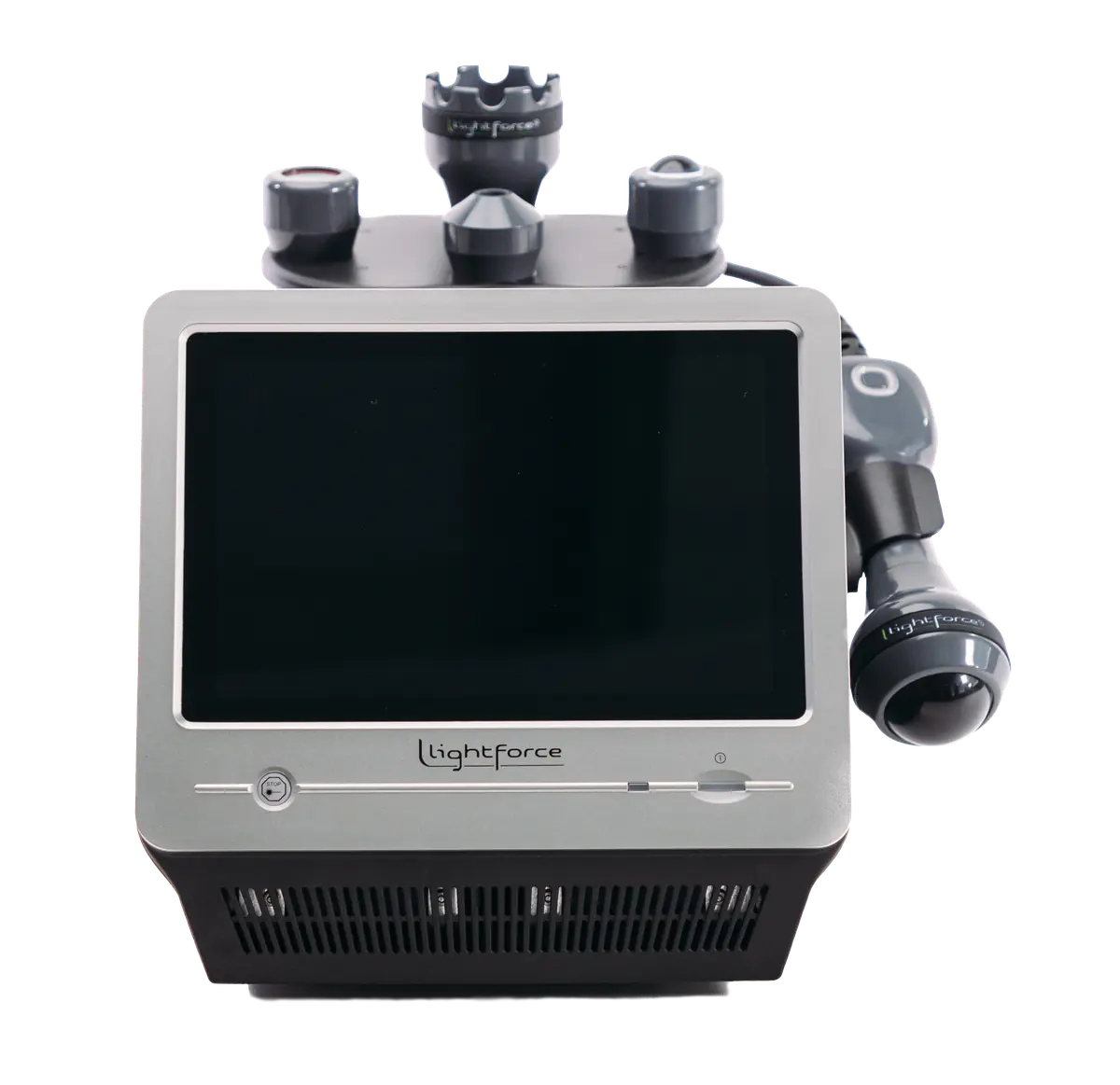
An equipment quote is useful when the model, included components, training, and service terms are clear. Compare the complete package before comparing totals.
The model conversation should come before price comparison because workflow and configuration drive the quote.
Treatment heads, carts, onboarding resources, and service expectations may change the buying discussion.
Cost questions should include training, warranty, customer support, and downtime planning.
These questions are written for clinics, rehab directors, chiropractors, sports medicine teams, and purchasing groups evaluating equipment, pricing, training, service, and implementation.
LightForce laser cost depends on model, configuration, accessories, training, support, warranty, and purchase structure. Chattanooga Rehab should quote the system after fit is clear.
Model choice, accessory package, treatment heads, cart or mobility needs, onboarding, warranty terms, service coverage, and financing or purchase structure can affect pricing.
A basic quote conversation can start before a demo, but the strongest quote usually follows a model-fit discussion and accessory review.
Ask Chattanooga Rehab which purchase structures are currently available and request the applicable terms in writing.
A clear quote should identify the model, included accessories, training, warranty terms, service expectations, delivery or setup assumptions, and next steps.
Compare documentation, training, warranty, service path, manufacturer support, accessories, and clinic workflow fit before making price the deciding factor.
A clinic considering used equipment should verify supportability, documentation, warranty status, service options, accessory condition, and whether current training is available.
Share clinic type, expected use, treatment volume, model interest, room setup, accessory needs, training expectations, and whether financing needs to be discussed.
A multi-location quote should account for each site’s room setup, staff count, training needs, device allocation, and support expectations.
The next step should be a conversation about model fit, configuration, accessories, training, warranty, service, and purchasing timeline.
1. Chattanooga. Class IV laser therapy devices: indications, safety, training, and equipment selection. Laser device indications, operating context, and training questions.
Individual results may vary. Neither DJO Global, Inc. nor any of its subsidiaries dispense medical advice. The contents of this website do not constitute medical, legal, or any other type of professional advice. Rather, please consult your healthcare professional for information on the courses of treatment, if any, which may be appropriate for you.
Review the current US instructions for the exact equipment configuration before approving clinical use, accessories, room controls, or staff training. Manufacturer documentation supports product facts; clinical research addresses its stated study population and methods. A study does not extend a device indication. [1]