

Class IV laser therapy equipment for clinical practices
Clinics comparing Class IV laser therapy equipment need practical answers about device category, model fit, room setup, staff workflow, training, and support. Chattanooga Rehab is a rehabilitation equipment manufacturer serving professional clinics with LightForce laser and Intelect shockwave systems.
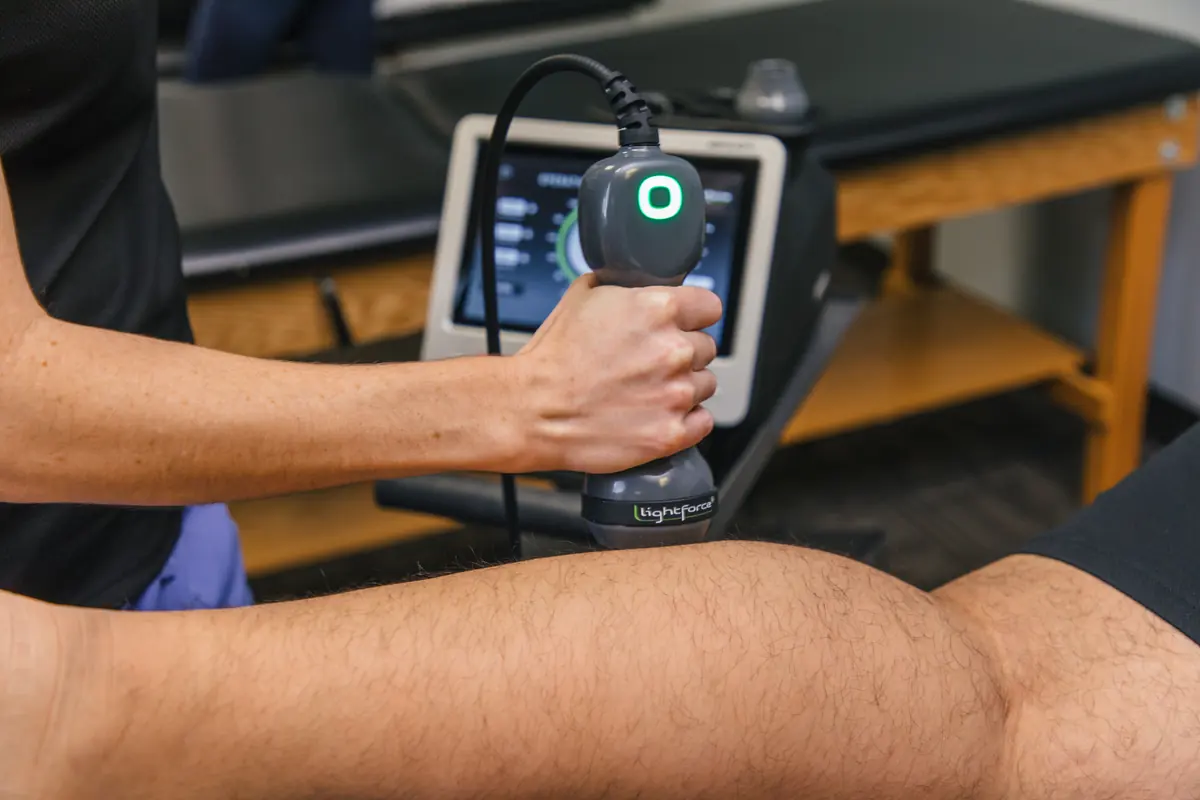
Build the buying decision around fit.
Compare the exact equipment configuration, room requirements, operator training, and written support terms before requesting a quote.
- Class IV systems
Compare professional therapy laser equipment by use case, output range, delivery controls, and clinic workflow.
- Room and staff fit
Evaluate treatment room setup, staff onboarding, safety workflow, and repeatable use before choosing a configuration.
- Training and service
Ask what training, warranty, customer support, and downtime planning are included before purchase.
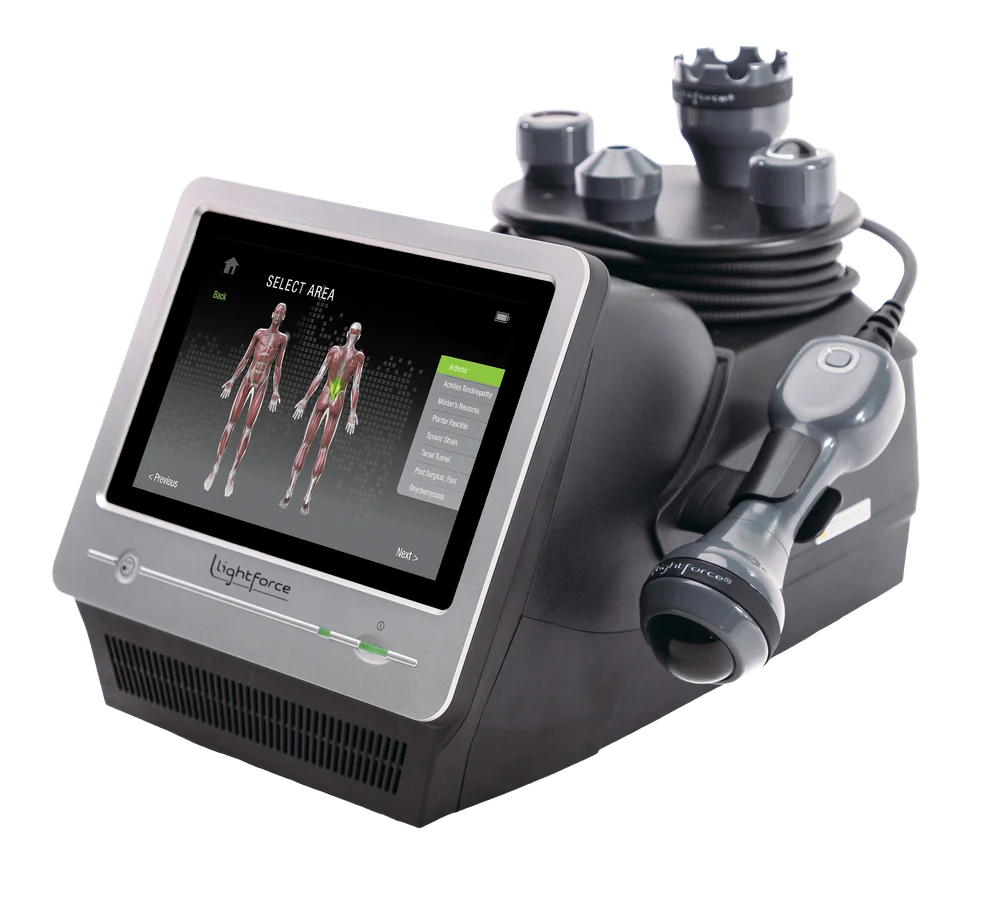
Prepare for your equipment discussion
Frequently asked questions
How should a clinic compare Class IV laser equipment quotes?
Request an itemized quote for the exact laser model, then compare the proposed package line by line. Record the handpiece, treatment heads, eyewear, delivery, training, warranty, and service terms separately. The XLi/XPi manual describes device components and safety requirements, but does not establish what your purchase includes or its current price. Resolve missing items before comparing totals. Do not treat a treatment-price estimate as an equipment purchase quote. [1]
Which Class IV laser specifications should a clinic compare before a demo?
Compare documented output range, operating modes, treatment heads, controls, physical dimensions, and power requirements for the quoted model. Ask the demonstrator to show how settings are selected and confirmed, rather than treating maximum wattage as an outcome claim. The XLi/XPi manual describes adjustable output power, treatment time, and pulse rate, plus interchangeable treatment heads. Match those capabilities to qualified operators and the planned treatment area. A Class IV classification alone does not establish clinical effectiveness. [1]
What Class IV laser warranty terms should be confirmed in writing?
Confirm the start date, covered components, exclusions, purchaser eligibility, and shipping responsibilities in the current purchase agreement. The inspected XLi/XPi manual describes a 24-month warranty from initial shipment, limited to the original purchaser, with exclusions for specified damage and altered identification markings. That manual is not a substitute for the terms of a new quote. Ask whether accessories and any separately purchased service agreement have different coverage before approving the order. [1]
What should a clinic verify about laser equipment service before buying?
Confirm who receives fault reports, how repairs are authorized, and which costs remain the clinic's responsibility. The XLi/XPi manual states that there are no user-serviceable internal components and directs malfunction reports to Customer Care. It asks callers to have the account, model, and serial number available. Build those records into your equipment register. Request current repair and shipping terms in writing; do not assume a loaner, turnaround time, or transferable coverage. [1]
What operator training should our clinic confirm before using a Class IV laser?
Confirm basic laser safety orientation and proficiency training for each intended operator before use. The XLi/XPi manual expressly requires both. Ask the training provider to cover device controls, emergency stop, emission indicators, access control, eyewear, patient feedback, and the applicable instructions. Record completion and how replacement staff will be trained. A product demonstration is an opportunity to evaluate the system, not proof that every operator has completed the required training. [1]
How should laser treatment time be evaluated during an equipment demo?
Evaluate the whole appointment, not just the laser countdown. Walk through screening, patient preparation, eyewear, parameter selection, application, cleaning, and documentation with the intended operators. The XLi/XPi manual allows treatment parameters to reflect patient characteristics and the selected application. Record the workflow you observe with the proposed configuration. Avoid projecting a fixed visits-per-hour target or promising every patient the same application time from one demonstration. [1]
What financing questions should a clinic ask before purchasing a Class IV laser?
Ask for the current written financing proposal, if one is available for your purchase. Compare the deposit, payment schedule, total obligation, ownership terms, and any separate service charges with the equipment quote. Identify who provides the financing and what approval is required. These are questions to resolve with the provider, not a statement that Chattanooga Rehab offers a particular plan or that your clinic qualifies. Keep financing assumptions separate from clinical equipment selection.
What must be ready before a clinic starts using a newly delivered laser?
Delivery alone does not complete the readiness review. Check the shipment for damage, reconcile the device and accessories with the order, and have the intended operators complete training. The XLi/XPi manual describes initial setup, a secure ventilated location, a supporting surface, and a controlled treatment area. Confirm readiness at every room where the device will operate. Do not assume another manufacturer's same-day launch claim applies to the proposed LightForce system. [1]
What reimbursement questions should a clinic resolve before budgeting for laser equipment?
Ask your billing lead and the applicable payer to review the proposed service before placing reimbursement assumptions in the purchase budget. Request the relevant policy, documentation requirements, and any patient-payment restrictions in writing. This equipment guide does not establish coverage, a billing code, or payment eligibility. Do not use a competitor's insurance statement as authorization to bill your service. Compare a purchasing scenario without assumed reimbursement while those questions remain unresolved.
How should a clinic evaluate the purchase without relying on a laser ROI promise?
Build a clinic-specific budget and test its assumptions before approving the order. Itemize the purchase obligation, proposed accessories, training, service terms, room preparation, and the staff time you observe during a demo. Keep projected visits and patient charges clearly labeled as your own assumptions. Do not treat an equipment quote or another clinic's experience as a return-on-investment guarantee. Ask your financial adviser to review the scenario and any tax questions separately.
What cleaning workflow should a clinic evaluate before buying a therapy laser?
Evaluate how staff will clean contact heads between patients using the exact device instructions. The XLi/XPi manual calls for cleaning contact treatment heads between treatments and describes shutting down and unplugging the system before cleaning. It also cautions that cleaning solution must evaporate before laser emission. Ask operators to demonstrate the approved process during onboarding and include it in room turnover planning. Do not substitute a cleaning procedure from a different manufacturer's handpiece. [1]
What should buyers verify about continuing education offered with laser training?
Request the course title, provider, format, profession-specific eligibility, credit documentation, and any separate charge before counting continuing education in the purchase package. Ask how the course relates to device operation and laser safety training. Do not assume another manufacturer's credit offering applies to LightForce or that a course authorizes clinical practice. Record any education offer in the written proposal and resolve its applicability with the relevant credentialing body.
Which intended uses should a clinic confirm when evaluating laser equipment?
Confirm the indications for the exact proposed device before matching it to your patient population. The LightForce XLi/XPi manual describes topical heating for temporary relief of minor muscle and joint pain and stiffness, minor arthritis pain, or muscle spasm, plus temporary increases in local circulation and muscle relaxation. These are limited indications, not claims of tissue healing, disease reversal, or guaranteed recovery. Evaluate the modality within clinician-directed conservative care rather than as a standalone intervention. [1]
How should treatment frequency be considered when planning a clinic laser service?
Have the clinical team determine scheduling from patient presentation, assessment, and the broader care plan. The XLi/XPi manual describes parameter selection based on patient characteristics and condition; it does not establish one visit schedule for every patient. When estimating capacity, separate application time from visit frequency and reassessment. A schedule reported by another manufacturer or used in one study is not a universal protocol for your proposed device or patient population. [1]
How should a clinic evaluate explanations of how Class IV laser therapy works?
Separate the proposed device's labeled purpose from broader biological explanations. The XLi/XPi manual describes visible and near-infrared energy providing topical heating for specified temporary indications. A mechanism explanation does not expand those indications or prove a patient outcome. Ask for sources applicable to the exact device and clinical question, then have the clinical lead assess them. Do not turn cellular or tissue terminology into a repair, regeneration, or cure promise in the purchase decision. [1]
Can a clinic integrate laser therapy with other rehabilitation treatments?
Evaluate integration through the clinician-directed care plan and each intervention's own precautions. The XLi/XPi manual notes that applications can be used with stretching or gentle range-of-motion exercises. Have the clinical lead assess patient selection and sequencing before purchasing. That integration context is not evidence that adding laser improves every program or that any combination produces superior outcomes. [1]
Who may purchase and operate Class IV laser equipment in a clinic?
Check the proposed device's professional-use labeling and applicable licensing requirements before assigning operator roles. The XLi/XPi manual specifies professional use by licensed practitioners and cautions that applicable laws may restrict its sale or prescription. It also requires operator safety orientation and proficiency training. Clinic ownership, a demonstration, or a job title alone does not establish eligibility. Confirm scope and supervision with your clinical lead and the applicable licensing authority rather than relying on a blanket yes for one profession. [1]
What room controls should a clinic verify before installing a Class IV laser?
Review controlled access, warning signage, protective eyewear, ventilation, reflective surfaces, and emergency controls before accepting a room layout. The XLi/XPi manual describes a laser treatment controlled area and requirements for barriers when operating within a larger multi-use area. Moving the device does not make another treatment space ready for use. Have the designated laser safety lead review the exact instructions for every proposed location; do not assume an open treatment bay is suitable without that review. [1]
Which laser treatment risks should our clinical team evaluate before buying?
Evaluate eye injury, skin burns, fire hazards, and the ability to monitor patient comfort before purchase. The XLi/XPi manual warns about serious eye injury from direct or reflected exposure and serious burns. It requires protective eyewear within the controlled treatment area and addresses patient feedback, sensation, and reflective objects. Ask how the proposed workflow will support those precautions. Do not describe Class IV laser treatment as risk-free or assume that training eliminates every risk. [1]
Which contraindications and precautions should our team review before purchasing a Class IV laser?
Review the complete contraindication and warning sections for the exact proposed system. The XLi/XPi manual lists restrictions involving specified areas during pregnancy, children's epiphyseal lines, pacemakers, certain glands, and drugs with heat- or light-sensitive contraindications. It also warns about sensitive skin and poor circulation. These examples are not a complete screening checklist or permission to treat a particular patient. Have qualified clinicians determine whether the labeling fits the intended patient population before purchasing. [1]
References
1. LiteCure. LightForce XLi/XPi User Manual. Sections 1-3, 4.3, 5, and 9-10. Device-specific indications, safety, setup, cleaning, and warranty descriptions. Confirm the instructions and purchase terms applicable to the proposed system.
Individual results may vary. Neither DJO Global, Inc. nor any of its subsidiaries dispense medical advice. The contents of this website do not constitute medical, legal, or any other type of professional advice. Rather, please consult your healthcare professional for information on the courses of treatment, if any, which may be appropriate for you.
Which documentation should guide the purchase?
Review the current US instructions for the exact equipment configuration before approving clinical use, accessories, room controls, or staff training. Manufacturer documentation supports product facts; clinical research addresses its stated study population and methods. A study does not extend a device indication. [1]