

Laser therapy equipment for physical therapy clinics
Physical therapy clinics evaluating laser equipment should compare the proposed clinical role, treatment-room controls, operator training, compatible accessories, and support terms. Bring the clinic's room and staffing requirements to a demonstration before choosing a LightForce configuration. Chattanooga Rehab is a rehabilitation equipment manufacturer serving professional clinics with LightForce laser and Intelect shockwave systems.
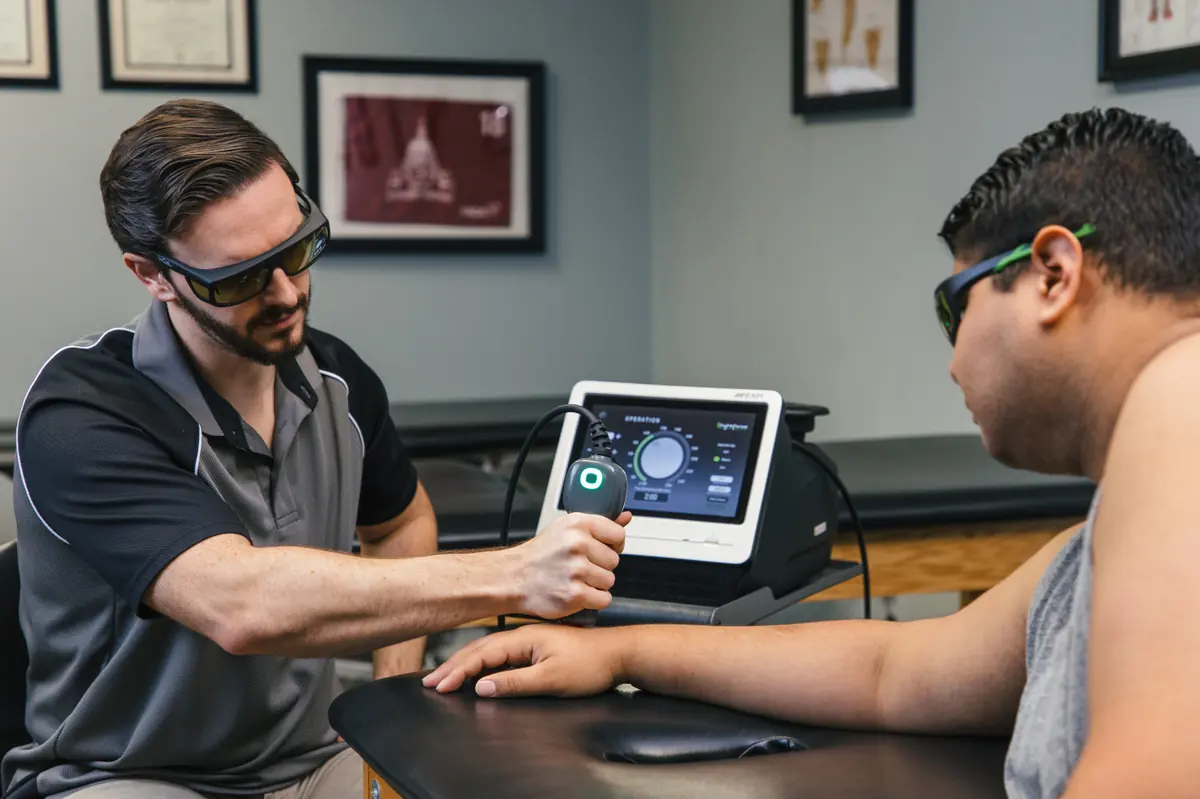
Plan laser equipment for your clinic.
Before requesting a quote, review room setup, staff roles, patient flow, and support responsibilities with the clinicians who will use the laser.
- Treatment room fit
Evaluate space, staff movement, safety workflow, and repeatable setup.
- Training plan
Ask how clinicians and new staff are trained after installation.
- Configuration planning
Connect model, accessory, and support questions before discussing purchase structure.
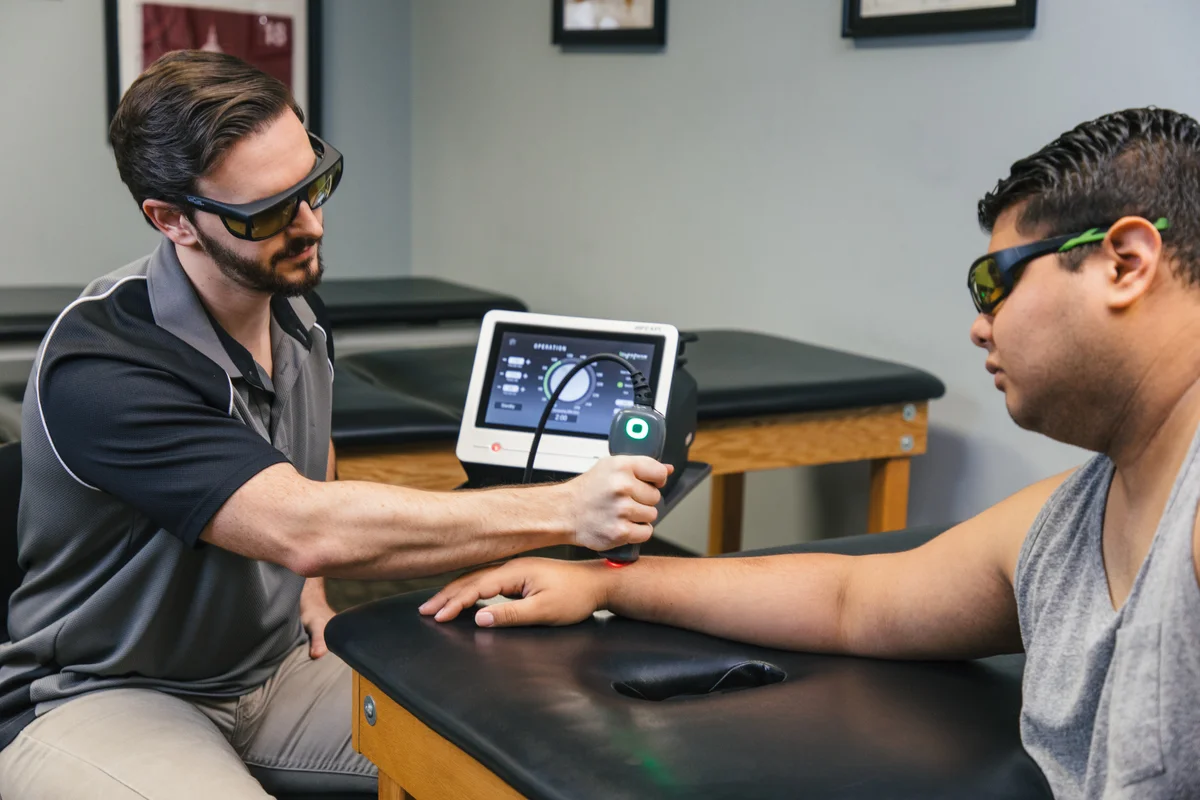
Prepare for your equipment discussion
Frequently asked questions
Which laser equipment categories should a PT clinic distinguish before requesting a demo?
Identify the exact therapy system and its labeled intended use before comparing proposals. Do not group low-level laser, Class IV therapy laser, and unrelated laser applications into one purchasing category. The LightForce XLi/XPi instructions describe professional-use equipment with topical-heating indications and specific safety controls. For a PT service line, have the clinical lead assess that documentation against the proposed patient population. Neither a broad laser label nor a safety classification establishes the outcomes your clinic will achieve. [1]
What should a PT clinic include in its laser equipment quote request?
Describe the proposed treatment spaces, intended operators, patient workflow, and the configuration your team wants demonstrated. Request an itemized list of the device, delivery system, treatment heads, eyewear, onboarding, and current support terms. The XLi/XPi manual documents components and operating requirements, not the contents or price of your purchase package. Ask the representative to separate included items from optional purchases so the clinical and purchasing teams can assess the same proposal. [1]
What laser-related risks should a PT team account for before adding the equipment?
Assess how staff will control eye exposure, skin heating, reflective objects, and patient feedback in the proposed PT setting. The XLi/XPi manual warns of serious eye injury and burns and requires eyewear within the controlled treatment area. It also addresses patients with limited sensation or difficulty reporting increased temperature. Include those precautions in the implementation review and staff training. A busy rehabilitation environment does not remove the device's operating requirements or justify describing treatment as risk-free. [1]
How should a PT clinic plan appointments when laser treatment frequency varies by patient?
Plan capacity around clinician-directed care rather than a fixed laser package for every patient. Have the PT team account for assessment, reassessment, the chosen application, and the other interventions within each visit. The XLi/XPi manual describes parameter selection based on patient characteristics and condition. Keep visit frequency separate from equipment application time when reviewing schedules. A protocol from one study or another clinic is not a universal timetable for your proposed service. [1]
Which device parameters should PT staff review during a laser equipment demo?
Ask the intended operators to review how the proposed system selects, displays, and confirms its treatment parameters. The XLi/XPi manual describes adjustable output power, treatment time, and pulse rate, alongside built-in protocols based on patient characteristics. Evaluate whether trained staff can identify the selected settings and follow the emission sequence using the applicable instructions. Do not adopt another manufacturer's minimum-power preference or treat a specification as evidence of better PT outcomes. [1]
How should a PT clinic evaluate whether laser evidence applies to its patients and proposed device?
Match the study's device, intervention, patient population, comparator, and measured outcome to the clinical question your PT team is evaluating. Review that evidence separately from the proposed system's labeling. The XLi/XPi manual describes specified temporary indications; it does not establish every condition or outcome discussed in laser research. Have the clinical lead assess applicability and limitations before making a service-line decision. Evidence from a different laser category must not be presented as proof for the quoted device. [1]
Which screening requirements should a PT clinic establish before introducing laser equipment?
Assign qualified clinicians to review the exact device's contraindications and warnings before it enters the PT workflow. The XLi/XPi manual identifies restrictions involving specified treatment areas during pregnancy, children's epiphyseal lines, pacemakers, certain glands, and heat- or light-sensitive drug contraindications. It also specifies professional use by licensed practitioners. Review the complete instructions and applicable professional scope; these examples do not determine an individual patient's eligibility or authorize an unqualified staff member to treat. [1]
What should a PT team test about laser application time within an existing appointment?
Run through the proposed visit sequence with the treating staff, including positioning, eyewear, parameter confirmation, application, cleaning, and handoff to the next intervention. The XLi/XPi manual addresses treatment controls, patient feedback, and cleaning of contact heads between treatments. Record the total workflow your team observes, not only the time shown on the screen. Use that observation for planning while leaving individual application parameters and care sequencing to the qualified clinician. [1]
Which treatment-head and handling needs should PT staff bring to a laser demo?
Bring the positioning and handling tasks your PT team expects to perform, then evaluate the compatible heads supplied with the proposed configuration. The XLi/XPi manual describes interchangeable treatment heads and precautions for movement, cleaning, and the controlled treatment area. Ask staff to assess access to the patient, cable routing, head changes, and room turnover using those instructions. A portable console does not make every treatment bay ready for laser use, and another brand's probe selection does not establish LightForce compatibility. [1]
What staff training and post-installation support should a PT clinic confirm before purchase?
Name the intended operators, the laser safety lead, and the person responsible for reporting equipment faults before requesting the training scope. The XLi/XPi manual requires basic safety orientation and proficiency training and directs malfunction reports to Customer Care. Ask how onboarding and replacement-staff training are documented, and obtain current service responsibilities in writing. This is an implementation checklist, not a promise that training, marketing assistance, loaners, or a particular response time are included. [1]
References
1. LiteCure. LightForce XLi/XPi User Manual. Sections 1-3, 4.3, 5, and 10. Applicable-device safety, professional use, parameter selection, handling, cleaning, and support. Confirm the instructions for the proposed configuration.
Individual results may vary. Neither DJO Global, Inc. nor any of its subsidiaries dispense medical advice. The contents of this website do not constitute medical, legal, or any other type of professional advice. Rather, please consult your healthcare professional for information on the courses of treatment, if any, which may be appropriate for you.
Which documentation should guide the purchase?
Review the current US instructions for the exact equipment configuration before approving clinical use, accessories, room controls, or staff training. Manufacturer documentation supports product facts; clinical research addresses its stated study population and methods. A study does not extend a device indication. [1]