Equipment
Class IV laser systems
Compare professional laser therapy equipment against your Dallas clinic's workflow and purchasing requirements.


Dallas clinics evaluating Class IV laser therapy equipment can use Chattanooga Rehab to compare LightForce systems, workflow fit, and implementation support. Chattanooga Rehab is a rehabilitation equipment manufacturer serving professional clinics with LightForce laser and Intelect shockwave systems.
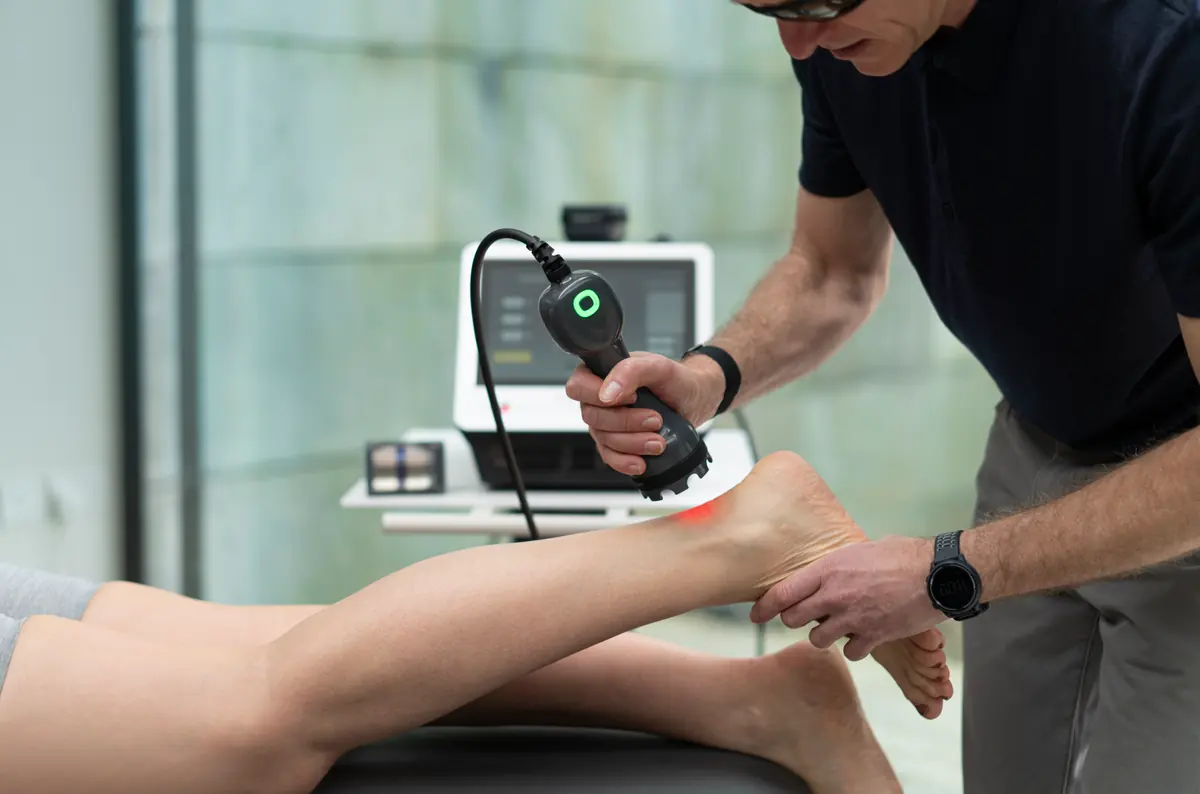
Laser equipment selection should account for patient population, treatment room setup, training, model fit, and support needs.
Compare professional laser therapy equipment against your Dallas clinic's workflow and purchasing requirements.
Compare workflow, staff adoption, room setup, and support needs before requesting a quote.
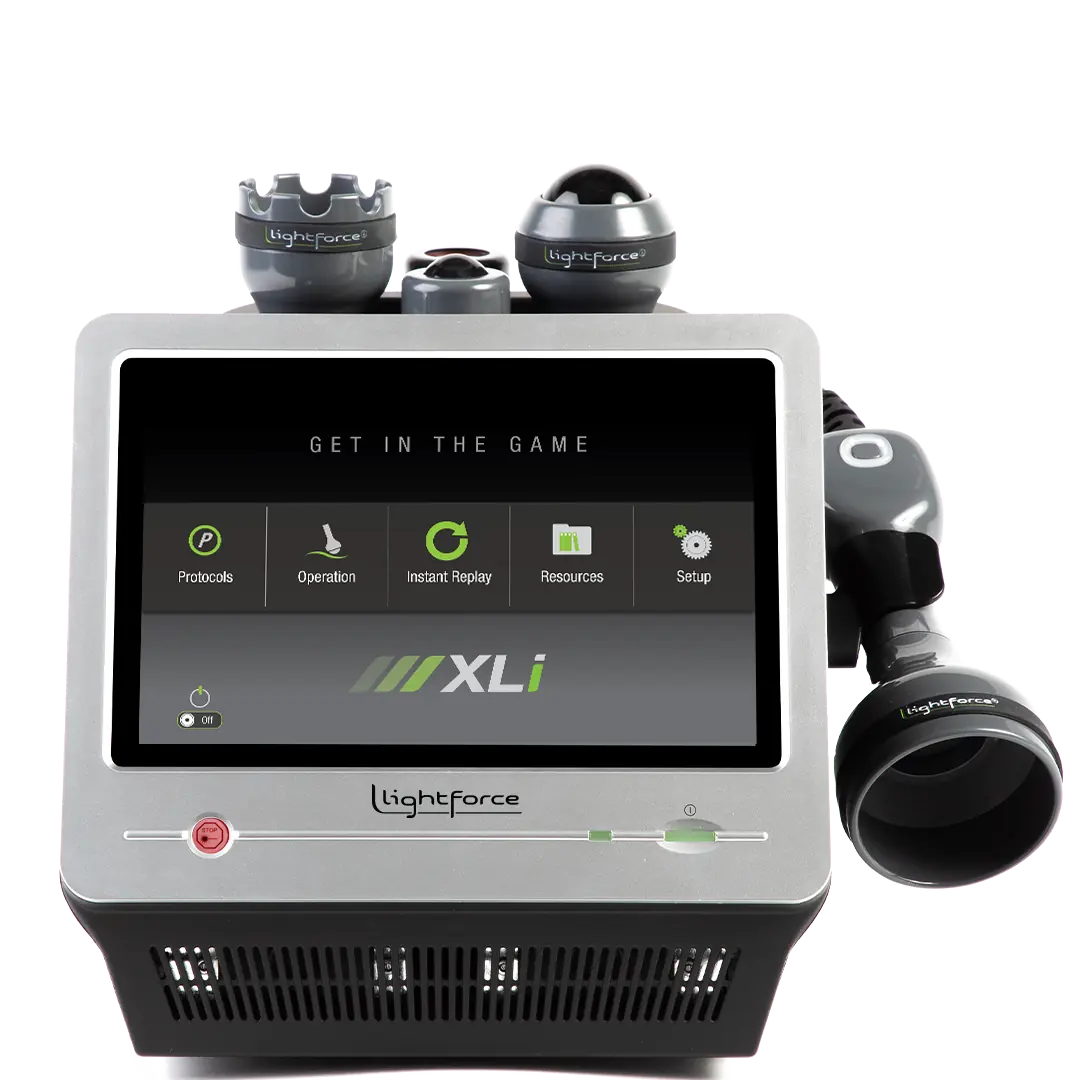
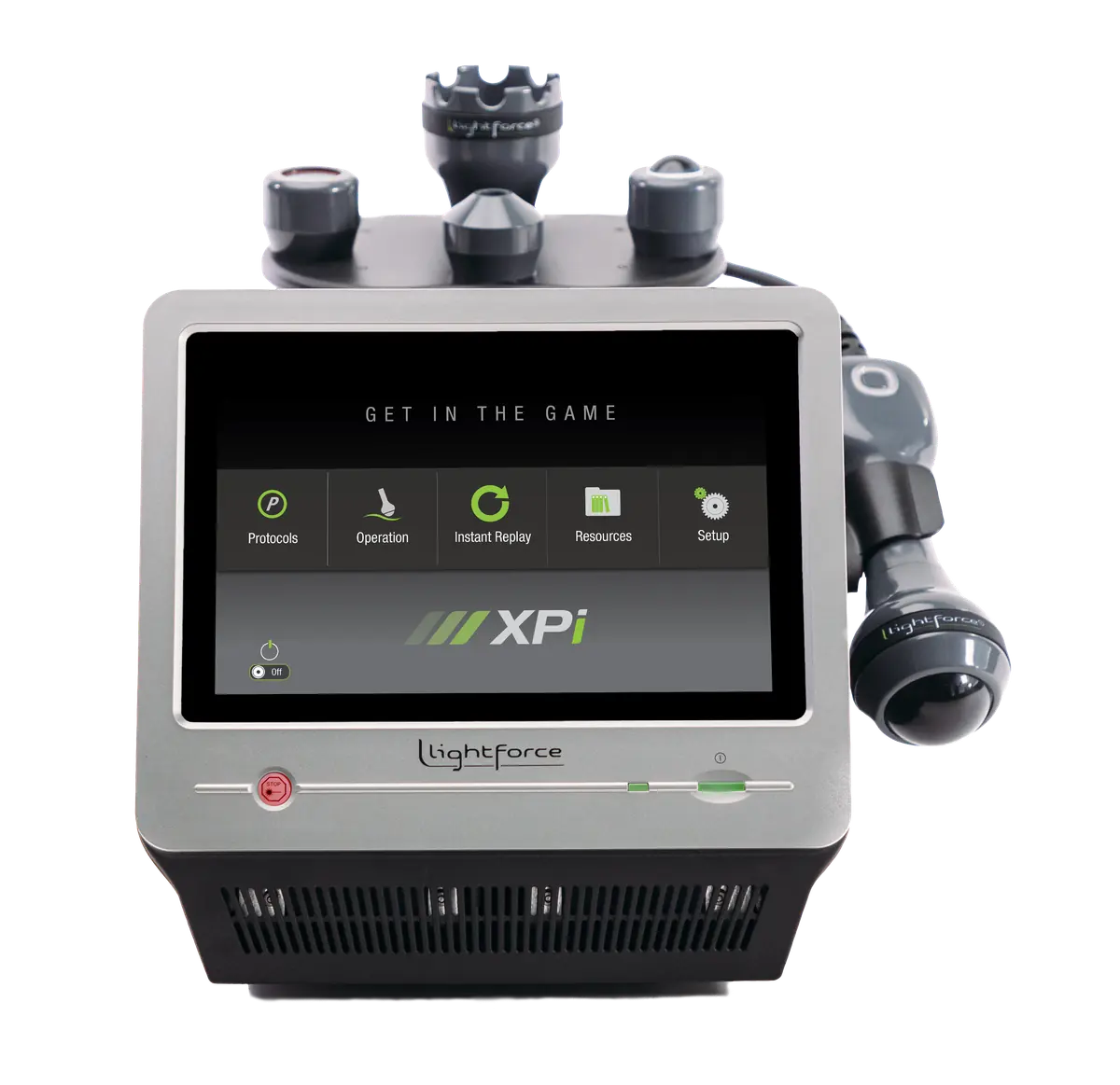
Compare current XLi, XPi, and FXi documentation before choosing a configuration.
These questions are written for clinics, rehab directors, chiropractors, sports medicine teams, and purchasing groups evaluating equipment, pricing, training, service, and implementation.
Evaluate model fit, output range, treatment heads, user interface, safety workflow, training, warranty, service coverage, and whether the system fits daily clinic volume.
Pricing depends on model, configuration, included accessories, training, service coverage, warranty terms, and purchase structure. A quote should follow the equipment-fit discussion.
Ask whether the quote includes the device, treatment heads, cart or accessories, onboarding, safety materials, warranty details, service expectations, and follow-up support.
That depends on room layout, patient flow, staff movement, daily treatment volume, and whether the device needs to move between treatment areas.
Ask who will use it, where it will live, how staff will be trained, how it fits current care plans, and how support works after installation.
Yes, if the buying decision accounts for room setup, staff training, patient flow, indication-aligned use, and support after purchase.
Training should cover setup, safety workflow, device controls, treatment-head selection, documentation expectations, and consistent handoff between staff members.
Ask how support is requested, who handles service, what the warranty covers, how downtime is managed, and what documentation comes with the equipment.
Yes. Compare professional support, product documentation, workflow fit, training resources, service path, accessories, and quote clarity.
Talk with Chattanooga Rehab about clinic type, use case, treatment volume, space, staff training, configuration, and quote options.
1. Chattanooga. Class IV laser therapy devices: indications, safety, training, and equipment selection. Laser device indications, operating context, and training questions.
Review the current US instructions for the exact equipment configuration before approving clinical use, accessories, room controls, or staff training. Manufacturer documentation supports product facts; clinical research addresses its stated study population and methods. A study does not extend a device indication. [1]