LightForce laser equipment
Compare professional laser therapy equipment by model fit, clinical workflow, and implementation planning.


Phoenix clinics evaluating advanced rehabilitation equipment can compare LightForce laser systems, focused shockwave, and radial pressure wave options with Chattanooga Rehab. Chattanooga Rehab is a rehabilitation equipment manufacturer serving professional clinics with LightForce laser and Intelect shockwave systems.
For Phoenix-area clinic owners, clinical leads, and equipment purchasing teams.
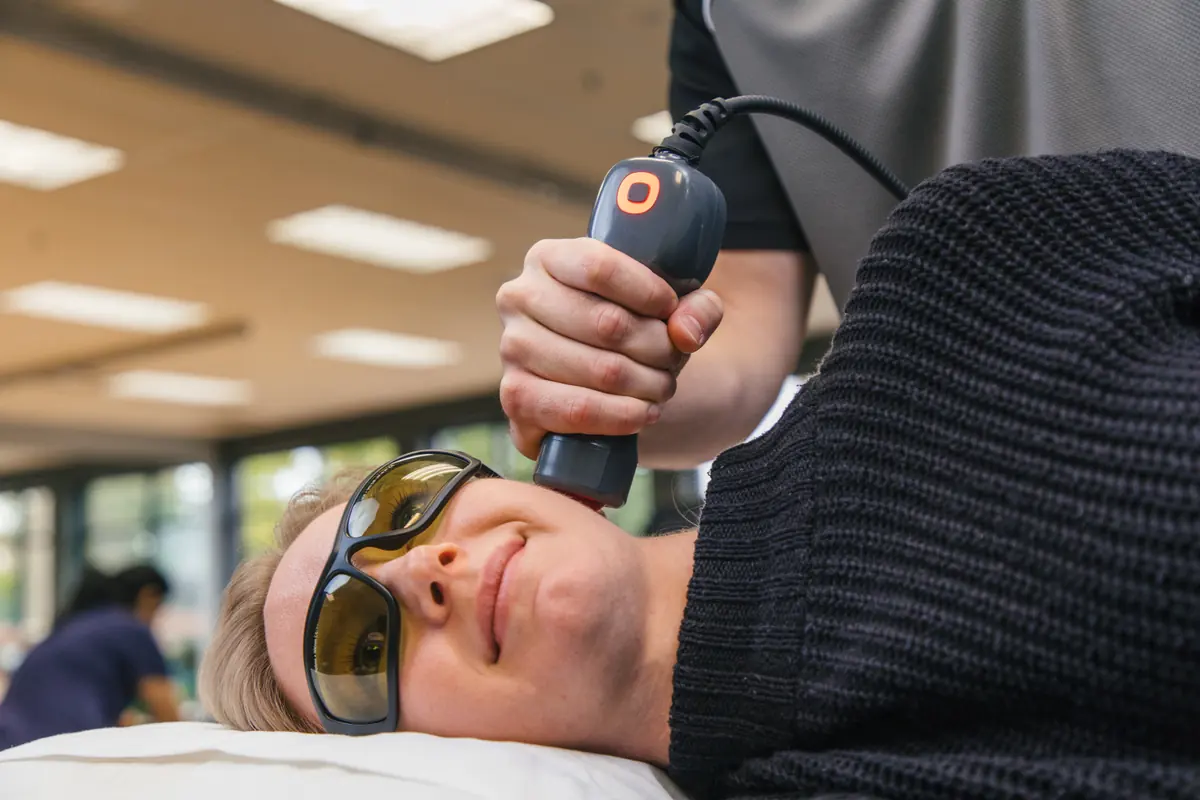
For your Phoenix clinic, review the proposed clinical role, current device documentation, treatment spaces, operator instruction, and complete purchasing scope.
Compare professional laser therapy equipment by model fit, clinical workflow, and implementation planning.
Review focused shockwave and radial pressure wave categories before evaluating product options.
Choose the laser or shockwave guide that matches the equipment your clinic is considering.
Use this path when the clinic is evaluating LightForce laser equipment, room workflow, staff training, and quote scope.
Use this path when the clinic is comparing focused shockwave, radial pressure wave, accessories, and implementation planning.
Compare laser and shockwave configuration requirements with the clinical and purchasing teams at your Phoenix practice.
These questions are written for clinics, rehab directors, chiropractors, sports medicine teams, and purchasing groups evaluating equipment, pricing, training, service, and implementation.
Use the location page to start an equipment-fit conversation about modality, clinic type, room setup, training, support, and quote timing.
Yes. The page is for clinic buyers and purchasing teams in the market who need equipment guidance, quote planning, training, and support conversations.
Ask which modality fits the clinic, what configuration is needed, how training works, what support is available, and what affects the quote.
Yes. A combined planning conversation can help the clinic compare modality fit, workflow, room setup, training, service, and purchasing timeline.
Bring clinic type, provider count, intended use, room setup, modality interest, budget range if available, training needs, and purchase timeline.
A multi-location discussion should map each site’s workflow, staff count, training needs, equipment allocation, service expectations, and purchasing schedule.
Start with the city hub if market context matters. Start with laser or shockwave pages if the modality decision is already clear.
Ask what happens before delivery, how staff are trained, who the support contact is, and what documentation or follow-up resources are available.
Compare product documentation, training, warranty, service path, support responsiveness, accessory availability, and manufacturer-backed guidance.
Chattanooga Rehab can help clarify modality fit, configuration, training, service, warranty, quote variables, and timing for the clinic.
1. Chattanooga. Class IV laser therapy devices: indications, safety, training, and equipment selection. Laser device indications, operating context, and training questions.
2. Chattanooga. Shockwave therapy devices: US indications and device categories. The US indication statement and distinction between focused shockwave and radial pressure wave.
3. Chattanooga. Intelect RPW 2: US product documentation and instructions. RPW device and accessory documentation. Confirm the current instructions for the quoted model.
4. Chattanooga. Intelect Focus Shockwave: US product documentation and instructions. Focused-system documentation and compatible accessories. These are separate from RPW accessories.
Review the current US instructions for the exact equipment configuration before approving clinical use, accessories, room controls, or staff training. Manufacturer documentation supports product facts; clinical research addresses its stated study population and methods. A study does not extend a device indication. [1]
Intelect Focus Shockwave has a US indication for heel pain due to chronic proximal plantar fasciitis in adults with failed alternative conservative therapies for at least six months. Review radial pressure wave labeling independently; do not transfer a condition claim between systems. [2]