Indication fit
Keep clinical language tied to current device labeling and clinician-directed patient selection.


Clinics comparing focused shockwave and radial pressure wave should start with the current indication for each device, then compare operator workflow, accessories, room use, training, and ownership scope. The technologies should be assessed independently before a practice chooses one system or considers both. Chattanooga Rehab is a rehabilitation equipment manufacturer serving professional clinics with LightForce laser and Intelect shockwave systems.
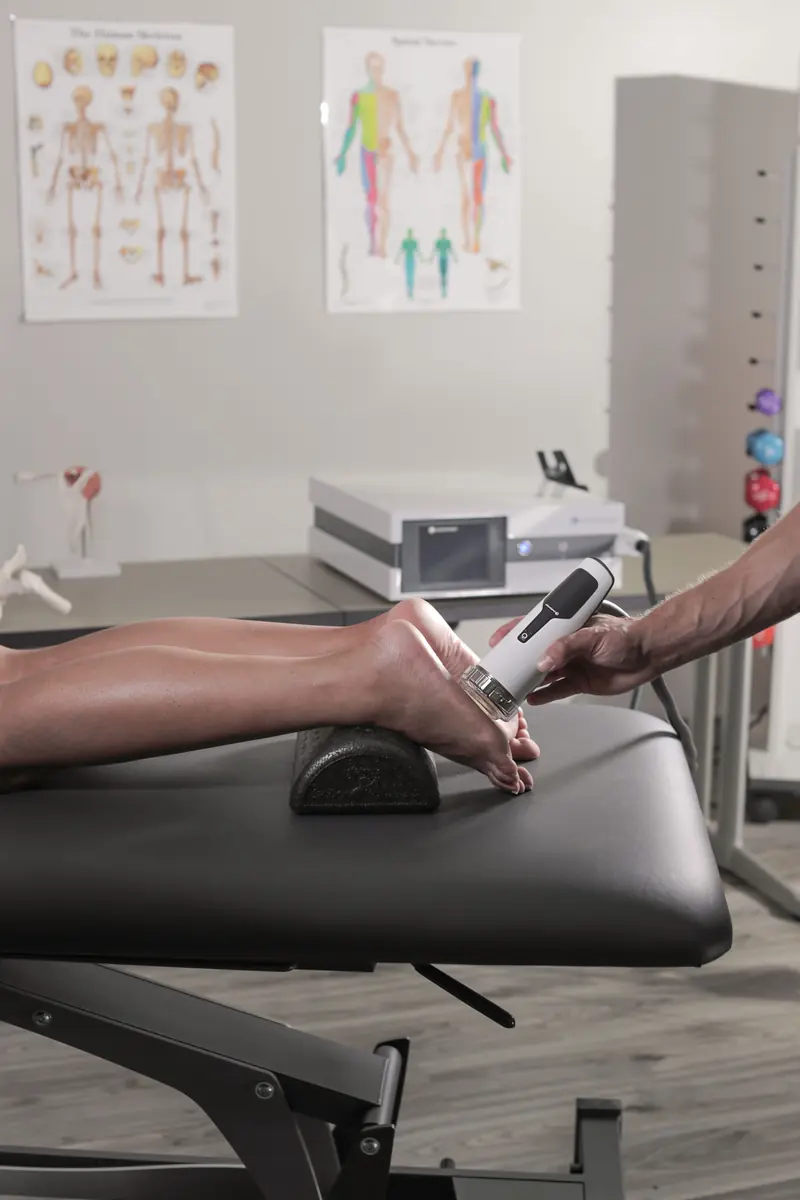
Keep clinical language tied to current device labeling and clinician-directed patient selection.
Compare how the device fits room setup, patient flow, staffing, and documentation.
Confirm included equipment, accessories, training, support, service, and delivery assumptions.
A broad shockwave search can include focused systems, radial systems, studies, and applications that do not share the same labeling. Ask the clinical lead to identify the proposed role of each actual device before procurement compares price. Chattanooga US documentation gives Intelect Focus Shockwave a specific chronic proximal plantar-fasciitis indication. That indication should not be extended to other conditions by borrowing a research finding. [1]
Request the current instructions for both systems and record the differences that matter to the clinic. Keep permitted use, contraindication review, and operator instruction separate from purchasing convenience. A practice may have an equipment interest in both categories, but that is not sufficient evidence that both configurations belong in its approved service workflow.
Use the same room, staff roles, and evaluation checklist when practical. Ask each representative to demonstrate setup, control access, accessory handling, storage, care, and movement through the clinic. Record observations using the quoted configuration. If one demonstration includes optional accessories and the other does not, identify that difference before treating the two proposals as equivalent.
Include likely operators, the clinical lead, and the purchasing decision-maker. The demonstration should answer whether staff understand the operating documents and how questions will be resolved after installation. Avoid a comparison based only on a feature presentation or a claimed treatment speed. The clinic needs to assess a documented workflow it can implement.
Review device labeling before comparing quotes. Demonstrate each proposed configuration.
Itemize the focused-system handpiece and compatible stand-offs separately from the radial system handpiece and transmitters. Ask about included parts, optional items, documented care, replacement ordering, and accessory coverage. The official US product documentation provides the starting point for model-specific questions, but the written quote must identify the package being purchased. [2] [3]
Compare staff instruction, delivery assumptions, service contacts, warranty terms, shipping responsibilities, and known replacement expenses. Mark unanswered questions as open rather than assuming the same terms apply to both devices. If the practice considers a combined purchase, show separate equipment and support scopes so the financial team can review each commitment.
The team is ready for a documented decision when the clinical role, configuration, training, room requirements, and written ownership terms have been reviewed. Record which proposed system meets the actual requirements and which questions remain. Do not use an equipment-class comparison as a claim that one device provides superior outcomes for every patient population.
Bring the unresolved questions to a shockwave demo discussion and request written follow-up. If the practice chooses one category, retain the reasoning with the purchase records. If it considers both, assign an implementation owner for each system. That makes the decision about the clinic workflow and the current documentation rather than a generic preference for focused or radial technology.
| Review area | Information to confirm |
|---|---|
| Clinical scope | Review the current labeling independently for each device |
| Accessories | Focused stand-offs versus model-specific RPW transmitters |
| Demonstration | Same room and checklist; identify optional configuration differences |
| Ownership | Separate training, coverage, service, and replacement assumptions |
Start with each exact device and its current labeling. Then compare configuration, staff workflow, training, accessory requirements, and ownership terms.
Use the same room assumptions and purchasing checklist for each system. Record differences in setup, handling, controls, and documented care.
Request separate device configurations, accessories, training, warranty, and support scopes before reviewing a combined total.
Review the shockwave pre-purchase checklist to prepare the questions that remain after comparing focused and radial systems.
Questions for clinics evaluating equipment fit, training, support, service, safety, and purchase timing.
Request the serial number, model, ownership record, service history, included accessories, software details, and current operating documentation. Ask the manufacturer or authorized support contact whether the system can be serviced. Do not treat a working display or brief seller video as a full condition assessment.
Obtain written confirmation for the specific serial number and sale. Ask about transfer conditions, proof of purchase, coverage dates, and accessory exclusions. Do not assume the original warranty transfers because the seller describes the equipment as lightly used.
Compare the full package: equipment condition, accessories, documentation, training, service access, warranty, shipping, and inspection. Identify missing items and obtain replacement prices before deciding. A lower listed purchase price is not enough to establish a lower total ownership cost.
Ask an authorized service contact which checks are appropriate for the model and who can perform them. Request a written assessment where available. Include accessory condition and documented maintenance history, then make purchase acceptance conditional on the agreed inspection rather than a general seller assurance.
Ask the manufacturer or authorized representative about training options for the actual system and ownership arrangement. Clarify availability, format, cost, and the documentation staff will receive. Used equipment should not be put into service simply because one staff member operated a similar model elsewhere.
Identify missing accessories, compatible protective equipment, inspection, freight, repairs, software or support requirements, and training. Ask for current prices before purchase. Keep these costs separate from the seller price so procurement can compare the used system with a complete new-equipment quote.
Ask the representative to itemize the shockwave equipment configuration and the parts or services needed for this project. Record included quantities, optional purchases, training, delivery assumptions, and written support terms. Have the purchasing and clinical leads compare that scope with the specific requirements above before approval.
Request current instructions for the exact model, accessory compatibility information, the accepted quote, and the applicable warranty or contract terms. Record the document version and market. Use these records to resolve unanswered questions rather than relying on an older brochure or a general sales statement.
Have the clinical lead approve device fit and operation, the administrator approve staffing and room readiness, and the purchasing lead approve the written cost and contract scope. Include a safety or facility reviewer where needed. Keep each approval tied to the proposed configuration.
Separate the equipment purchase from accessories, staff time, training, shipping, inspection, maintenance, and service. Request current prices for applicable items and identify unknown costs. Review these assumptions with the financial lead without turning an estimate into a guaranteed annual expense or return.
Use the current operating instructions to review setup, device controls, accessory identification, care, and issue reporting. Record completed instruction and questions requiring follow-up. The clinical lead should decide when operators are ready under the facility policy rather than assuming attendance at a sales demo is sufficient.
Use the demo link on this page and provide the clinic type, room plan, operators, purchase timeline, and this topic's unresolved questions. Ask for a demonstration of the proposed shockwave equipment configuration and written follow-up on quote scope, training, and service.
1. Chattanooga. Shockwave therapy devices: US indications and device categories. The US indication statement and distinction between focused shockwave and radial pressure wave.
2. Chattanooga. Intelect RPW 2: US product documentation and instructions. RPW device and accessory documentation. Confirm the current instructions for the quoted model.
3. Chattanooga. Intelect Focus Shockwave: US product documentation and instructions. Focused-system documentation and compatible accessories. These are separate from RPW accessories.
Individual results may vary. Neither DJO Global, Inc. nor any of its subsidiaries dispense medical advice. The contents of this website do not constitute medical, legal, or any other type of professional advice. Information related to various health, medical, and fitness conditions and their treatment is not meant to be a substitute for the advice provided by a physician or other medical professional.
Review the current US instructions for the exact equipment configuration before approving clinical use, accessories, room controls, or staff training. Manufacturer documentation supports product facts; clinical research addresses its stated study population and methods. A study does not extend a device indication. [1]
Intelect Focus Shockwave has a US indication for heel pain due to chronic proximal plantar fasciitis in adults with failed alternative conservative therapies for at least six months. Review radial pressure wave labeling independently; do not transfer a condition claim between systems. [1]