Coverage scope
Ask what coverage includes, what it excludes, and what documentation is needed.


Laser therapy equipment warranty review should identify the covered model and components, coverage dates, exclusions, claim process, and transport responsibilities. Request the current written terms with your quote, then use the laser demo to resolve any configuration or support questions before approving the purchase. Chattanooga Rehab is a rehabilitation equipment manufacturer serving professional clinics with LightForce laser and Intelect shockwave systems.
Ask what coverage includes, what it excludes, and what documentation is needed.
Ask who handles service requests, how support is reached, and what timeline assumptions apply.
Confirm whether training supports new staff and future workflow changes.
Ask for the warranty that applies to the exact laser model, purchase channel, and market. Keep it with the itemized quote rather than relying on a brochure summary. Official laser information can help identify the proposed system and its intended use, but it is not a substitute for the agreement governing this purchase. Do not transfer a term from a different model or an older advertisement. [1]
Give procurement a short document checklist: model identification, included accessories, warranty terms, operating instructions, and the support contact. Record the version or issue date of each document. If the representative describes an additional benefit, request the written provision that supports it. An unresolved coverage question belongs in the purchase review, not in a note staff discover after delivery.
Ask which event starts the warranty period and how the clinic documents it. Confirm whether delivery, installation, registration, or another stated event governs the dates. Do not supply a universal warranty duration for therapy lasers. The clinic needs the actual beginning and ending dates for its proposed purchase, including any separate conditions for a demonstration unit or previously owned system.
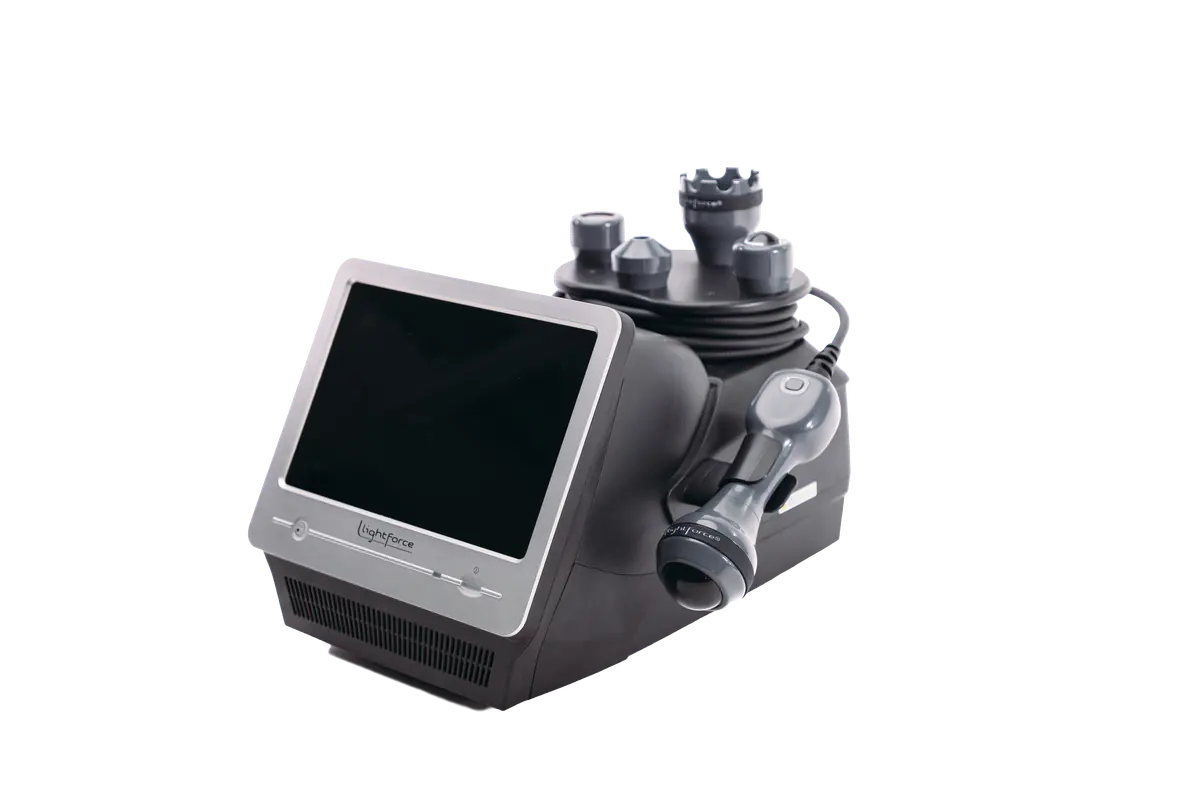
List the control unit, handpiece, cables, treatment heads, and other quoted accessories separately. Request confirmation of whether they share the main device coverage or have different terms. Identify any items excluded as consumables or wear items under the actual agreement. A photograph of a complete system does not establish that every pictured component is included in either the quote or the warranty.
Keep current warranty terms with the accepted quote. Confirm dates and component coverage separately.
Read the written requirements for operation, care, storage, maintenance, and authorized service. Assign a staff owner to retain the records the agreement requires. Ask the provider to explain any unclear condition before purchase. Warranty coverage and operator instruction address different questions; a covered device still requires staff to follow its current operating documentation.
Clarify who pays for inspection, diagnostics, shipping, packaging, and an excluded repair. Ask how the clinic authorizes additional charges and whether an estimate is supplied first. Do not assume that the word warranty removes transport expense or provides a replacement unit. Keep confirmed responsibilities in the purchasing record so the administrator can plan for an equipment interruption.
At delivery, compare the model, serial number, accessories, and documentation with the accepted quote. Record the acceptance date and any unresolved delivery issue. Retain purchase and installation records in one location with the service contact. If registration is required by the written terms, identify who completes it and how the clinic confirms completion.
For a later issue, use the provider's claim process and the troubleshooting steps authorized for staff. Keep a record of the reported problem, instructions received, shipment, and service outcome. Review laser service-contract questions separately rather than treating optional support as part of the original warranty. Bring the remaining coverage questions to a laser demonstration, then request the final terms in writing before purchase approval.
| Review area | Information to confirm |
|---|---|
| Document identity | Exact model, market, seller, applicable written terms |
| Coverage dates | Starting event, registration conditions, recorded end date |
| Component scope | Main unit, handpiece, treatment heads, accessory exclusions |
| Claim readiness | Purchase records, authorized contact, shipping and approval process |
Request separate written coverage for the control unit, handpiece, cables, and treatment heads. Do not assume all quoted accessories share the same terms.
Confirm the starting event in the actual agreement and record the date. Ask whether delivery, installation, or registration affects coverage.
Keep the accepted quote, purchase record, serial number, installation records, applicable warranty, and authorized service contact together.
Questions for clinics evaluating equipment fit, training, support, service, safety, and purchase timing.
Request the model-specific maintenance instructions and separate operator care, wear parts, scheduled service, and repairs. Ask for current prices where available. Estimate ownership costs from the proposed configuration and expected use rather than treating the purchase price as the complete cost.
Confirm the covered device and parts, coverage period, exclusions, start date, service procedure, and required records. Ask about handpieces and accessories separately. Use the warranty supplied with the quote rather than assuming that a different model or older brochure has identical terms.
Ask for the authorized service contact and how the clinic opens a request. Clarify what staff may inspect or maintain and what requires service personnel. Keep the serial number, purchase record, issue description, and support contacts accessible to the staff member responsible for equipment.
Ask how faults are assessed, how shipping or onsite support works, and whether a loaner arrangement is available. Obtain any promised response or turnaround time in writing. Build your own continuity plan because a support contact does not establish a guaranteed repair deadline.
Compare what each covers, when coverage begins, exclusions, repair charges, parts, shipping, and renewal terms. Ask whether the contract overlaps with the original warranty. Evaluate the written scope against the clinic downtime and budget needs rather than judging the contract by its name alone.
Keep the accepted quote, warranty, serial number, maintenance instructions, inspection logs, service invoices, and replacement-part orders together. Review actual costs and service interruptions periodically. That record supports future purchasing decisions without relying on a generic annual cost estimate.
Ask the representative to itemize the laser equipment configuration and the parts or services needed for this project. Record included quantities, optional purchases, training, delivery assumptions, and written support terms. Have the purchasing and clinical leads compare that scope with the specific requirements above before approval.
Request current instructions for the exact model, accessory compatibility information, the accepted quote, and the applicable warranty or contract terms. Record the document version and market. Use these records to resolve unanswered questions rather than relying on an older brochure or a general sales statement.
Have the clinical lead approve device fit and operation, the administrator approve staffing and room readiness, and the purchasing lead approve the written cost and contract scope. Include a safety or facility reviewer where needed. Keep each approval tied to the proposed configuration.
Separate the equipment purchase from accessories, staff time, training, shipping, inspection, maintenance, and service. Request current prices for applicable items and identify unknown costs. Review these assumptions with the financial lead without turning an estimate into a guaranteed annual expense or return.
Use the current operating instructions to review setup, device controls, accessory identification, care, and issue reporting. Record completed instruction and questions requiring follow-up. The clinical lead should decide when operators are ready under the facility policy rather than assuming attendance at a sales demo is sufficient.
Use the demo link on this page and provide the clinic type, room plan, operators, purchase timeline, and this topic's unresolved questions. Ask for a demonstration of the proposed laser equipment configuration and written follow-up on quote scope, training, and service.
1. Chattanooga. Class IV laser therapy devices: indications, safety, training, and equipment selection. Laser device indications, operating context, and training questions.
Individual results may vary. Neither DJO Global, Inc. nor any of its subsidiaries dispense medical advice. The contents of this website do not constitute medical, legal, or any other type of professional advice. Information related to various health, medical, and fitness conditions and their treatment is not meant to be a substitute for the advice provided by a physician or other medical professional.
Review the current US instructions for the exact equipment configuration before approving clinical use, accessories, room controls, or staff training. Manufacturer documentation supports product facts; clinical research addresses its stated study population and methods. A study does not extend a device indication. [1]