Standard equipment
Use consistent equipment decisions to reduce training and support variation.


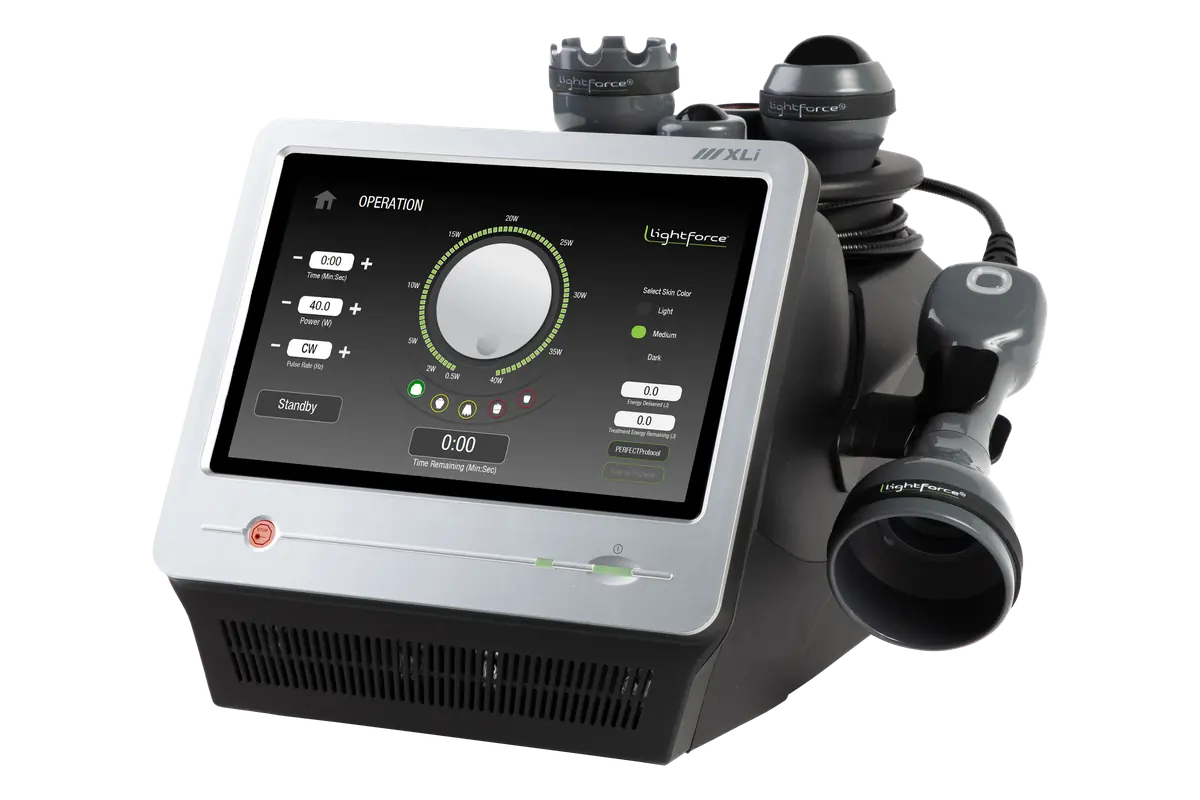
Multi-location rehab equipment standardization should define a shared purchasing specification while recording each site's room, staffing, and clinical requirements. Start with a site inventory, agree on the baseline configuration, and use a modality demo to resolve differences before ordering equipment for several offices. Chattanooga Rehab is a rehabilitation equipment manufacturer serving professional clinics with LightForce laser and Intelect shockwave systems.
Use consistent equipment decisions to reduce training and support variation.
Create repeatable onboarding expectations across locations.
Confirm a support path that works across the full group.
List the devices currently held at each office, including model, serial number, accessories, current documentation, service contacts, and ownership status. Record which staff operate them and where they are stored. Distinguish a device assigned to one clinic from a device that moves between sites. This inventory establishes the purchasing baseline without assuming that all offices have the same equipment or support arrangement.
Have each clinical lead identify the proposed role for any new system. Keep laser, focused shockwave, and radial pressure wave documentation separate. A shared equipment name does not establish identical labeling across devices. Review the current official product information and obtain the operating documents for the exact configuration being considered. Resolve clinical scope before discussing a group order. [1] [3] [4]
Create a baseline specifying model identification, compatible accessories, operating documents, instruction scope, record ownership, and authorized support contacts. Ask procurement to use that baseline when comparing proposals. Record the quote version and accepted quantities for each site rather than treating a total group price as a complete description of what every clinic will receive.
Review room access, equipment movement, storage, staffing, and clinical role at each location. An office may need a different accessory quantity or preparation task even when the group chooses the same model. Document the reason for an exception and who approves it. Standardization should make purchasing requirements explicit, not remove the local assessment that determines whether a configuration fits.
Inventory existing systems before defining the baseline. Record site-specific differences explicitly.
Use one evaluation checklist and invite operators from sites with different layouts or staffing patterns. Ask the representative to identify the configuration being shown and the differences from any quoted site package. Collect observations by location. If a room or accessory question cannot be represented in the initial demonstration, request follow-up before extending that decision to the whole group.
Request device-specific instruction for the actual operators at each clinic. Identify the initial attendees, local instruction-record owner, and process for later hires or staff transfers. Keep readiness records tied to the model and configuration. Experience at another office does not establish that a clinician has reviewed a different system, accessory package, or local room procedure.
Assign a local equipment-record owner and a group purchasing contact. Retain accepted quotes, serial numbers, warranties, instruction records, documented care, and service history by device. Ask the provider how coverage and service intake handle location changes or shared devices. Do not assume a support agreement follows equipment between offices without reviewing the written provisions.
Review early implementation questions across sites before approving additional systems. Separate room or training gaps from a request to change the baseline specification. Bring unresolved group requirements to the modality demonstration and request written configuration follow-up. Use the clinic implementation checklist to assign delivery, acceptance, room, instruction, and records tasks at each receiving office.
| Review area | Information to confirm |
|---|---|
| Group baseline | Exact model, documentation, compatible accessories, instruction and support scope |
| Local exception | Room constraints, clinical role, staffing, quantities, approval reason |
| Demonstration record | Shared checklist, site observations, configuration differences |
| Ongoing ownership | Local records owner, group contact, service and transfer provisions |
Compare actual clinical roles, rooms, and operators first. Record justified site exceptions rather than assuming one accessory package fits every office.
Record the exact model, current documentation, compatible accessories, instruction scope, service contacts, and approval responsibilities.
Confirm transport, location, coverage, and operator-instruction requirements before moving a device. Update its equipment record and receiving-site review.
Questions for clinics evaluating equipment fit, training, support, service, safety, and purchase timing.
Document the required configuration, accessories, operating instructions, training, and service contacts for each site. Identify differences in room layout and staffing before choosing one package. Standardization should address the actual workflows rather than assume identical equipment creates identical use.
Request device-specific operation, labeling review, accessory handling, care, issue reporting, and written training resources. Identify the initial operators and the person responsible for later staff onboarding. Confirm the training included in the quote and any separately arranged instruction.
Sequence purchasing approval, room preparation, accessory receipt, training, and acceptance. Assign an owner and completion evidence to each task. Confirm delivery assumptions with the representative so the team does not schedule use before the necessary setup and training are complete.
Retain the accepted quote, model and serial number, current instructions, accessory list, warranty terms, training record, and support contacts. Record any open questions before acceptance. Keep these documents accessible to both the clinical lead and the staff member who manages equipment service.
Ask what instruction is included, who may attend, where it takes place, and how future staff are trained. Account for staff time and any separate training expense. Obtain the scope in writing rather than assuming all future onboarding is included in the device price.
Review actual use, room access, staff confidence, operating questions, maintenance records, and support requests against the implementation plan. Have the clinical lead select any clinical evaluation measures. Use that information to address workflow gaps before purchasing additional systems.
Ask the representative to itemize the rehabilitation equipment configuration and the parts or services needed for this project. Record included quantities, optional purchases, training, delivery assumptions, and written support terms. Have the purchasing and clinical leads compare that scope with the specific requirements above before approval.
Request current instructions for the exact model, accessory compatibility information, the accepted quote, and the applicable warranty or contract terms. Record the document version and market. Use these records to resolve unanswered questions rather than relying on an older brochure or a general sales statement.
Have the clinical lead approve device fit and operation, the administrator approve staffing and room readiness, and the purchasing lead approve the written cost and contract scope. Include a safety or facility reviewer where needed. Keep each approval tied to the proposed configuration.
Separate the equipment purchase from accessories, staff time, training, shipping, inspection, maintenance, and service. Request current prices for applicable items and identify unknown costs. Review these assumptions with the financial lead without turning an estimate into a guaranteed annual expense or return.
Use the current operating instructions to review setup, device controls, accessory identification, care, and issue reporting. Record completed instruction and questions requiring follow-up. The clinical lead should decide when operators are ready under the facility policy rather than assuming attendance at a sales demo is sufficient.
Use the demo link on this page and provide the clinic type, room plan, operators, purchase timeline, and this topic's unresolved questions. Ask for a demonstration of the proposed rehabilitation equipment configuration and written follow-up on quote scope, training, and service.
1. Chattanooga. Class IV laser therapy devices: indications, safety, training, and equipment selection. Laser device indications, operating context, and training questions.
2. Chattanooga. Shockwave therapy devices: US indications and device categories. The US indication statement and distinction between focused shockwave and radial pressure wave.
3. Chattanooga. Intelect RPW 2: US product documentation and instructions. RPW device and accessory documentation. Confirm the current instructions for the quoted model.
4. Chattanooga. Intelect Focus Shockwave: US product documentation and instructions. Focused-system documentation and compatible accessories. These are separate from RPW accessories.
Individual results may vary. Neither DJO Global, Inc. nor any of its subsidiaries dispense medical advice. The contents of this website do not constitute medical, legal, or any other type of professional advice. Information related to various health, medical, and fitness conditions and their treatment is not meant to be a substitute for the advice provided by a physician or other medical professional.
Review the current US instructions for the exact equipment configuration before approving clinical use, accessories, room controls, or staff training. Manufacturer documentation supports product facts; clinical research addresses its stated study population and methods. A study does not extend a device indication. [1]
Intelect Focus Shockwave has a US indication for heel pain due to chronic proximal plantar fasciitis in adults with failed alternative conservative therapies for at least six months. Review radial pressure wave labeling independently; do not transfer a condition claim between systems. [2]