

Radial pressure wave transmitter questions for clinics
Compare radial pressure wave transmitters by the exact system, handpiece, compatible part identification, included quantities, and documented care requirements. Ask the representative to distinguish included components from options and explain replacement ordering before approving the equipment quote. Chattanooga Rehab is a rehabilitation equipment manufacturer serving professional clinics with LightForce laser and Intelect shockwave systems.
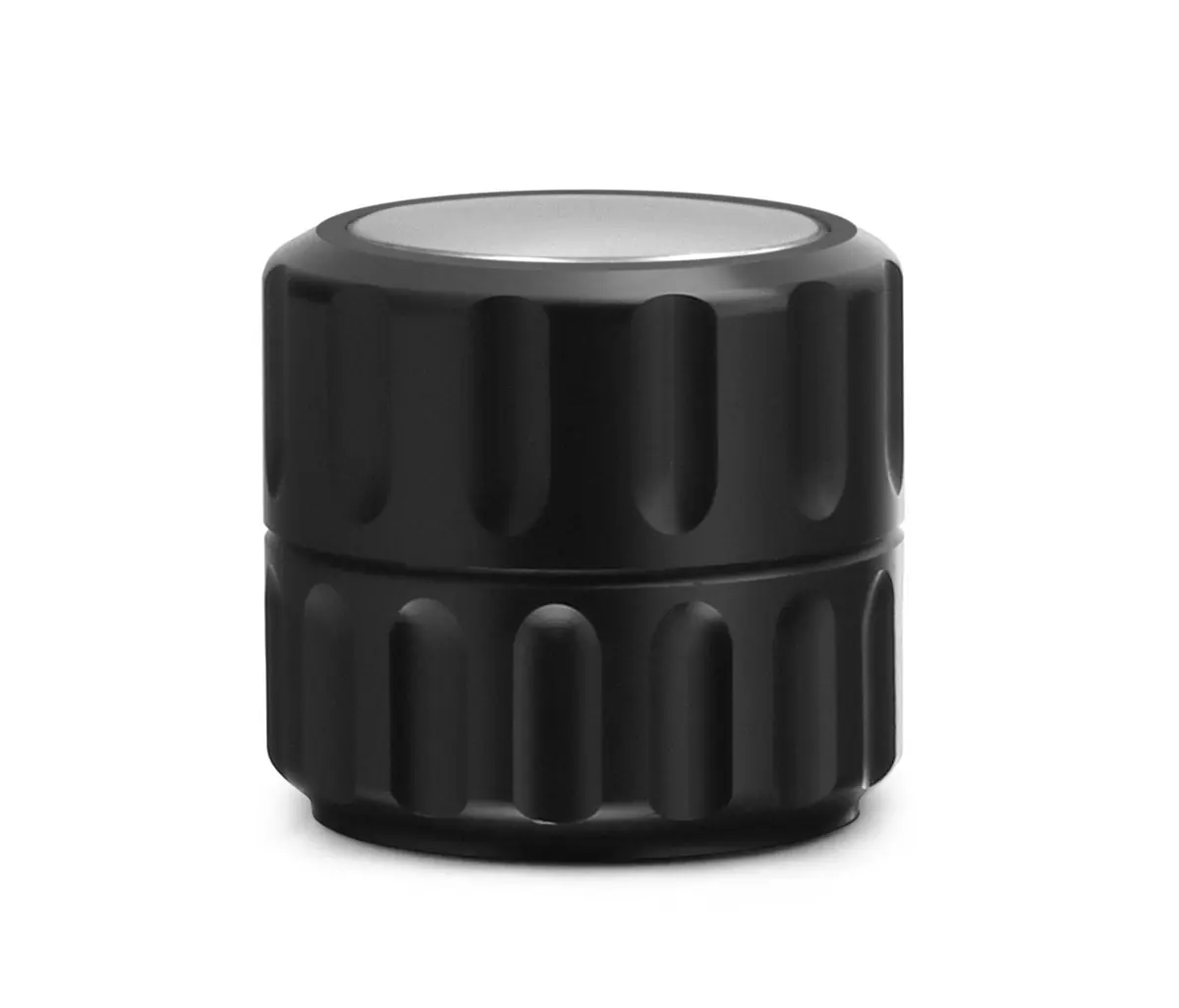
Transmitters are part of RPW ownership planning.
Clinics comparing radial pressure wave systems should ask what transmitter options are included, how replacements work, and how staff are trained to manage accessory workflow.
What should the transmitter package identify?
List each transmitter by its name, compatible system, part identification, and quantity. Ask the representative to show the quoted components during the demonstration and distinguish included items from optional purchases. A photograph alone does not establish compatibility or inclusion.
- Transmitter scope
Confirm what comes with the device and what is optional.
- Staff workflow
Ask how accessories are selected, changed, stored, and documented.
- Replacement path
Clarify support contacts and replacement ordering before buying.
Buyer FAQs
Short answers for clinics, rehab directors, chiropractors, sports medicine teams, and purchasing groups evaluating equipment.
What should clinics ask about radial pressure wave transmitters?
Ask which transmitters are included, what options are available, how staff are trained, and how replacement ordering works.
Do RPW transmitters affect the quote?
They can affect accessory scope and future ownership planning, so they should be discussed before purchase.
Are transmitters the same as focused shockwave stand-offs?
No. Keep radial pressure wave accessory questions separate from focused shockwave accessory questions.
What should be shown in an RPW demo?
Ask to see setup, transmitter workflow, user interface, sound and room workflow, staff handoff, and service expectations.
How should clinics plan transmitter replacement?
Ask about wear expectations, availability, ordering path, warranty implications, and support contacts.
Can transmitter needs vary by clinic?
Yes. Provider workflow, intended use, scheduling, room setup, and staff preference can affect accessory planning.
Should transmitter questions be part of procurement review?
Yes. Procurement should understand included accessories, replacement path, support, service, and total quote scope.
How do online RPW accessory listings compare with manufacturer-supported buying?
Buyers should confirm compatibility, documentation, service path, and warranty implications before relying on online listings.
What training should come with RPW equipment?
Training should cover setup, accessory handling, workflow, documentation expectations, and support handoff.
What is the next step after researching RPW transmitters?
Talk with Chattanooga Rehab about radial pressure wave fit, accessory scope, training, service, and quote timing.
References
1. Chattanooga. Shockwave therapy devices: US indications and device categories. The US indication statement and distinction between focused shockwave and radial pressure wave.
2. Chattanooga. Intelect RPW 2: US product documentation and instructions. RPW device and accessory documentation. Confirm the current instructions for the quoted model.
3. Chattanooga. Intelect Focus Shockwave: US product documentation and instructions. Focused-system documentation and compatible accessories. These are separate from RPW accessories.
Individual results may vary. Chattanooga Rehab content is for professional equipment planning and does not replace product labeling, clinician judgment, or medical advice.
Which documentation should guide the purchase?
Review the current US instructions for the exact equipment configuration before approving clinical use, accessories, room controls, or staff training. Manufacturer documentation supports product facts; clinical research addresses its stated study population and methods. A study does not extend a device indication. [1]
Intelect Focus Shockwave has a US indication for heel pain due to chronic proximal plantar fasciitis in adults with failed alternative conservative therapies for at least six months. Review radial pressure wave labeling independently; do not transfer a condition claim between systems. [1]