Before demo
Gather clinic type, patient mix, room setup, timeline, and approval path.


A rehab equipment demo checklist should connect the proposed device to your room, operators, clinical review, accessory needs, and purchasing requirements. Send those details before scheduling the demonstration, then record what was shown and which questions require written follow-up before approval. Chattanooga Rehab is a rehabilitation equipment manufacturer serving professional clinics with LightForce laser and Intelect shockwave systems.
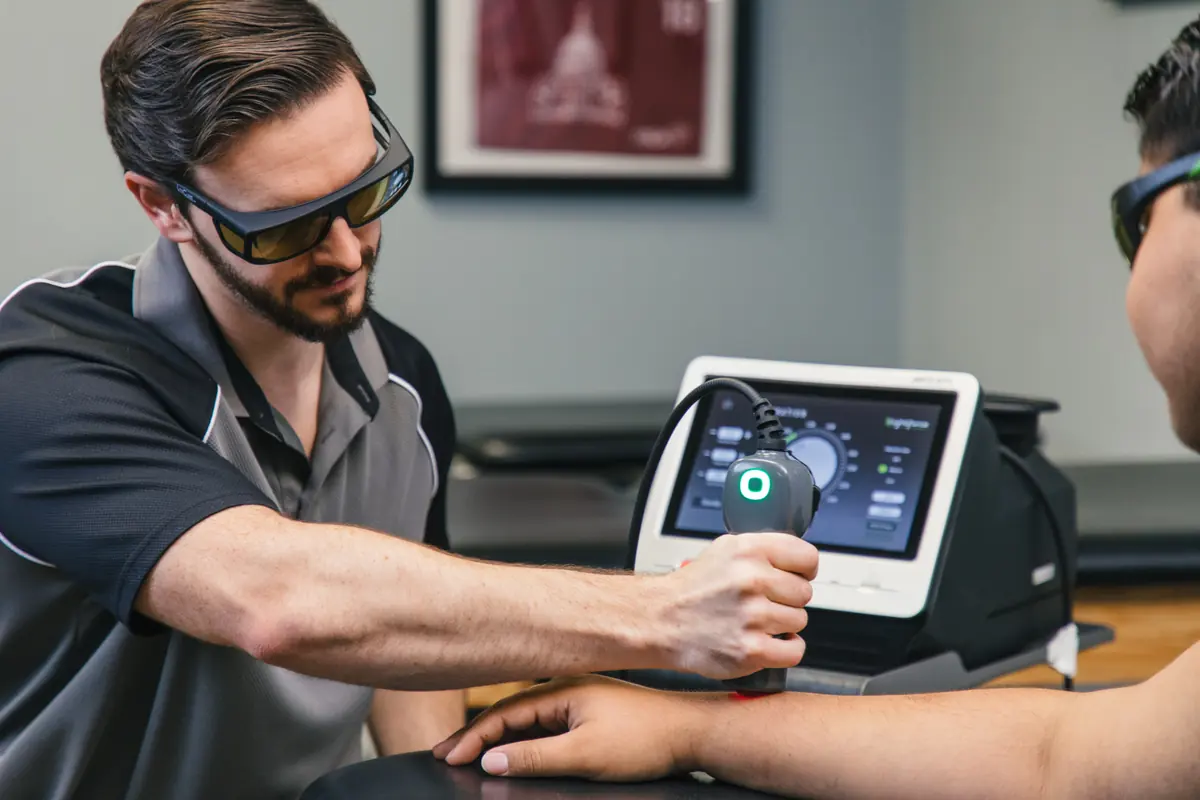
Gather clinic type, patient mix, room setup, timeline, and approval path.
Ask to see setup, user workflow, accessory handling, and support expectations.
Review quote scope, financing, training, warranty, service, and internal approval needs.
Provide a room layout, treatment-table position, storage locations, entrances, and any planned movement between rooms. Identify the staff who would operate the device and the administrator responsible for implementation. Describe the workflow the team wants to assess, not just the modality name. This gives the representative concrete constraints to address during the demonstration.
Ask for the exact model and current operating documentation in advance. For laser, focused shockwave, and radial pressure wave equipment, keep the labeling review specific to the proposed system. A paper or presentation about a modality does not establish identical indications across devices. Have the clinical lead review the official product information before preparing patient-selection questions. [1] [3] [4]
Ask the representative to show setup, control access, accessory identification, documented fitting procedures, and storage with the configuration being quoted. Include the staff who prepare the room rather than limiting attendance to the owner. Record where the proposed placement affects access or movement. If another configuration is shown, identify the difference before treating it as part of the purchase.
Review the current instructions during demonstrations of care, inspection, and issue reporting. Ask which tasks staff may perform and which require authorized service. Keep notes on what was demonstrated and what remains unresolved. Do not substitute an informal sales demonstration for the facility process that documents operator instruction and readiness.
Send the clinic requirements before scheduling. Have intended operators evaluate the quoted configuration.
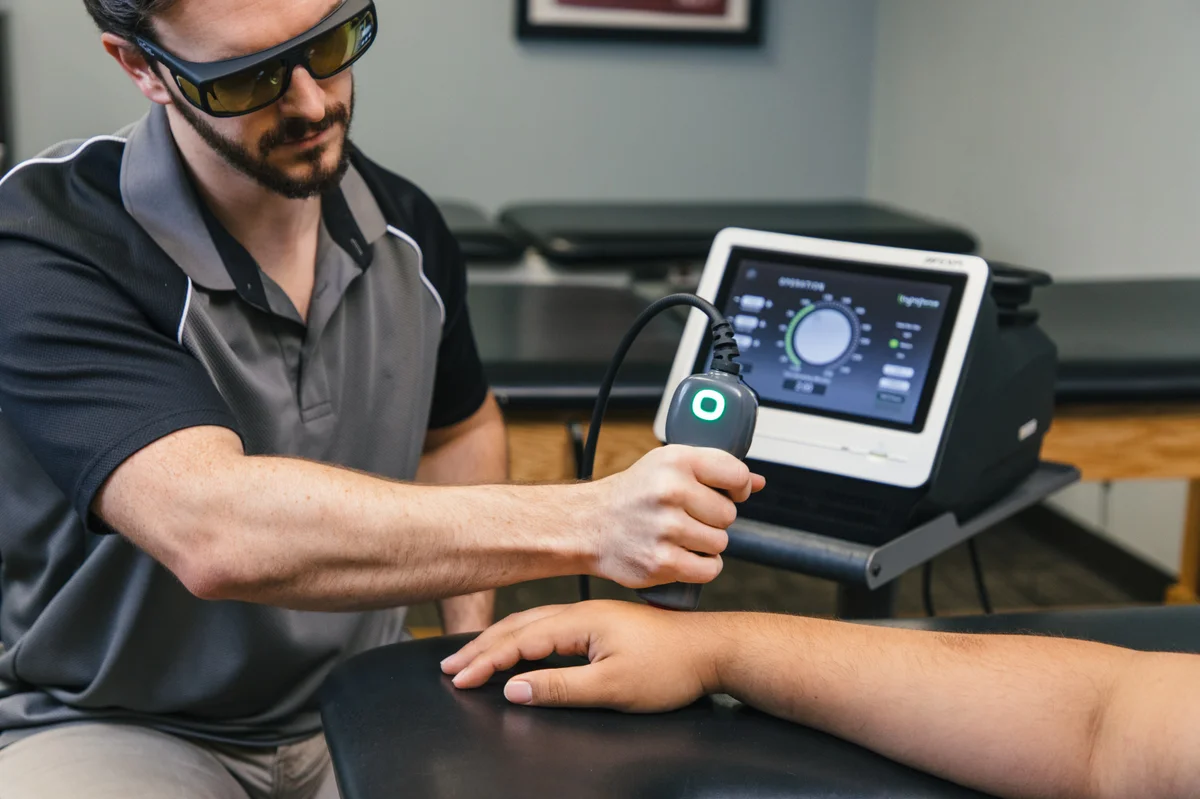
Use the same room assumptions and evaluation list when comparing proposals. Identify each model, handpiece, compatible accessories, required instruction, and written support scope separately. Keep focused-system accessories distinct from RPW items. The purpose is to compare the configurations the clinic would actually receive, not to infer clinical superiority from a longer feature list. [3] [4]
Give each attendee a decision area: clinical role, operator handling, room readiness, purchase scope, or ownership terms. Collect observations before discussing approval. Mark unsupported answers as open questions, not as a pass. If the demo does not represent the intended room or accessory package, request a follow-up rather than assuming the difference has no implementation effect.
Request an itemized quote matching the demonstrated model and accessories. Confirm training scope, delivery assumptions, warranty terms, authorized service contacts, and applicable replacement ordering information. Ask the provider to identify optional items separately. If financing or a service agreement is discussed, obtain those documents for their own review instead of relying on a verbal summary.
Assign an owner and due date to each unresolved question. Retain the configuration record, observations, accepted quote, and the clinical team's decision together. Schedule the relevant modality demonstration to address the remaining questions, then prepare delivery and instruction tasks after purchasing approval. Use the therapy equipment quote checklist to check whether the final offer includes what your team evaluated.
| Review area | Information to confirm |
|---|---|
| Before the demo | Room layout, operators, workflow, current documentation |
| During the demo | Exact configuration, handling observations, open questions |
| Proposal comparison | Same requirements, separate device and accessory records |
| After the demo | Written answers, complete quote, approval and implementation owners |
Include an intended operator, clinical lead, administrator, and purchasing decision-maker. Add facilities or safety reviewers when room controls require their input.
Record the exact configuration, observed workflow, included accessories, training questions, and unresolved items. Separate demonstrated facts from statements needing written confirmation.
Compare the written quote with the demonstrated configuration and resolve clinical, room, operator, warranty, and service requirements.
Questions for clinics evaluating equipment fit, training, support, service, safety, and purchase timing.
Bring the clinic room plan, staff roles, intended service workflow, budget range, decision timeline, and questions about current device labeling. Identify who approves clinical fit and who approves spending. Ask for a demonstration built around that workflow so the team can evaluate the same configuration.
Ask staff to evaluate setup, control access, accessory changes, cleaning, storage, and movement between rooms under supervision. Record questions that cannot be answered during the demonstration. Request the current instructions and follow-up documentation before accepting an equipment recommendation.
Request exact model identification, part numbers, quantities, included and optional accessories, training scope, shipping, warranty, service contacts, and quote expiry. Distinguish confirmed terms from estimates. Compare the quote with the demonstrated configuration before purchasing.
Use the same clinic requirements for each proposal and compare documented configuration, labeling, training, support, and total purchase scope. Record missing information as unresolved rather than assigning an assumed value. Avoid inferring clinical superiority from power, price, or a longer feature list.
Include a clinician who will operate the device, the clinical lead, the purchasing decision-maker, and the administrator responsible for implementation. Add facilities or safety staff when room controls need review. Give each person specific questions so the decision includes operation and ownership requirements.
Collect the written quote, instructions, configuration list, training plan, and unresolved answers. Document clinical and purchasing acceptance separately. Assign room-preparation and staff-training tasks before confirming delivery so the final decision is based on evidence the team can review.
Ask the representative to itemize the rehabilitation equipment configuration and the parts or services needed for this project. Record included quantities, optional purchases, training, delivery assumptions, and written support terms. Have the purchasing and clinical leads compare that scope with the specific requirements above before approval.
Request current instructions for the exact model, accessory compatibility information, the accepted quote, and the applicable warranty or contract terms. Record the document version and market. Use these records to resolve unanswered questions rather than relying on an older brochure or a general sales statement.
Have the clinical lead approve device fit and operation, the administrator approve staffing and room readiness, and the purchasing lead approve the written cost and contract scope. Include a safety or facility reviewer where needed. Keep each approval tied to the proposed configuration.
Separate the equipment purchase from accessories, staff time, training, shipping, inspection, maintenance, and service. Request current prices for applicable items and identify unknown costs. Review these assumptions with the financial lead without turning an estimate into a guaranteed annual expense or return.
Use the current operating instructions to review setup, device controls, accessory identification, care, and issue reporting. Record completed instruction and questions requiring follow-up. The clinical lead should decide when operators are ready under the facility policy rather than assuming attendance at a sales demo is sufficient.
Use the demo link on this page and provide the clinic type, room plan, operators, purchase timeline, and this topic's unresolved questions. Ask for a demonstration of the proposed rehabilitation equipment configuration and written follow-up on quote scope, training, and service.
1. Chattanooga. Class IV laser therapy devices: indications, safety, training, and equipment selection. Laser device indications, operating context, and training questions.
2. Chattanooga. Shockwave therapy devices: US indications and device categories. The US indication statement and distinction between focused shockwave and radial pressure wave.
3. Chattanooga. Intelect RPW 2: US product documentation and instructions. RPW device and accessory documentation. Confirm the current instructions for the quoted model.
4. Chattanooga. Intelect Focus Shockwave: US product documentation and instructions. Focused-system documentation and compatible accessories. These are separate from RPW accessories.
Individual results may vary. Neither DJO Global, Inc. nor any of its subsidiaries dispense medical advice. The contents of this website do not constitute medical, legal, or any other type of professional advice. Information related to various health, medical, and fitness conditions and their treatment is not meant to be a substitute for the advice provided by a physician or other medical professional.
Review the current US instructions for the exact equipment configuration before approving clinical use, accessories, room controls, or staff training. Manufacturer documentation supports product facts; clinical research addresses its stated study population and methods. A study does not extend a device indication. [1]
Intelect Focus Shockwave has a US indication for heel pain due to chronic proximal plantar fasciitis in adults with failed alternative conservative therapies for at least six months. Review radial pressure wave labeling independently; do not transfer a condition claim between systems. [2]