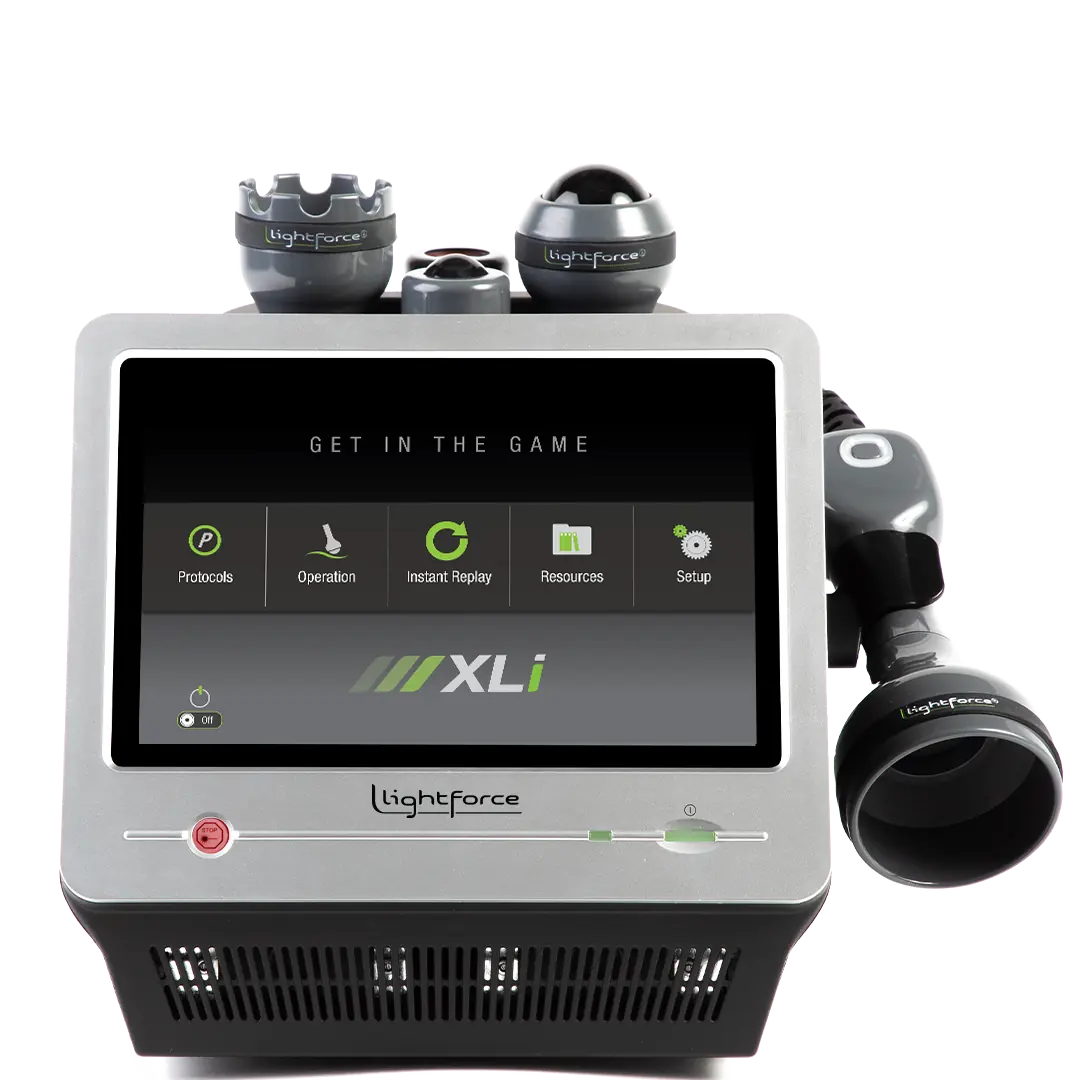
Equipment
LightForce systems
Compare professional laser therapy equipment by use case, model fit, and implementation needs.


Atlanta clinics evaluating Class IV laser therapy equipment can use Chattanooga Rehab to compare LightForce systems, workflow fit, and implementation support. Chattanooga Rehab is a rehabilitation equipment manufacturer serving professional clinics with LightForce laser and Intelect shockwave systems.
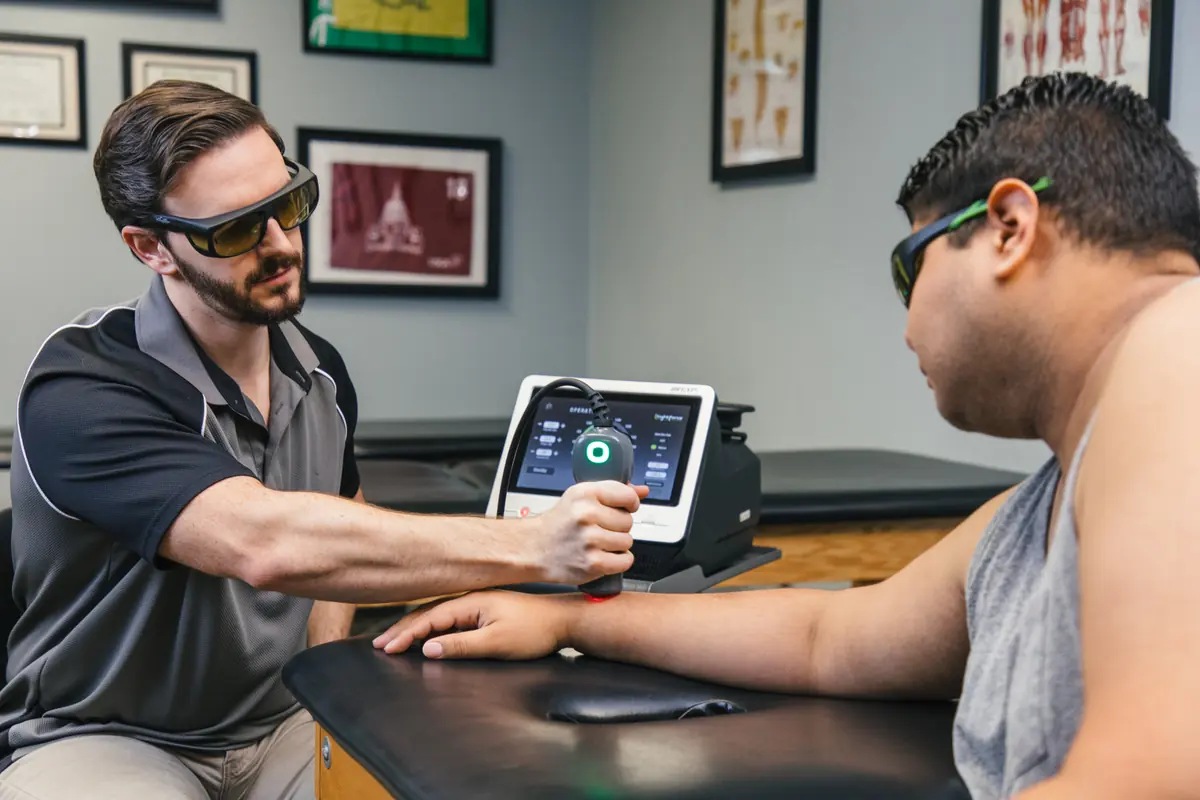
Compare professional laser therapy equipment by use case, model fit, and implementation needs.
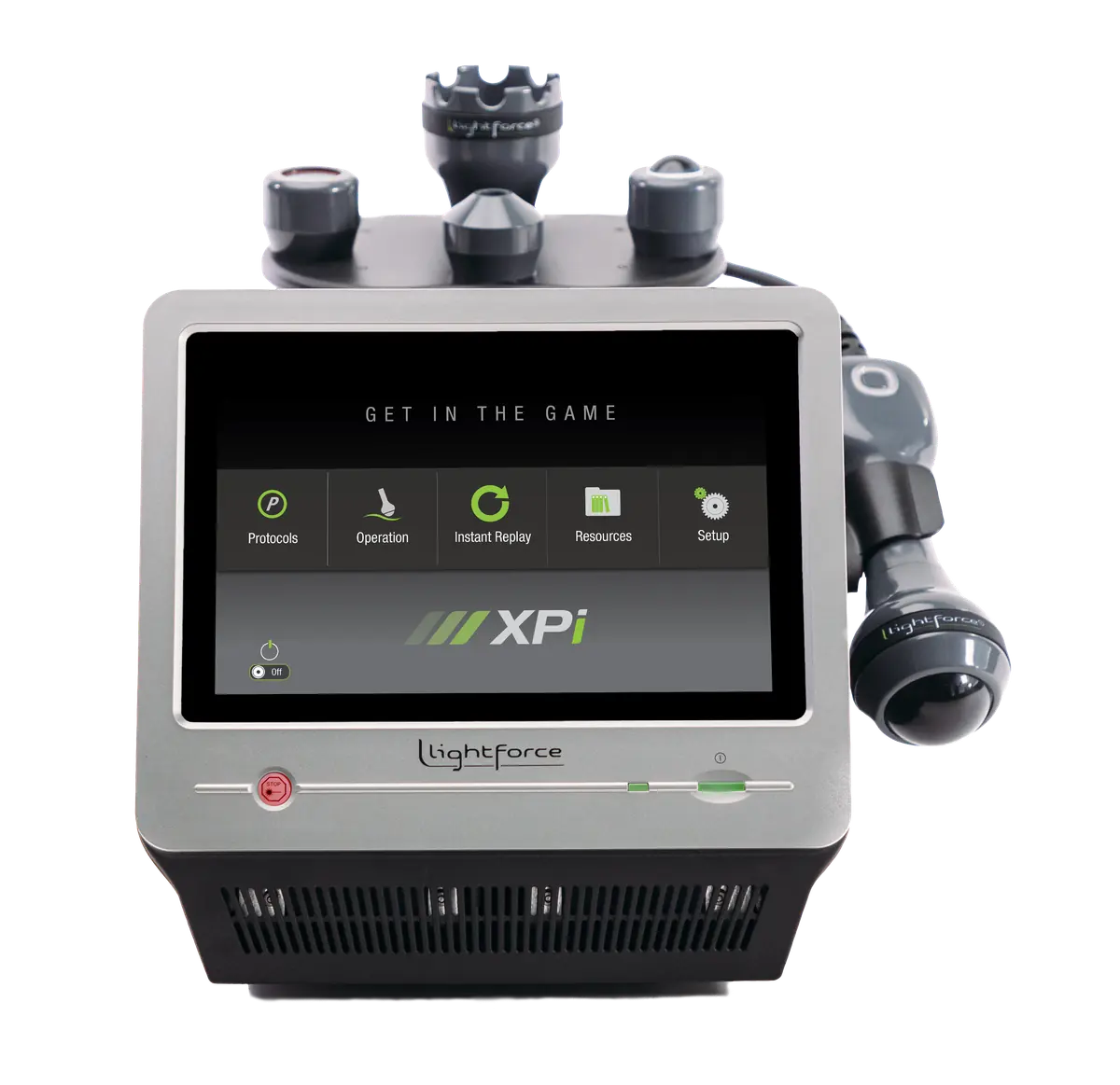
Consider treatment room setup, clinician training, caseload, and support before choosing a system.
Discuss the proposed configuration and request an itemized quote from the representative.
Compare documented intended use, the proposed configuration, operator requirements, and the clinic's ability to meet the device instructions. Request the applicable manual before the equipment discussion so your clinical, purchasing, and facilities leads can review the same system. For LightForce® XLi/XPi, the manual addresses labeled use, treatment heads, safety controls, and service. A model's power specification or Class IV designation alone does not establish suitability for your clinic or predict patient outcomes. [1]
Request a dated written quote for the specific model and configuration under consideration. Ask the seller to separate the equipment price from accessories, shipping, training, and any service or financing terms. This guide does not establish a current price range, discount, or financing offer. The XLi/XPi manual describes device-specific accessories and warranty terms, but it is not a current sales quotation. Compare written offers on the same scope before treating a headline price as the total purchase cost. [1]
Ask for an itemized configuration, including the exact treatment heads, handpiece, protective eyewear, transport accessories, and any proposed training or service. The XLi/XPi manual distinguishes supplied components, treatment-head options, and safety equipment; do not assume every quoted package is identical. Have the seller mark each item as included, optional, or excluded. Confirm delivery and setup responsibilities for your actual Atlanta clinic address rather than assuming the purchase includes onsite installation or continuing support. [1]
Assess the complete working configuration in each proposed room, not just the main unit's portability. Review where the handpiece, fiber, accessories, electrical connection, and protective equipment will be placed. The XLi/XPi manual includes handling and treatment-area precautions that still apply when equipment moves. Have the safety lead evaluate access and exposure controls in every intended treatment space. A portable system does not make an open gym or a second room automatically suitable for laser use. [1]
Include the PT responsible for clinical decisions, the proposed operators, the laser safety lead, and the people responsible for purchasing and facilities. Give each person a defined review task: intended use, competency, treatment-space controls, or written purchase scope. Georgia PT rules address professional judgment, delegation, and supervision; the XLi/XPi manual separately addresses trained professional operation. Neither a sales demonstration nor a purchase decision establishes that every staff member is eligible to provide treatment. [1] [6]
Verify the intended operators' professional scope with the applicable Georgia licensing authority and review the exact device labeling before committing to a configuration. The LightForce manual's professional-use and training requirements are separate from state licensing requirements. The Georgia PT rules cited elsewhere on this page do not establish chiropractic authority. Do not treat a supplier's demo, a course certificate, or another clinic's use as a legal determination for your practice. Resolve the proposed roles before planning treatment services. [1]
Ask for the training syllabus, intended participants, competency checks, and responsibility for maintaining training records. The XLi/XPi manual calls for safety orientation and operator proficiency and describes controls, accessories, patient feedback, and handling precautions. Have the clinical lead compare the proposed training with those requirements. Confirm whether initial instruction, additional staff sessions, and later refreshers are included in the written purchase terms. A quoted training package should not be described as a state license or universal certification. [1]
Confirm the warranty start date, covered components, exclusions, service contact, shipping responsibility, and repair process for the actual purchase. The reviewed XLi/XPi manual describes a limited warranty and conditions, including original-purchaser restrictions; it does not establish today's contract, a local repair facility, a loaner, or a turnaround guarantee. Ask how a service request would be handled for your clinic address. Do not open the system for internal repairs; the manual restricts user servicing. [1]
Compare the documents for the specific systems: intended use, contraindications, configuration, operator requirements, and written service terms. LightForce XLi/XPi instructions provide one system-specific reference; they are not operating instructions for another manufacturer's device. Ask each supplier to substantiate any comparative claim separately. A shared Class IV designation does not establish equivalent accessories, treatment parameters, clinical outcomes, or warranty coverage. Use a documented clinic-requirements checklist rather than choosing from a brand claim alone. [1]
Provide the clinic address and ZIP code, professional setting, proposed operators, room constraints, and the decisions the demonstration needs to resolve. Ask the contact to confirm the relevant product family, format, and availability before making arrangements. Chattanooga® Rehab's US contact page separates local-sales inquiries from Customer Service. The on-topic laser demo links on this page start that conversation; they do not establish an Atlanta showroom, an onsite visit, or a guaranteed demonstration date. [7]
Check the proposed device's intended use against the clinic's planned service before discussing patient demand. The XLi/XPi manual describes topical heating for temporary relief of specified minor muscle and joint pain, stiffness, minor arthritis pain, or muscle spasm, plus temporary local circulation increase and muscle relaxation. These are bounded device-label descriptions, not promises to cure a diagnosis or regenerate tissue. Have the clinical lead review the complete indication and screening requirements for the exact system under consideration. [1]
It identifies a laser safety classification, not an effectiveness grade. The LightForce XLi product documentation lists Class IV among technical specifications, while the operating manual separately states intended use and exposure precautions. Evaluate those sections separately. Buyers should not infer that a higher class guarantees greater pain relief, broader indications, or better results than another system. Ask the supplier to connect every proposed clinical claim to applicable evidence and the exact device labeling. [1] [5]
Review the full contraindication, warning, and precaution sections with the clinical lead, rather than relying on a short list of drawbacks. The XLi/XPi manual identifies restrictions involving specified areas during pregnancy, children's epiphyseal lines, pacemakers, certain glands, and heat- or light-sensitive drug contraindications. These examples are not a complete screening protocol. Assess whether the clinic can document appropriate selection and monitoring before offering treatment, and keep laser within a clinician-directed rehabilitation plan. [1]
Build capacity estimates around the clinical team's expected care plans, not a universal visits-per-week package. Treatment timing and parameters depend on clinician judgment and patient presentation. Before purchase, ask how assessment, treatment, cleaning, documentation, and reassessment would fit existing appointments. Test those assumptions during equipment evaluation. This page does not prescribe a treatment course or promise a fixed number of billable visits from adding a laser. [1]
Discuss direct and reflected exposure, skin heating, flammable materials, and monitoring of patient comfort with the designated safety lead. The XLi/XPi manual warns of eye injury and burns and specifies eyewear and exposure controls. Ask how those precautions would work in the proposed room with actual staff and patient movement. Do not interpret temporary-relief labeling, portability, or a short treatment demonstration as evidence that the device is risk-free or suitable for unsupervised use. [1]
Document the proposed operator roles and verify professional competence, delegation, and supervision against applicable Georgia requirements and device instructions. Georgia's PT rules address the therapist's judgment and responsibility and specify licensed-PT supervision for physical therapist assistants. The LightForce manual separately requires trained professional use. These sources do not grant blanket permission to every employee or determine an individual's eligibility. Resolve role-specific questions with the appropriate licensing authority before clinical implementation. [1] [6]
Review the demonstration location against the proposed device's controlled-area requirements before assuming the room is ready. The XLi/XPi manual addresses a secure, ventilated treatment area, restricted access, warning signage, and protective eyewear. Ask the supplier and your safety lead to agree on who controls entry and what barriers or protective measures are required. Confirm responsibilities before the visit; a demonstration request does not establish installation services or regulatory approval for the room. [1]
Because the hazard assessment is configuration-specific. The XLi/XPi manual lists nominal ocular hazard distances for different treatment heads and explains the table's assumptions. Do not apply one distance to every head, model, room, or operating situation. Have the designated safety lead review the applicable manual, proposed accessories, and actual layout with the supplier. This buyer guide deliberately does not provide a universal exclusion radius or eyewear specification that could be mistaken for a completed safety assessment. [1]
Review the intended applications, compatibility, handling, and cleaning requirements for each head in the proposed configuration. The XLi/XPi manual distinguishes contact and non-contact heads and gives head-specific instructions. Ask the clinical lead to assess those differences during equipment evaluation rather than assuming every accessory is interchangeable. Confirm what is included in the quote and which instructions apply. This is a purchasing review, not a substitute for device training or step-by-step treatment guidance. [1]
Ask the supplier to demonstrate the proposed workflow and explain what its timing estimate includes. The XLi product page qualifies its treatment-time description by treatment area and power; it is not a universal appointment duration. Account separately for assessment, positioning, treatment, accessory cleaning, and documentation. Have the clinical team determine appropriate use and scheduling. Do not convert a product-page estimate into guaranteed throughput, revenue, or a fixed protocol for every patient or LightForce model. [1] [5]
1. LiteCure. LightForce XLi/XPi User Manual. Sections1-5: intended use, professional operation, contraindications, room controls, treatment heads, nominal ocular hazard distance, handling, warranty and service. Confirm the applicable device revision.
5. Chattanooga. LightForce XLi 40W Therapy Laser System. Model-specific technical specifications and qualified treatment-time description; not a universal duration or comparative outcomes source.
6. Georgia State Board of Physical Therapy. Chapter490-9: Code of Ethics. Professional judgment, competence, delegation and PTA supervision; not device-specific or individual legal authorization, and not chiropractic scope guidance.
7. Chattanooga. Contact Us. Current official local-sales inquiry and Customer Service routes. Verify actual territory and demonstration arrangements.
Review the current US instructions for the exact equipment configuration before approving clinical use, accessories, room controls, or staff training. Manufacturer documentation supports product facts; clinical research addresses its stated study population and methods. A study does not extend a device indication. [1]
Individual results may vary. Neither DJO Global, Inc. nor any of its subsidiaries dispense medical advice. The contents of this website do not constitute medical, legal, or any other type of professional advice. Rather, please consult your healthcare professional for information on the courses of treatment, if any, which may be appropriate for you.