Room layout
Confirm patient positioning, clinician movement, power access, and device placement before purchase.


Class 4 therapy laser room planning should address the controlled treatment area, access, compatible eyewear, operator training, and the device installation instructions. Send the representative a real room layout before the demo so the clinic can evaluate the proposed configuration and needed changes. Chattanooga Rehab is a rehabilitation equipment manufacturer serving professional clinics with LightForce laser and Intelect shockwave systems.
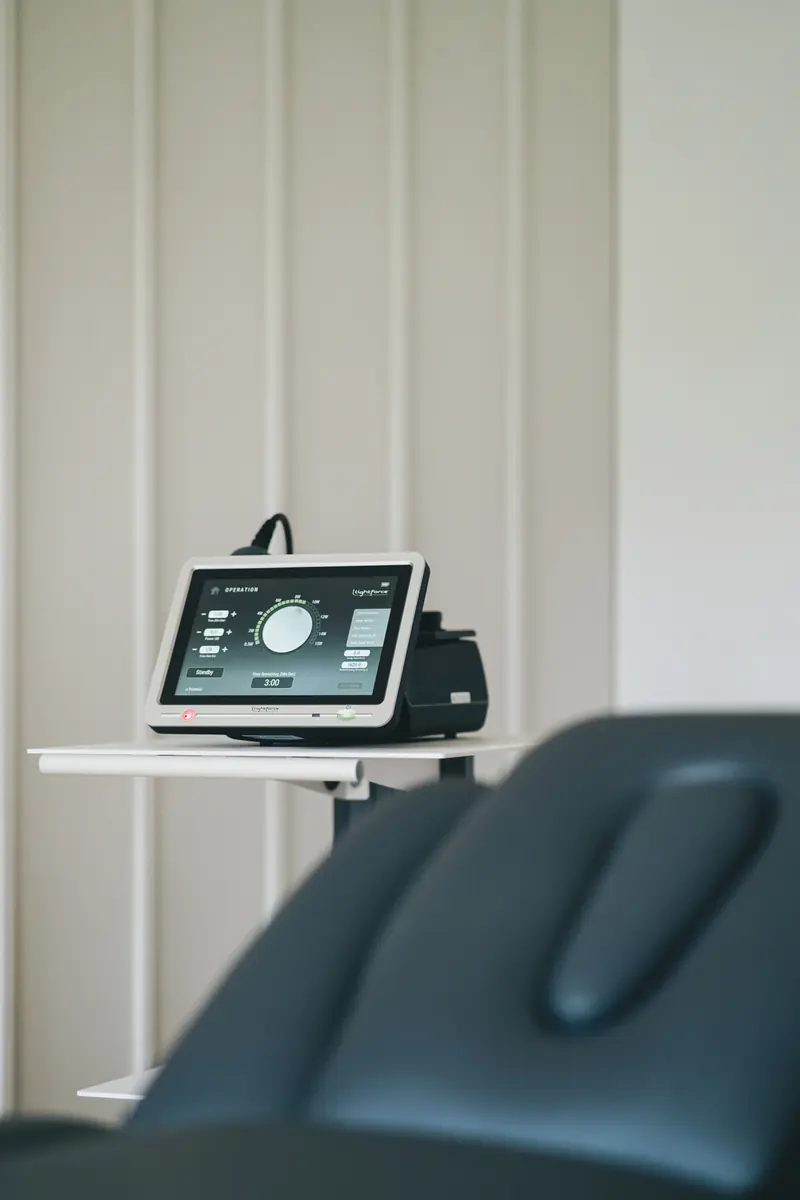
Confirm patient positioning, clinician movement, power access, and device placement before purchase.
Tie room setup to staff training, eyewear use, signage, and documentation.
Use the demo to test workflow questions, not just feature questions.
A clinic should evaluate whether its proposed space meets the safety controls and operating requirements for the actual device. That assessment may lead to changes in an existing room or a different room choice. It cannot be decided from the laser classification alone. Chattanooga guidance calls for a controlled area, protective eyewear, trained operators, and compliance with applicable requirements. [1]
Provide the clinical lead and facility laser-safety lead with the room layout before approving the equipment purchase. Include entrances, patient positioning, nearby activity, device placement, and the people who need access during operation. Ask the representative to identify where the current device instructions address room controls. Keep the facility assessment separate from the financial decision to buy the laser.
Mark the treatment table, doorways, outlets, walking routes, storage, and planned device position. Show where the clinician stands and how a patient enters or leaves. Include any shared-room activity that could affect access. If the laser is expected to move between rooms, prepare a layout for each proposed operating space rather than evaluating only the easiest room to demonstrate.
Ask to rehearse the workflow using the proposed system and accessories. Review cable routing, control access, treatment-head storage, cleaning access, and the path used to move equipment. Have the staff who will perform those tasks attend. A practical room walkthrough can identify unresolved setup questions before delivery, but it does not replace the laser-safety assessment or device-specific operating instruction.
Evaluate the actual room against the current device instructions. Include the facility safety lead before approving the layout.
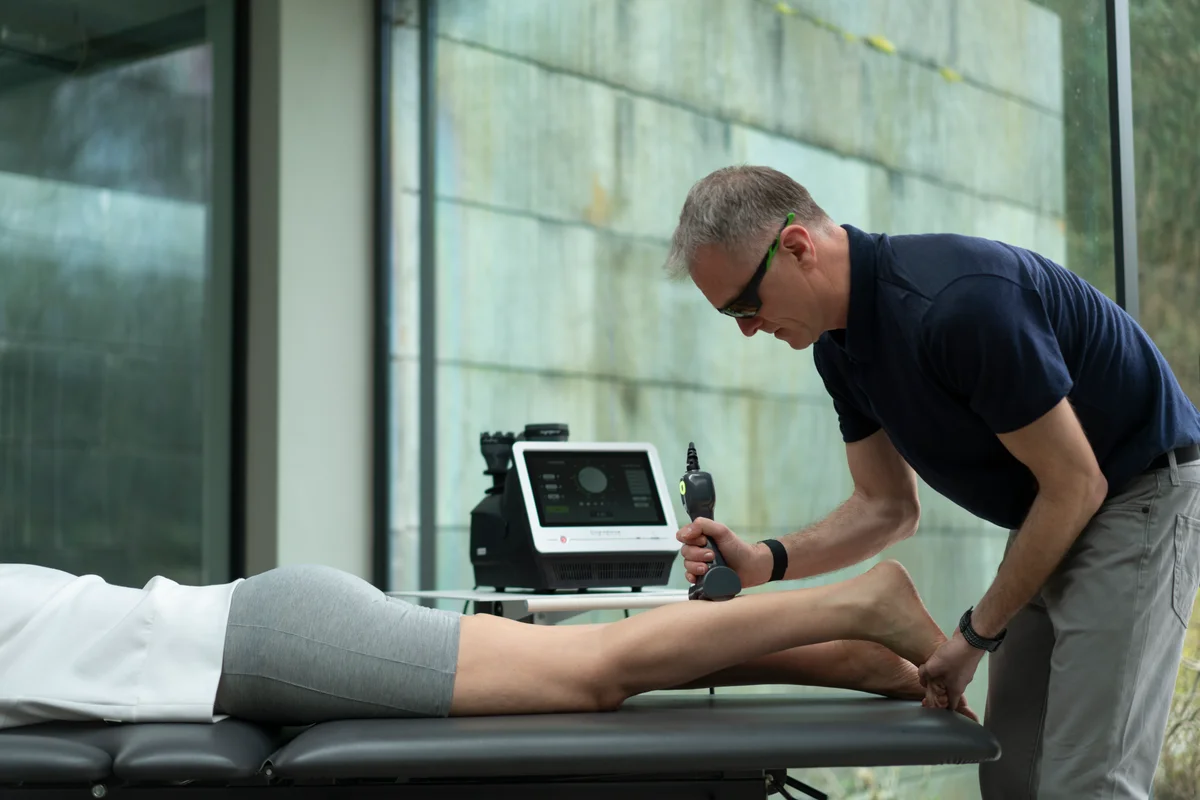
Request the current US instructions for the exact model and have the facility team review power access, operating conditions, and installation guidance. Do not borrow specifications from another LightForce model or an international product listing. Identify any room preparation, cart, storage, compatible protective equipment, or staff instruction that is separate from the quoted base system. [1]
Create a short readiness list with an owner for each task. The list may include obtaining current documents, confirming the room choice, completing the safety review, receiving the agreed accessories, and arranging training. Ask the representative which delivery and setup tasks are included. Mark unconfirmed dates as estimates so equipment arrival is not mistaken for permission to begin operation.
Consider each intended operating location as part of the facility review. Ask how access and eyewear use will be managed when the system moves, and where the device and accessories are stored between sessions. If several clinicians use the same equipment, identify who checks readiness and who reports a missing or damaged item. Avoid a room plan that depends on one staff member remembering undocumented steps.
Vanderbilt guidance provides an institutional example of assigning laser-safety responsibilities and reviewing hazards. It is useful for structuring questions, not as a universal floor plan or a local code determination. The clinic should confirm its own requirements with qualified facility and safety personnel. Once those decisions are documented, compare the room-ready scope with the equipment quote and request a laser demo around the chosen layout. [2]
| Review area | Information to confirm |
|---|---|
| Existing room | Access, surrounding activity, patient and clinician positioning |
| Shared room | Controls during operation and the responsible safety reviewer |
| Mobile system | Each operating location, transport path, storage, accessories |
| Purchase acceptance | Current instructions, readiness tasks, included setup and training |
Send entrances, table placement, equipment storage, surrounding activity, and the intended access plan so the proposed configuration can be reviewed in context.
Include the clinical lead, facility laser-safety lead, administrator, and facilities reviewer where needed. Resolve documented requirements before equipment acceptance.
Identify the changes required by the facility assessment and device instructions. Record their costs separately from the base equipment price.
Use the laser eyewear purchasing guide to align compatible eyewear, user quantities, and storage with the room access plan.
Questions for clinics evaluating equipment fit, training, support, service, safety, and purchase timing.
Send the room dimensions, treatment-table layout, outlet locations, doorway clearance, storage space, and expected staff movement. Include whether the system will move between rooms. Ask the representative to demonstrate a layout that reflects those constraints before you approve a configuration.
Evaluate a controlled treatment area using the device instructions and the facility laser safety assessment. Whether your existing room can meet the controls depends on access, surroundings, eyewear, and the operating procedure. Do not approve a shared-room plan from a product photo alone.
Request the current instructions for the quoted model and have the facility team review its power and installation requirements. Verify the actual outlet and intended device position. Do not apply specifications from a different model or market to the equipment being quoted.
Ask to demonstrate the full move with the proposed cart, accessories, and cables. Measure doorways and identify where the device will be stored and connected. Include the staff responsible for transport so mobility is evaluated as a complete workflow rather than a weight specification alone.
Check patient transfer, clinician reach, device placement, cable routing, cleaning access, storage, and the route out of the room. For laser equipment, include the laser safety controls. Record the changes needed before delivery and assign an owner to each task.
Compare the equipment package with the room-preparation plan. Identify carts, storage, accessories, compatible protective equipment, and installation tasks that are included or separate. Obtain written scope so a low equipment price is not mistaken for the total room-ready purchase cost.
Ask the representative to itemize the laser equipment configuration and the parts or services needed for this project. Record included quantities, optional purchases, training, delivery assumptions, and written support terms. Have the purchasing and clinical leads compare that scope with the specific requirements above before approval.
Request current instructions for the exact model, accessory compatibility information, the accepted quote, and the applicable warranty or contract terms. Record the document version and market. Use these records to resolve unanswered questions rather than relying on an older brochure or a general sales statement.
Have the clinical lead approve device fit and operation, the administrator approve staffing and room readiness, and the purchasing lead approve the written cost and contract scope. Include a safety or facility reviewer where needed. Keep each approval tied to the proposed configuration.
Separate the equipment purchase from accessories, staff time, training, shipping, inspection, maintenance, and service. Request current prices for applicable items and identify unknown costs. Review these assumptions with the financial lead without turning an estimate into a guaranteed annual expense or return.
Use the current operating instructions to review setup, device controls, accessory identification, care, and issue reporting. Record completed instruction and questions requiring follow-up. The clinical lead should decide when operators are ready under the facility policy rather than assuming attendance at a sales demo is sufficient.
Use the demo link on this page and provide the clinic type, room plan, operators, purchase timeline, and this topic's unresolved questions. Ask for a demonstration of the proposed laser equipment configuration and written follow-up on quote scope, training, and service.
1. Chattanooga. Class IV laser therapy devices: indications, safety, training, and equipment selection. Laser device indications, operating context, and training questions.
2. Vanderbilt University Medical Center. Laser Safety Program Guide. Institutional guidance on hazard review, laser-safety responsibilities, eyewear selection, and operator training. It does not replace current device instructions or establish a universal clinic installation specification.
Individual results may vary. Neither DJO Global, Inc. nor any of its subsidiaries dispense medical advice. The contents of this website do not constitute medical, legal, or any other type of professional advice. Information related to various health, medical, and fitness conditions and their treatment is not meant to be a substitute for the advice provided by a physician or other medical professional.
Review the current US instructions for the exact equipment configuration before approving clinical use, accessories, room controls, or staff training. Manufacturer documentation supports product facts; clinical research addresses its stated study population and methods. A study does not extend a device indication. [1]