

Class IV laser room setup questions
Plan a Class IV laser room around the exact system's current instructions, access controls, treatment-table position, clinician movement, compatible eyewear, and accessory storage. Bring the receiving-room layout to a laser demonstration and have the responsible safety lead review preparation before use. Chattanooga Rehab is a rehabilitation equipment manufacturer serving professional clinics with LightForce laser and Intelect shockwave systems.
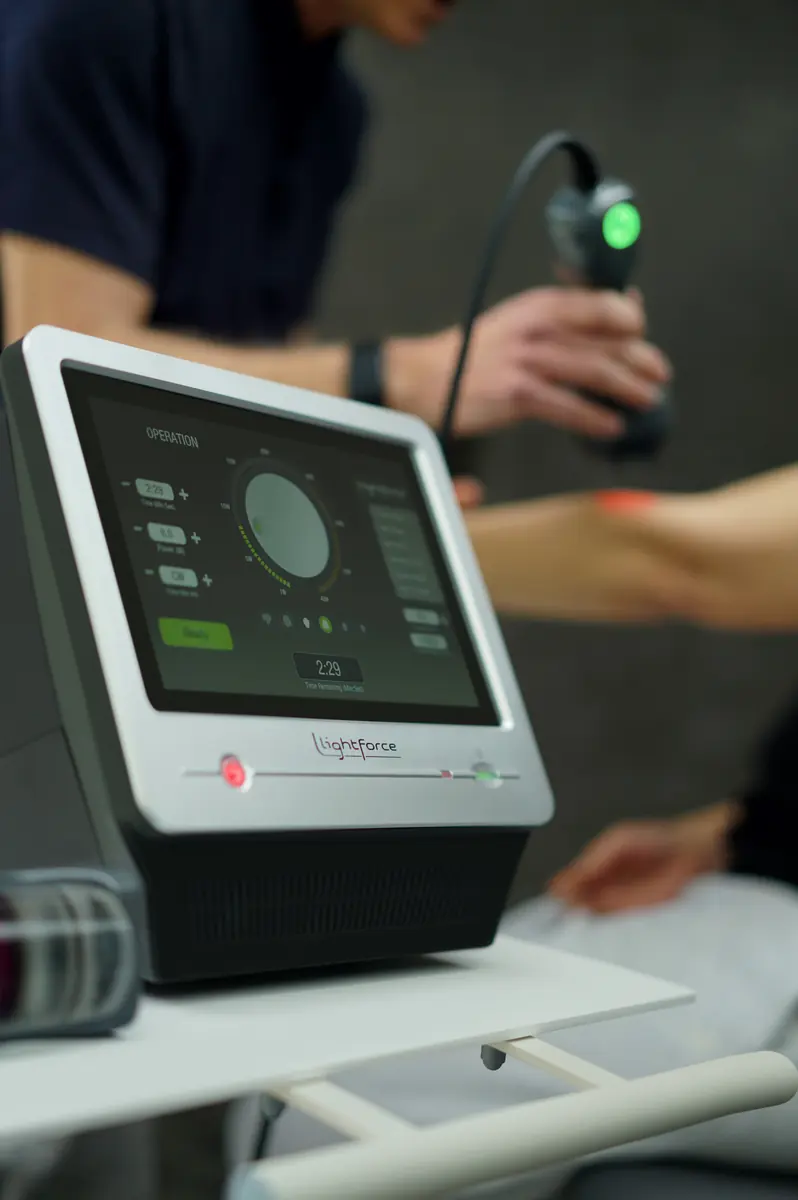
How should the treatment room be planned?
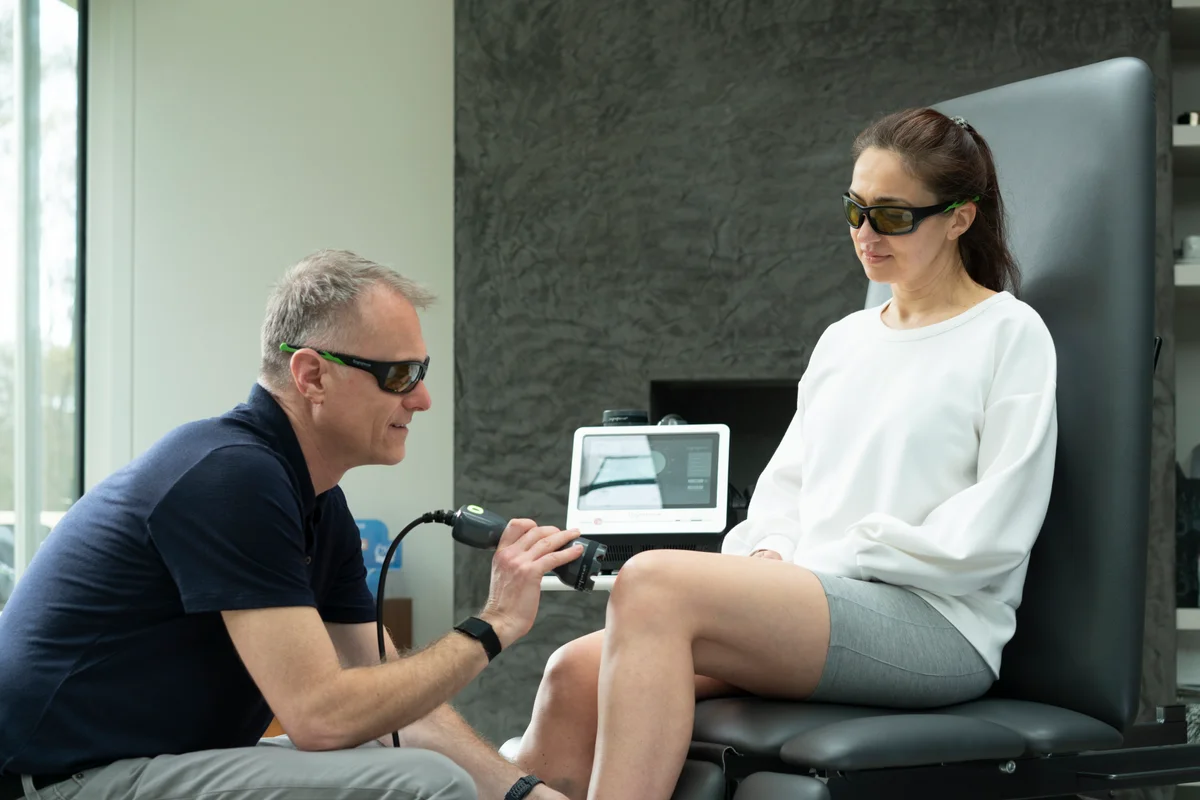
Bring a measured room layout to the demonstration. Identify the treatment table, equipment position, entrances, storage, and intended operator movement. Have the responsible safety lead compare the proposed arrangement with current device instructions before approving room preparation.
- Room flow
Plan device placement, clinician movement, patient positioning, and access to accessories.
- Portability
Ask whether the system stays in one room or moves across treatment spaces.
- Training
Room setup should be included in staff onboarding and future handoff.
Continue your equipment review
Buyer FAQs
Questions for clinics, rehab directors, chiropractors, sports medicine teams, and purchasing groups evaluating equipment.
What should a clinic ask first?
Start with clinic type, patient population, room setup, staff workflow, training needs, support expectations, and purchase timeline.
Should this replace a demo conversation?
No. The page helps the team prepare better questions before a guided demo or quote conversation.
What quote details should be confirmed?
Ask what is included, what may be optional, what training covers, what warranty terms apply, and how service is requested.
Can this vary by clinic size?
Yes. Single-location clinics, multi-location groups, and specialty practices may need different equipment configurations and support planning.
Who should review this internally?
Include the clinical lead, owner or administrator, procurement contact, and the staff who will use the equipment.
What should we avoid assuming?
Do not assume a listing, model name, or monthly payment explains training, service, support, accessory scope, or fit for the clinic.
How does this connect to implementation?
Implementation should account for staff onboarding, room workflow, documentation expectations, support contacts, and future training.
Does Chattanooga Rehab publish exact pricing here?
No. Pricing and quote terms depend on equipment configuration and should be confirmed directly with Chattanooga Rehab.
Is this medical advice?
No. This is equipment planning content for professional buyers. Clinicians should follow product labeling and professional judgment.
What is the next step?
Talk with Chattanooga Rehab about LightForce laser fit, configuration, training, support, warranty, and quote timing.
References
1. Chattanooga. Class IV laser therapy devices: indications, safety, training, and equipment selection. Laser device indications, operating context, and training questions.
2. Vanderbilt University Medical Center. Laser Safety Program Guide. Institutional guidance on hazard review, laser-safety responsibilities, eyewear selection, and operator training. It does not replace current device instructions or establish a universal clinic installation specification.
Individual results may vary. Neither DJO Global, Inc. nor any of its subsidiaries dispense medical advice. The contents of this website do not constitute medical, legal, or any other type of professional advice. Rather, please consult your healthcare professional for information on the courses of treatment, if any, which may be appropriate for you.
Which documentation should guide the purchase?
Review the current US instructions for the exact equipment configuration before approving clinical use, accessories, room controls, or staff training. Manufacturer documentation supports product facts; clinical research addresses its stated study population and methods. A study does not extend a device indication. [1]