Staff roles
Identify who uses the device, who trains new staff, and who owns documentation.


Plan Class IV laser safety training before purchasing by separating device operation, facility-specific safety responsibilities, and the clinical lead's readiness review. Bring the intended operators, receiving-room information, and unresolved instruction questions to a laser demonstration before assuming a sales appointment covers the clinic's training requirements. Chattanooga Rehab is a rehabilitation equipment manufacturer serving professional clinics with LightForce laser and Intelect shockwave systems.
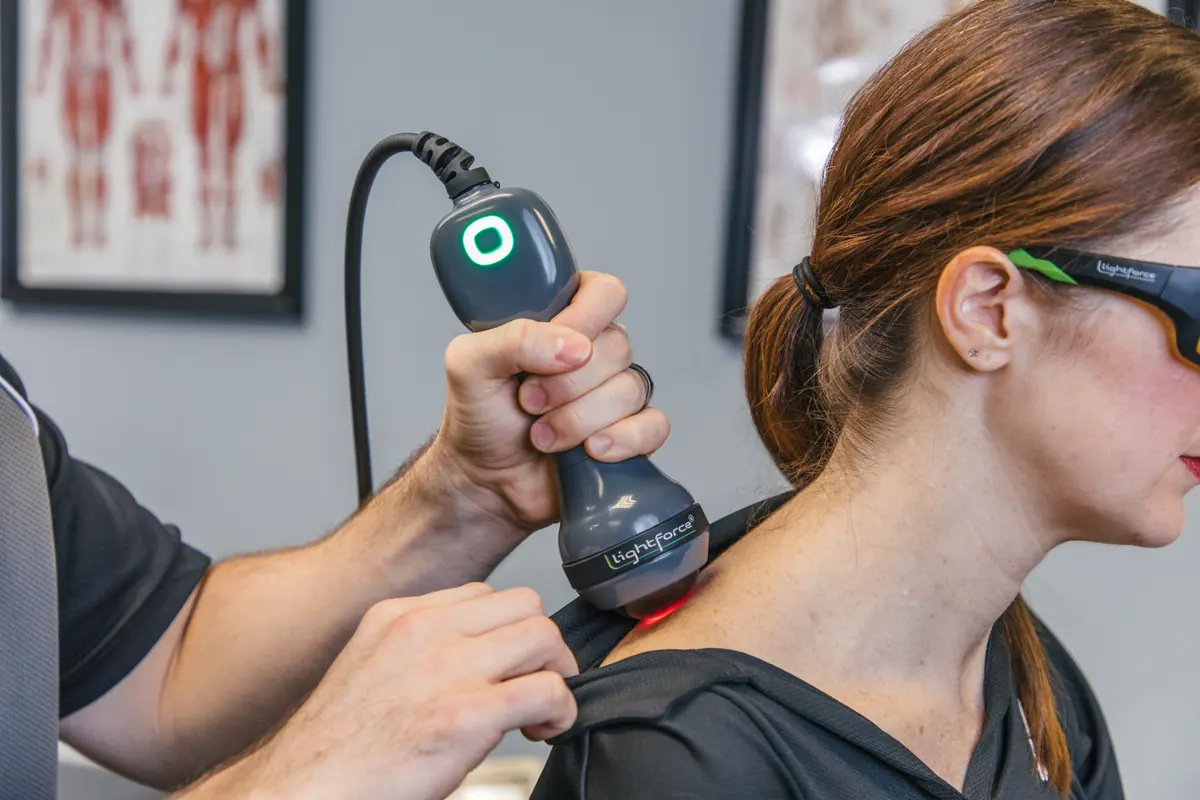
Class IV laser buying decisions should include staff roles, room setup, documentation expectations, future onboarding, and the support path after installation.
Identify who uses the device, who trains new staff, and who owns documentation.
Plan space, movement, setup, and repeatable use before buying.
Ask what happens after initial onboarding and how future questions are handled.
Identify intended operators, the clinical lead, the facility safety reviewer, and the person responsible for equipment records. Ask each to list questions within their responsibility before the owner approves a configuration. Device operation, site procedures, professional authorization, and clinical suitability are separate review areas. Assign a contact to resolve each open question rather than expecting the purchasing administrator to approve every aspect of readiness.
Vanderbilt's institutional laser guide distinguishes introductory instruction from facility-specific procedures and describes retaining training documentation. That distinction is useful purchasing context, but its institutional rules do not establish every clinic's obligations. Request current instructions for the exact laser and have qualified reviewers assess applicable requirements at the actual location. Record what the supplier provides and what the clinic must arrange independently. [2]
Ask for the system and configuration covered, the session format, proposed attendees, documentation supplied, and follow-up contact. Identify whether instruction includes the quoted handpiece and compatible treatment heads. Request arrangements for absent operators and later hires. Distinguish included instruction from optional sessions, separate courses, and facility review so the owner understands the accepted scope.
The official LightForce® page describes device operation instruction and implementation support. Obtain the current scope for the actual purchasing proposal rather than assuming every course, attendee, or later session is included. Request written clarification of uncertain terms and separately arranged costs. A provider's general education description does not establish unlimited instruction, professional authorization, or completion of the clinic's readiness reviews. [1]
Separate device instruction from site-specific responsibilities. Obtain the actual instruction scope in writing.
Bring the actual room layout, access, storage arrangements, intended movement, and staffing pattern to the planning discussion. Ask the responsible facility reviewer to identify relevant current device documents and preparation tasks. Include the staff who will handle components and equipment records, not just the purchasing decision-maker. Keep unresolved room or protective-equipment questions visible before scheduling the instruction session.
Ask intended operators to identify what they need to observe, practice under the appropriate instruction arrangement, or clarify through current documentation. Record the exact configuration evaluated and any differences from the proposed delivery. Do not substitute a general product video or previous experience with another system for model-specific review. This guide does not prescribe laser operating parameters or replace the responsible reviewer's decisions.
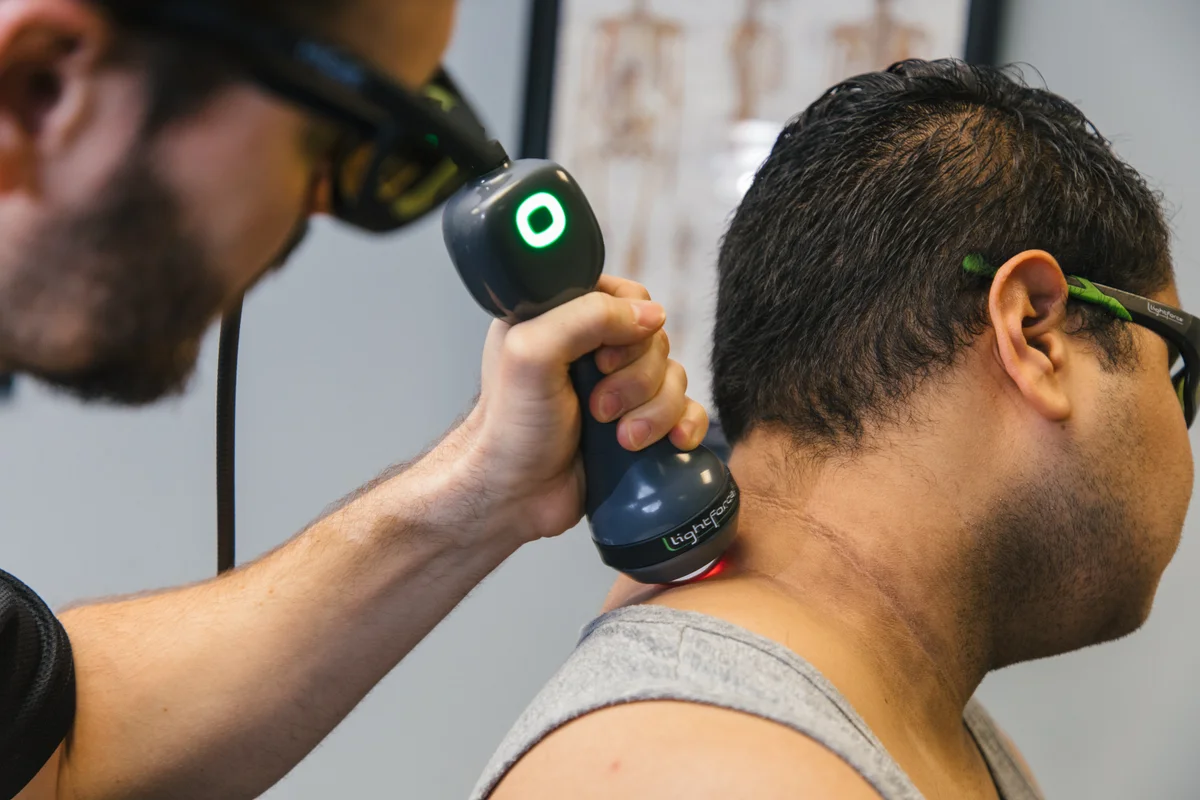
Retain the accepted instruction scope, current device documents, attendees, dates, configuration, materials supplied, and unanswered questions with the equipment record. Identify who coordinates follow-up and how new staff obtain the current information. Record delivery acceptance separately from decisions about operator and facility readiness. Attendance alone should not be described as completion of every clinical, professional, or safety requirement.
Review the instruction plan when staffing, device configuration, room arrangements, or relevant procedures change. Ask the responsible reviewers to identify what needs updating rather than inventing a universal refresher interval. Bring remaining purchasing questions to the laser demonstration before approval. Continue with the laser eyewear purchasing guide for compatible protective-equipment questions or the laser room requirements guide for the separate site-preparation review.
| Review area | Information to confirm |
|---|---|
| Responsibility review | Intended operators, clinical lead, safety reviewer and records owner |
| Instruction proposal | Actual configuration, attendees, session scope and separate costs |
| Site preparation | Receiving room, current documents and unresolved preparation tasks |
| Ongoing records | Attendance, materials, follow-up, later hires and changed conditions |
No. Request the instruction scope and facility-specific review separately; do not treat attendance at a demonstration as operator readiness or authorization.
Assign a named owner to retain the device instructions, instruction scope, attendance records, unresolved questions and decisions from responsible reviewers.
Review their responsibilities, the current device configuration and site procedures. Arrange instruction and readiness review rather than assuming earlier staff attendance covers new operators.
Short answers for clinics, rehab directors, chiropractors, sports medicine teams, and purchasing groups evaluating equipment.
Ask about setup, safety workflow, treatment-head handling, room setup, interface use, documentation expectations, and support resources.
Training planning should begin before installation so the clinic knows who attends, what rooms are used, and how future staff will be onboarded.
Include clinicians who will use the device, clinical leaders, operations staff who manage scheduling, and anyone responsible for future onboarding.
Yes. Training affects staff adoption, repeatable workflow, documentation, and confidence using the equipment.
Ask about space, power access, clinician movement, patient positioning, cart placement, and whether the system moves between rooms.
Ask what materials are provided, who maintains internal records, and how new staff are trained later.
Yes. Ask to see setup, interface, room flow, staff handoff, and support expectations.
They can differ by workflow, portability, output needs, accessories, and treatment-room setup.
Ask who answers follow-up questions, how support is requested, and what resources are available for future staff.
Talk with Chattanooga Rehab about LightForce model fit, training, safety workflow, implementation, service, and quote timing.
Ask which topics the provider covers and which require review at the receiving clinic. Vanderbilt's institutional guide distinguishes introductory instruction from procedures specific to the facility and laser. Use that as planning context, not as a universal clinic rule. Have the responsible reviewer assess current device instructions and applicable requirements for your site. [2]
Request the proposed session format, included attendees, documents supplied, follow-up contact, and arrangements for staff who cannot attend. Ask whether later sessions are included or separately arranged and obtain any charges in writing. Retain those terms with the accepted equipment proposal rather than assuming unlimited instruction accompanies a device purchase.
1. Chattanooga. Class IV laser therapy devices: indications, safety, training, and equipment selection. Laser device indications, operating context, and training questions.
2. Vanderbilt University Medical Center. Laser Safety Program Guide. Institutional guidance on hazard review, laser-safety responsibilities, eyewear selection, and operator training. It does not replace current device instructions or establish a universal clinic installation specification.
Individual results may vary. Neither DJO Global, Inc. nor any of its subsidiaries dispense medical advice. The contents of this website do not constitute medical, legal, or any other type of professional advice. Information related to various health, medical, and fitness conditions and their treatment is not meant to be a substitute for the advice provided by a physician or other medical professional.
Review the current US instructions for the exact equipment configuration before approving clinical use, accessories, room controls, or staff training. Manufacturer documentation supports product facts; clinical research addresses its stated study population and methods. A study does not extend a device indication. [1]