Warranty risk
Obtain the agreement that applies to the actual unit and purchase channel.


Compare new versus used Class IV laser therapy equipment by the exact model, documented condition, included components, support eligibility, and total purchasing scope, not the advertised price alone. Request written answers for unresolved ownership and service questions, then use a laser demo to establish a current configuration baseline. Chattanooga Rehab is a rehabilitation equipment manufacturer serving professional clinics with LightForce laser and Intelect shockwave systems.
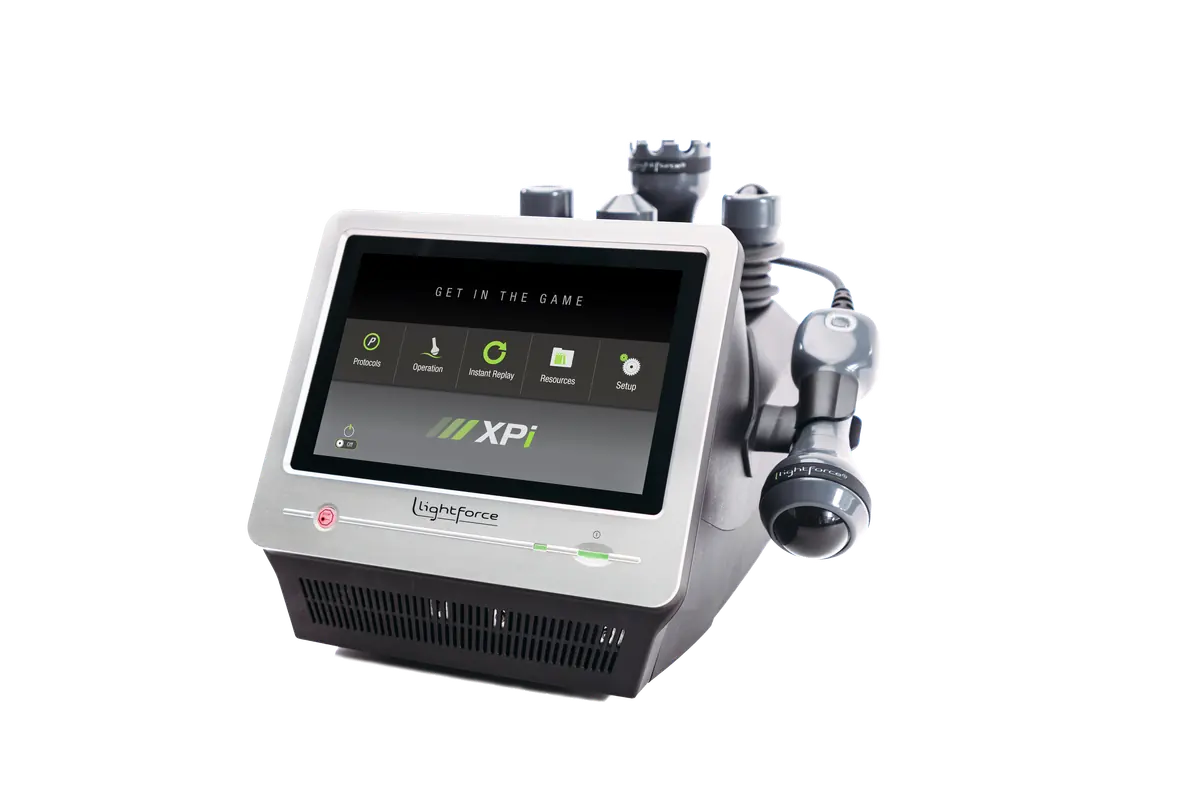
Obtain the agreement that applies to the actual unit and purchase channel.
Ask who handles service requests, how support is reached, and what timeline assumptions apply.
Confirm what current device instruction is available for the proposed unit.
Record the model, configuration, handpiece, compatible treatment heads, and included quantities for each option. A used listing and a current new-equipment quote may describe different generations or accessory packages. Ask the seller to identify the actual device rather than relying on a photograph or a general Class IV description. Compare intended clinical scope against the current labeling for that exact system.
Use current official LightForce® information to frame questions about the proposed configuration, then obtain its operating documents. The US laser page provides current model and delivery-system context, but it does not establish the condition or coverage of a particular secondhand unit. A current demonstration can show the configuration being evaluated; it cannot certify a separate used device listed by another seller. [1]
Ask for the serial number, seller identity, available purchase records, service history, and a description of current condition. Request documentation for any stated inspection, refurbishment, or replacement work. Clarify who performed the work and what was examined. Terms such as tested or refurbished should lead to a written scope, not be treated as proof that every component has been assessed.
Discuss an appropriate device-specific inspection with authorized support before committing to the transaction. Record unresolved history or condition questions and who can resolve them. Do not infer useful life from a listing age, appearance, or a seller's general estimate. Keep any available operating counters in their documented context; they are not a universal remaining-life calculation. This guide does not provide a do-it-yourself inspection or repair procedure.
Compare actual configurations before comparing advertised prices. Request written condition and ownership records for a used unit.
For a new proposal, request the written equipment, handpiece, and accessory coverage supplied with that order. For a used proposal, ask authorized support to confirm eligibility using the actual device identity and ownership situation. Keep warranty transfer, service acceptance, parts availability, and instruction availability as separate questions. An original warranty document does not establish that a later buyer receives the same coverage.
Identify the service contact, intake process, possible transport charges, and the support scope confirmed in writing. Ask about current documentation and instruction for the clinicians who will operate the device. Record any separately arranged work or expense. Do not claim that a particular secondhand purchase is supported, unsupported, or eligible for an upgrade without confirmation for that exact unit.
Build a comparison containing the purchase price and each confirmed additional charge. Include missing compatible components, inspection or service work, transport, operator instruction, and room preparation where applicable. Separate these confirmed costs from unresolved items. Avoid declaring a used option cheaper overall while condition or support questions remain unanswered, and avoid assigning a universal repair allowance that has no written basis.
Have the clinical, operations, and purchasing leads review the same device record before approval. Clarify delivery acceptance, return provisions, and which party resolves a configuration mismatch. Use a laser demonstration to compare a current proposed setup with your clinic workflow, then retain the final decision and supporting documents. The therapy equipment quote checklist helps organize the accepted scope without turning this comparison into a resale catalog.
| Review area | Information to confirm |
|---|---|
| Device identity | New: quoted model and configuration; used: actual model, serial number and supplied components |
| Condition evidence | New: delivery acceptance scope; used: documented history, inspection and refurbishment scope |
| Support provisions | Both: written coverage, eligibility, service contact, parts and instruction availability |
| Total purchasing scope | Both: confirmed charges, unresolved costs, acceptance and return provisions |
Compare inspection, missing components, transport, instruction, room preparation, support and replacement costs. Keep unresolved expenses separate from confirmed charges.
Request written confirmation for the exact serial number, seller, and proposed ownership change. Do not assume transferability from the original purchase date.
Ask who performed the work, which components were inspected or replaced, what documentation is supplied, and which written coverage applies.
Questions for clinics evaluating equipment fit, training, support, service, safety, and purchase timing.
Request the serial number, model, ownership record, service history, included accessories, software details, and current operating documentation. Ask the manufacturer or authorized support contact whether the system can be serviced. Do not treat a working display or brief seller video as a full condition assessment.
Obtain written confirmation for the specific serial number and sale. Ask about transfer conditions, proof of purchase, coverage dates, and accessory exclusions. Do not assume the original warranty transfers because the seller describes the equipment as lightly used.
Compare the full package: equipment condition, accessories, documentation, training, service access, warranty, shipping, and inspection. Identify missing items and obtain replacement prices before deciding. A lower listed purchase price is not enough to establish a lower total ownership cost.
Ask an authorized service contact which checks are appropriate for the model and who can perform them. Request a written assessment where available. Include accessory condition and documented maintenance history, then make purchase acceptance conditional on the agreed inspection rather than a general seller assurance.
Ask the manufacturer or authorized representative about training options for the actual system and ownership arrangement. Clarify availability, format, cost, and the documentation staff will receive. Used equipment should not be put into service simply because one staff member operated a similar model elsewhere.
Identify missing accessories, compatible protective equipment, inspection, freight, repairs, software or support requirements, and training. Ask for current prices before purchase. Keep these costs separate from the seller price so procurement can compare the used system with a complete new-equipment quote.
Ask the representative to itemize the laser equipment configuration and the parts or services needed for this project. Record included quantities, optional purchases, training, delivery assumptions, and written support terms. Have the purchasing and clinical leads compare that scope with the specific requirements above before approval.
Request current instructions for the exact model, accessory compatibility information, the accepted quote, and the applicable warranty or contract terms. Record the document version and market. Use these records to resolve unanswered questions rather than relying on an older brochure or a general sales statement.
Have the clinical lead approve device fit and operation, the administrator approve staffing and room readiness, and the purchasing lead approve the written cost and contract scope. Include a safety or facility reviewer where needed. Keep each approval tied to the proposed configuration.
Separate the equipment purchase from accessories, staff time, training, shipping, inspection, maintenance, and service. Request current prices for applicable items and identify unknown costs. Review these assumptions with the financial lead without turning an estimate into a guaranteed annual expense or return.
Use the current operating instructions to review setup, device controls, accessory identification, care, and issue reporting. Record completed instruction and questions requiring follow-up. The clinical lead should decide when operators are ready under the facility policy rather than assuming attendance at a sales demo is sufficient.
Use the demo link on this page and provide the clinic type, room plan, operators, purchase timeline, and this topic's unresolved questions. Ask for a demonstration of the proposed laser equipment configuration and written follow-up on quote scope, training, and service.
1. Chattanooga. Class IV laser therapy devices: indications, safety, training, and equipment selection. Laser device indications, operating context, and training questions.
Individual results may vary. Neither DJO Global, Inc. nor any of its subsidiaries dispense medical advice. The contents of this website do not constitute medical, legal, or any other type of professional advice. Information related to various health, medical, and fitness conditions and their treatment is not meant to be a substitute for the advice provided by a physician or other medical professional.
Review the current US instructions for the exact equipment configuration before approving clinical use, accessories, room controls, or staff training. Manufacturer documentation supports product facts; clinical research addresses its stated study population and methods. A study does not extend a device indication. [1]