Quote scope
Clarify included accessories, optional items, delivery, support, warranty, and training.


Rehab clinic equipment financing questions should cover the accepted equipment scope, lender requirements, complete payment terms, ownership provisions, and implementation expenses. Obtain the device quote first, then review written financing proposals with your financial adviser while using the modality demo to resolve equipment-fit questions. Chattanooga Rehab is a rehabilitation equipment manufacturer serving professional clinics with LightForce laser and Intelect shockwave systems.
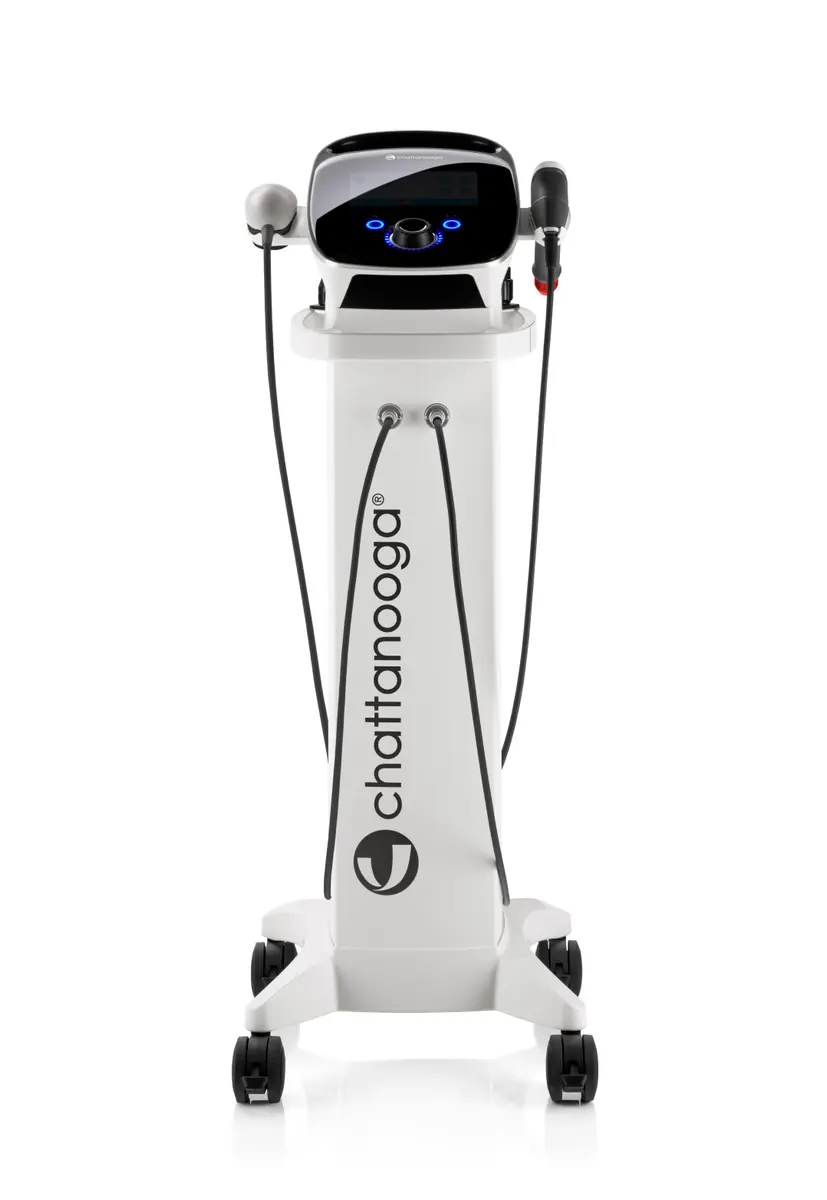
Clarify included accessories, optional items, delivery, support, warranty, and training.
Review purchase structure alongside service, warranty, and implementation needs.
Map approvals, ordering, room setup, staff onboarding, and launch timing.
Request an itemized quote identifying the exact system, compatible accessories, quantities, delivery scope, and included instruction. Keep optional components and separately arranged support visible. If the clinic is comparing laser, focused shockwave, and radial pressure wave equipment, have the clinical lead review each device independently. Financing terms should not substitute for the decision about whether the proposed configuration fits the clinic.
Identify room preparation, staff time, delivery expenses, and any separately quoted services before asking how the purchase will be funded. Ask the provider which lines appear on the equipment invoice and ask the lender which expenses its proposal covers. Record unresolved amounts separately. This purchasing review does not assume that every expense is eligible under a particular loan or lease.
Ask the actual lender which business, ownership, financial, and equipment documents it requires for this application. Request its eligibility review process and the point at which any stated terms become a formal offer. Keep the equipment supplier and finance provider identified separately so staff know who can answer configuration questions and who can answer credit or agreement questions.
The SBA lists equipment purchasing and installation among uses of its 7(a) program and states that borrowers apply through lenders. It also explains that application contents vary with the loan and lender process. That provides general context, not proof that your clinic qualifies or that Chattanooga offers this program. Discuss suitability and current requirements with a participating lender rather than treating this guide as an approval assessment. [5]
Establish the equipment scope before comparing funding proposals. Request application requirements from the actual lender.
Request a written schedule showing any initial payment, payment frequency, agreement length, fees, and total required payments. Ask whether quoted payments can change and what assumptions the proposal uses. Where the agreement provides an end-of-term purchase or other ownership arrangement, request the exact provision and amount. Have a qualified adviser explain terms that remain unclear before signing.
Ask about early repayment, termination, transfer, insurance obligations, and any guarantee or security provisions in the proposed agreement. Do not assume two proposals with similar monthly payments have identical obligations. Keep financing terms separate from equipment warranty and service coverage. This guide does not prescribe a loan structure, quote a rate, or promise a deduction; obtain transaction-specific financial, legal, and tax advice.
Clarify the sequence for agreement approval, supplier payment, equipment delivery, and acceptance. Ask the lender and supplier what documentation each requires at those stages. Identify who in the clinic may authorize acceptance and who resolves a mismatch with the equipment quote. Do not assume funding confirmation establishes that delivery, installation review, or operator instruction has been completed.
Review the proposed payment obligation against the clinic's own operating assumptions with its financial adviser. Keep equipment costs and service expenses visible without promising patient demand, reimbursement, or a guaranteed return. Bring unresolved device and workflow questions to a modality demonstration before committing to a configuration. Use the therapy equipment quote checklist to keep the purchase scope consistent with the financing proposal and delivery record.
| Review area | Information to confirm |
|---|---|
| Equipment proposal | Exact configuration, included items, delivery and instruction scope |
| Lender requirements | Application documents, eligibility process and formal-offer status |
| Agreement comparison | Initial charges, payment schedule, total payments, ownership and exit provisions |
| Implementation sequence | Supplier payment, delivery, acceptance responsibility and retained records |
No. Ask the representative about any currently available purchasing arrangements and obtain written terms from the actual finance provider.
Compare the payment schedule, total required payments, fees, initial charges, ownership provisions, and early-exit terms. Ask the lender to resolve unclear items.
Request the checklist from the actual lender for your business and proposal. Do not assume another clinic's application or approval applies to yours.
Questions for clinics evaluating equipment fit, training, support, service, safety, and purchase timing.
Ask for the cash price, amount financed, payment schedule, term, fees, down payment, and end-of-term obligations. Identify the financing provider and obtain the contract before deciding. This guide does not state that a particular financing offer is currently available from Chattanooga Rehab.
Compare the amount financed, term, rate or cost of credit, fees, payment timing, and ownership conditions. Calculate the total payments from the written proposal. A lower monthly amount can reflect a longer commitment rather than a lower total purchase cost.
Ask which quote items are included in the financed amount and which are paid separately. Review accessories, training, shipping, installation, and any service agreement line by line. The financing contract and equipment quote should describe the same configuration before approval.
Read the contract for return requirements, purchase options, renewal, notice deadlines, and any residual payment. Ask the financing provider to clarify uncertain terms in writing. Do not assume ownership transfers automatically because the monthly payment resembles a purchase installment.
Request the early-payment calculation, fees, notice requirements, and any restrictions from the financing provider. Compare that with the clinic expected purchase horizon. Ask your financial adviser to review the agreement; this page does not provide tax or legal advice.
Confirm when approval expires, when payment obligations begin, and how delivery delays or configuration changes are handled. Coordinate room readiness and training with the equipment order. Obtain the acceptance and cancellation provisions before signing rather than assuming payment begins after the first patient appointment.
Ask the representative to itemize the rehabilitation equipment configuration and the parts or services needed for this project. Record included quantities, optional purchases, training, delivery assumptions, and written support terms. Have the purchasing and clinical leads compare that scope with the specific requirements above before approval.
Request current instructions for the exact model, accessory compatibility information, the accepted quote, and the applicable warranty or contract terms. Record the document version and market. Use these records to resolve unanswered questions rather than relying on an older brochure or a general sales statement.
Have the clinical lead approve device fit and operation, the administrator approve staffing and room readiness, and the purchasing lead approve the written cost and contract scope. Include a safety or facility reviewer where needed. Keep each approval tied to the proposed configuration.
Separate the equipment purchase from accessories, staff time, training, shipping, inspection, maintenance, and service. Request current prices for applicable items and identify unknown costs. Review these assumptions with the financial lead without turning an estimate into a guaranteed annual expense or return.
Use the current operating instructions to review setup, device controls, accessory identification, care, and issue reporting. Record completed instruction and questions requiring follow-up. The clinical lead should decide when operators are ready under the facility policy rather than assuming attendance at a sales demo is sufficient.
Use the demo link on this page and provide the clinic type, room plan, operators, purchase timeline, and this topic's unresolved questions. Ask for a demonstration of the proposed rehabilitation equipment configuration and written follow-up on quote scope, training, and service.
1. Chattanooga. Class IV laser therapy devices: indications, safety, training, and equipment selection. Laser device indications, operating context, and training questions.
2. Chattanooga. Shockwave therapy devices: US indications and device categories. The US indication statement and distinction between focused shockwave and radial pressure wave.
3. Chattanooga. Intelect RPW 2: US product documentation and instructions. RPW device and accessory documentation. Confirm the current instructions for the quoted model.
4. Chattanooga. Intelect Focus Shockwave: US product documentation and instructions. Focused-system documentation and compatible accessories. These are separate from RPW accessories.
5. US Small Business Administration. 7(a) loans. General equipment-financing context. This is not a Chattanooga financing offer, approval, rate, or eligibility promise.
Individual results may vary. Neither DJO Global, Inc. nor any of its subsidiaries dispense medical advice. The contents of this website do not constitute medical, legal, or any other type of professional advice. Information related to various health, medical, and fitness conditions and their treatment is not meant to be a substitute for the advice provided by a physician or other medical professional.
Review the current US instructions for the exact equipment configuration before approving clinical use, accessories, room controls, or staff training. Manufacturer documentation supports product facts; clinical research addresses its stated study population and methods. A study does not extend a device indication. [1]
Intelect Focus Shockwave has a US indication for heel pain due to chronic proximal plantar fasciitis in adults with failed alternative conservative therapies for at least six months. Review radial pressure wave labeling independently; do not transfer a condition claim between systems. [2]