Workflow fit
Plan room setup, provider handoff, transmitter handling, and patient scheduling.


Plan a radial pressure wave muscle-pain workflow around current RPW device labeling, intended operators, room preparation, compatible accessories, and equipment-record responsibilities. Bring that workflow to a shockwave demonstration before approving a system or assuming a general muscle-pain query establishes patient suitability. Chattanooga Rehab is a rehabilitation equipment manufacturer serving professional clinics with LightForce laser and Intelect shockwave systems.
Plan room setup, provider handoff, transmitter handling, and patient scheduling.
Ask about transmitters, replacement path, storage, and service implications.
Confirm training, warranty, service path, and future staff onboarding.
Ask the clinical lead to define the proposed radial pressure wave role within the clinic's existing care process. Identify intended operators and the questions requiring qualified review before buying. A muscle-pain search term is not a patient-selection decision. Keep clinical suitability and contraindication review separate from the purchasing team's questions about staffing, price, and delivery.
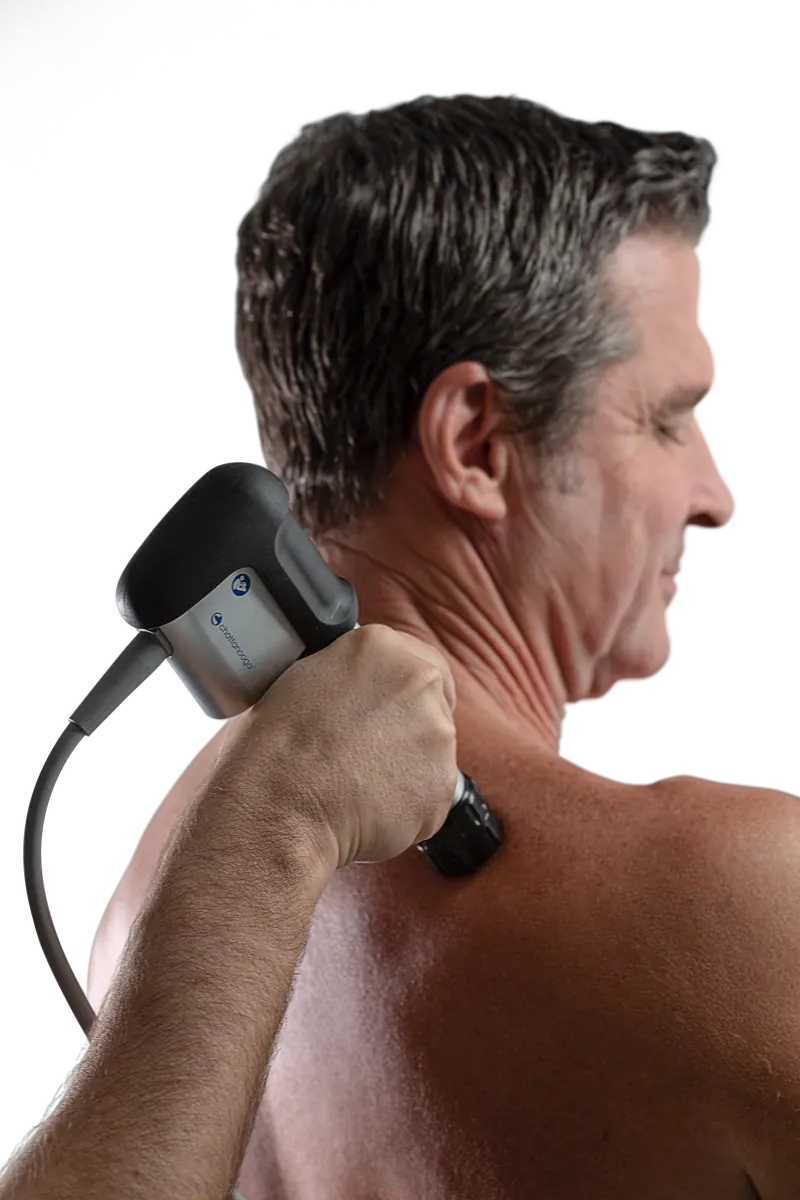
The official Intelect® RPW 2 page describes a system intended to help reduce muscle pain and aches and temporarily increase blood flow. Use current labeling and operating documents for the exact configuration when reviewing proposed use. Keep radial pressure wave documentation separate from focused shockwave instructions and indications. Do not expand the equipment role into a healing, permanent-relief, or guaranteed-response claim. [2]
Bring the actual room layout, treatment-table position, access to controls, storage, and intended staff movement to the demonstration. Ask operators to identify the setup and equipment-record tasks they need to evaluate. Record constraints at the receiving site instead of copying another clinic's room arrangement. Ask the facilities reviewer to resolve installation questions using current model-specific instructions.
If equipment movement is proposed, request documented movement, storage, and operating provisions for the actual system. Identify who manages transfers and retains the equipment file. Include compatible accessories and cables in the layout review rather than evaluating the enclosure alone. Keep unresolved preparation tasks visible before delivery without assuming that a shared room or a separate room is appropriate for every practice.
Review RPW clinical scope independently from the purchasing discussion. Evaluate the workflow in the actual receiving room.
Ask the representative to identify the supplied handpiece and compatible radial transmitters by current documentation and part number. Compare included and optional components with the accepted proposal. Have intended operators evaluate documented attachment, handling, storage, and permitted care. Do not order by a familiar transmitter name or transfer an accessory procedure from another handpiece.
Request current inspection and maintenance instructions and clarify what staff may do versus what requires authorized service. Ask how usage and reported issues are recorded for the exact configuration. Obtain replacement-ordering contacts and current prices without inventing a universal pulse-based interval. Keep the component list and service information accessible to the staff member responsible for equipment records.
Request the operator instruction scope and arrangements for absent staff or later hires. Separate the evaluation demonstration from instruction and readiness decisions by the responsible reviewers. Identify who maintains current documents, records attendance, reports equipment issues, and coordinates service. Previous experience with another device does not establish readiness for a different model or configuration.
Retain the itemized proposal, configuration list, delivery-acceptance record, and unresolved conditions before introduction. Review staff explanations against current labeling rather than promising clinical results or revenue. Bring remaining workflow questions to the shockwave demonstration before purchase approval. Continue with the radial transmitter buying guide for component selection or the shockwave room setup guide for the separate receiving-site review.
| Review area | Information to confirm |
|---|---|
| Clinical review | Proposed RPW role, exact labeling and qualified suitability review |
| Room workflow | Actual layout, storage, controls and preparation owners |
| Component workflow | Compatible handpiece/transmitters, documented care and issue records |
| Staff readiness | Instruction scope, document ownership and service coordination |
No. Request current instructions for the exact radial system, handpiece, and compatible accessories rather than transferring another device's requirements.
Bring proposed clinical roles, actual room information, accessory-handling questions, intended staffing, and unresolved documentation or instruction requirements.
Retain current instructions, accepted configuration, compatible part numbers, instruction records, permitted care requirements, service contacts and issue reports.
Questions for clinics, rehab directors, chiropractors, sports medicine teams, and purchasing groups evaluating equipment.
Document the required configuration, accessories, operating instructions, training, and service contacts for each site. Identify differences in room layout and staffing before choosing one package. Standardization should address the actual workflows rather than assume identical equipment creates identical use.
Request device-specific operation, labeling review, accessory handling, care, issue reporting, and written training resources. Identify the initial operators and the person responsible for later staff onboarding. Confirm the training included in the quote and any separately arranged instruction.
Sequence purchasing approval, room preparation, accessory receipt, training, and acceptance. Assign an owner and completion evidence to each task. Confirm delivery assumptions with the representative so the team does not schedule use before the necessary setup and training are complete.
Retain the accepted quote, model and serial number, current instructions, accessory list, warranty terms, training record, and support contacts. Record any open questions before acceptance. Keep these documents accessible to both the clinical lead and the staff member who manages equipment service.
Ask what instruction is included, who may attend, where it takes place, and how future staff are trained. Account for staff time and any separate training expense. Obtain the scope in writing rather than assuming all future onboarding is included in the device price.
Review actual use, room access, staff confidence, operating questions, maintenance records, and support requests against the implementation plan. Have the clinical lead select any clinical evaluation measures. Use that information to address workflow gaps before purchasing additional systems.
Ask the representative to itemize the shockwave equipment configuration and the parts or services needed for this project. Record included quantities, optional purchases, training, delivery assumptions, and written support terms. Have the purchasing and clinical leads compare that scope with the specific requirements above before approval.
Request current instructions for the exact model, accessory compatibility information, the accepted quote, and the applicable warranty or contract terms. Record the document version and market. Use these records to resolve unanswered questions rather than relying on an older brochure or a general sales statement.
Have the clinical lead approve device fit and operation, the administrator approve staffing and room readiness, and the purchasing lead approve the written cost and contract scope. Include a safety or facility reviewer where needed. Keep each approval tied to the proposed configuration.
Separate the equipment purchase from accessories, staff time, training, shipping, inspection, maintenance, and service. Request current prices for applicable items and identify unknown costs. Review these assumptions with the financial lead without turning an estimate into a guaranteed annual expense or return.
Use the current operating instructions to review setup, device controls, accessory identification, care, and issue reporting. Record completed instruction and questions requiring follow-up. The clinical lead should decide when operators are ready under the facility policy rather than assuming attendance at a sales demo is sufficient.
Use the demo link on this page and provide the clinic type, room plan, operators, purchase timeline, and this topic's unresolved questions. Ask for a demonstration of the proposed shockwave equipment configuration and written follow-up on quote scope, training, and service.
1. Chattanooga. Shockwave therapy devices: US indications and device categories. The US indication statement and distinction between focused shockwave and radial pressure wave.
2. Chattanooga. Intelect RPW 2: US product documentation and instructions. RPW device and accessory documentation. Confirm the current instructions for the quoted model.
3. Chattanooga. Intelect Focus Shockwave: US product documentation and instructions. Focused-system documentation and compatible accessories. These are separate from RPW accessories.
Individual results may vary. Neither DJO Global, Inc. nor any of its subsidiaries dispense medical advice. The contents of this website do not constitute medical, legal, or any other type of professional advice. Rather, please consult your healthcare professional for information on the courses of treatment, if any, which may be appropriate for you.
Review the current US instructions for the exact equipment configuration before approving clinical use, accessories, room controls, or staff training. Manufacturer documentation supports product facts; clinical research addresses its stated study population and methods. A study does not extend a device indication. [1]
Intelect Focus Shockwave has a US indication for heel pain due to chronic proximal plantar fasciitis in adults with failed alternative conservative therapies for at least six months. Review radial pressure wave labeling independently; do not transfer a condition claim between systems. [1]