Transmitter planning
Ask which transmitters fit clinic workflow and how replacement planning is handled.


Choose shockwave therapy machine accessories by the exact system, compatible component identification, intended clinic workflow, and current operating documents. Before approving a purchase, request an itemized accessory quote and use the shockwave demo to confirm which items are included, optional, or separately serviced. Chattanooga Rehab is a rehabilitation equipment manufacturer serving professional clinics with LightForce laser and Intelect shockwave systems.
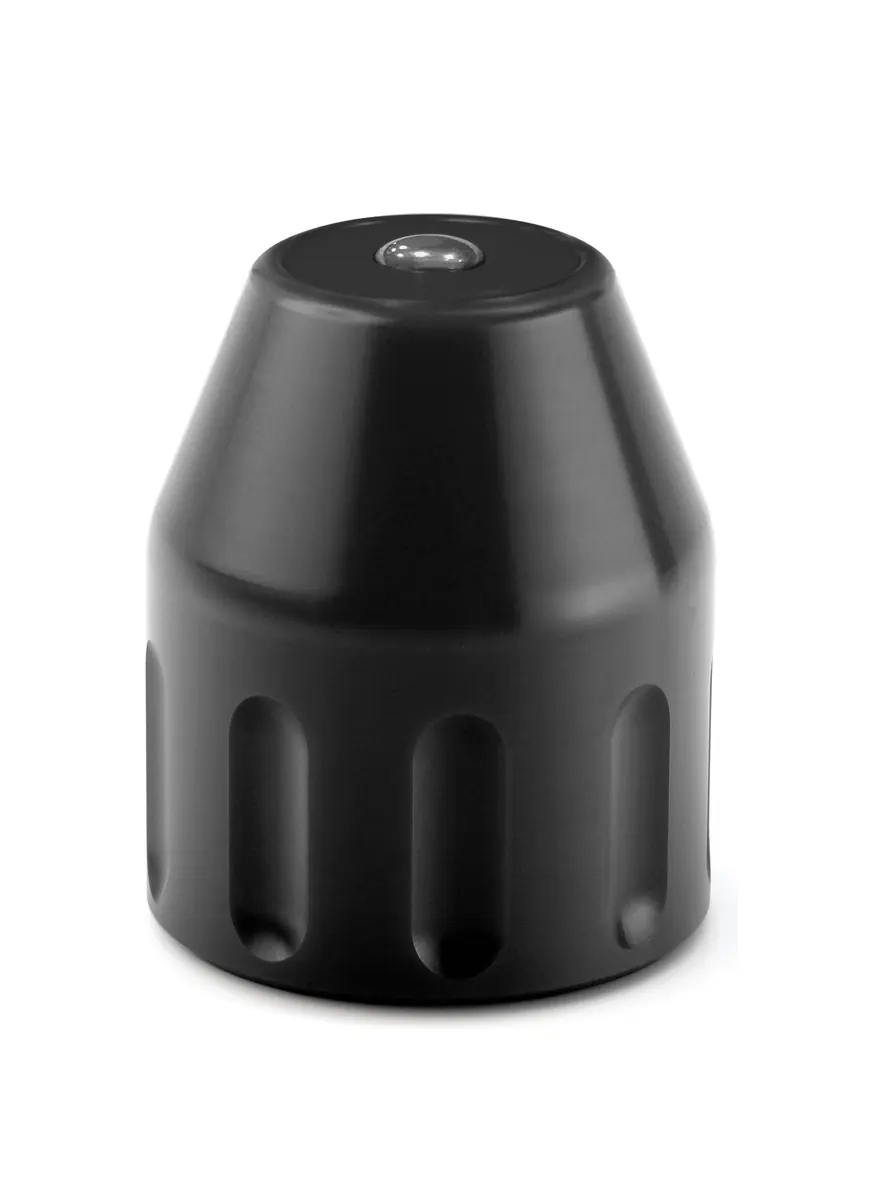
Ask which transmitters fit clinic workflow and how replacement planning is handled.
Confirm stand-off options, use cases, storage, cleaning, and quote inclusion.
Clarify included accessories, optional items, delivery, support, warranty, and training.
Start with the exact model and configuration in the equipment proposal. Ask the representative to identify the compatible handpiece, application accessories, and any separately ordered items. Keep focused shockwave and radial pressure wave lists separate. A general shockwave accessory search can show components from different technologies, manufacturers, and markets. It does not establish that a part fits the device your clinic plans to purchase.
The current US Intelect® RPW 2 page lists named D-ACTOR® transmitters and a Falcon® handpiece revision kit among standard accessories. Treat these as distinct component categories when reviewing the proposal. Confirm the current package and part identification in writing. An accessory list helps identify purchasing questions; it is not a substitute for the operating instructions or the final accepted quote. [2]
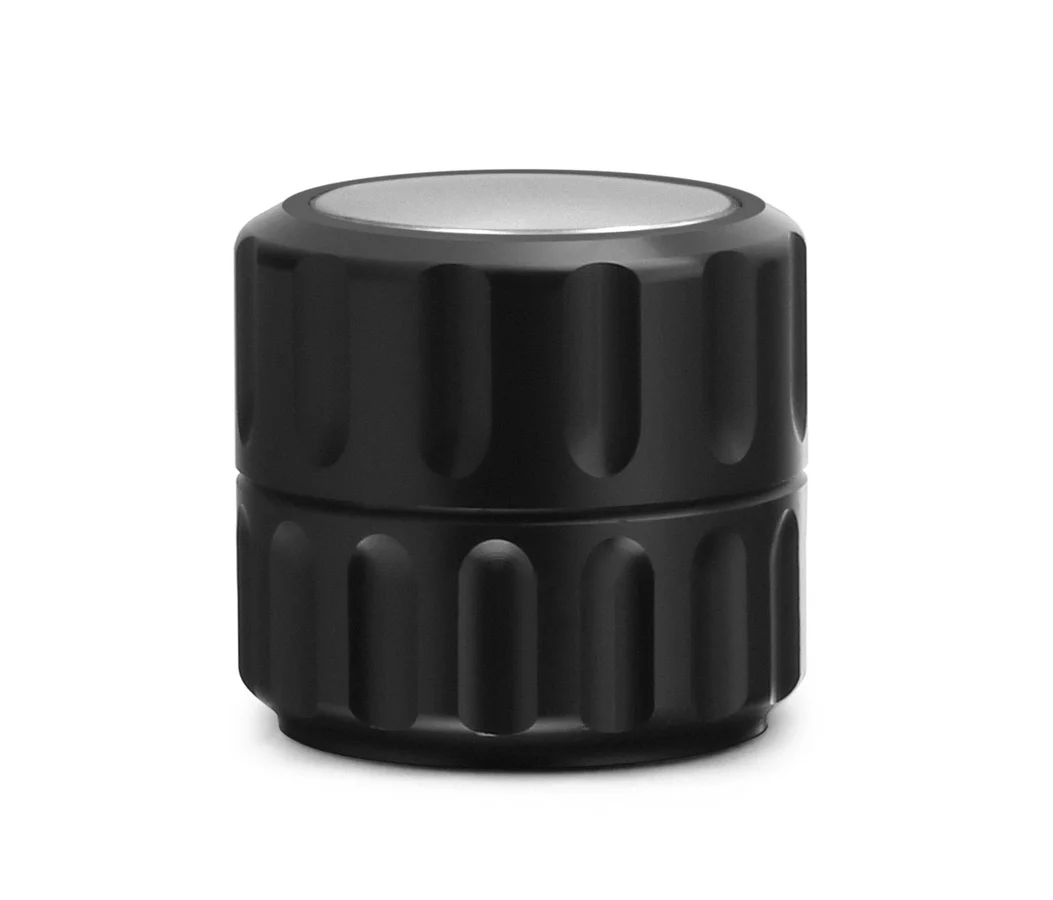
Request an itemized list alongside the system price. Mark each item as included, optional, or separately arranged, and record its quantity. Ask the representative to identify any difference between the demonstration configuration and the quoted package. When a proposal uses a broad phrase such as accessory bundle, request the component names before procurement approves the order.
Have the clinical lead review which documented options belong in the intended workflow. Then ask operations staff to review storage, movement between rooms, and access for the actual operators. Do not order an assortment because every item appeared in a sales presentation. Record the reason for additional quantities and request their prices separately so the administrator can compare the accepted scope across proposals.
Identify compatibility before comparing accessory prices. Separate included items from optional purchases.
Separate initial accessories from later consumable purchases, replacement parts, and authorized service work. Ask for the current price and ordering contact for each relevant line. Clarify any shipping charge, availability assumption, or documentation needed to identify the replacement. Keep unresolved costs visible in the purchasing record rather than assigning them a made-up annual allowance.
Review accessory coverage independently from the main equipment warranty. Request the written provisions that apply to the exact component and distinguish a replacement purchase from a service task. Ask who may perform each documented task and what requires authorized support. A revision kit supplied with a package does not, by itself, establish permission for every staff member to undertake a repair.
Check delivered names, part numbers, quantities, and model compatibility against the accepted quote. Retain the relevant operating, inspection, care, and storage instructions with the equipment record. Assign someone to report missing or mismatched items before the order is treated as accepted. If a substitution is proposed, obtain the documented compatibility and purchasing approval rather than treating similar appearance as sufficient.
Include accessory identification and permitted handling tasks in device-specific staff instruction. Keep clinical selection with the qualified clinical lead and use current labeling to resolve intended use. Purchasing an additional component does not establish a new device indication. Bring unresolved configuration questions to the shockwave demonstration, then use the RPW transmitter selection guide for the narrower transmitter comparison. [2] [3]
| Review area | Information to confirm |
|---|---|
| Compatibility | Exact system, handpiece, component name and part number |
| Initial package | Included and optional items, quantities, demonstration differences |
| Ongoing ownership | Replacement prices, consumables, service responsibilities and coverage |
| Delivery acceptance | Received quantities, documentation, instruction and approval records |
Do not assume interchangeability. Request documented compatibility for the exact system, handpiece, and accessory before ordering or transferring a component.
Record the accessory name, part number, compatible model, quantity, included or optional status, current price, and ordering contact.
Base spare quantities on documented compatibility, staffing, storage, availability, and interruption planning. Request separate prices rather than assuming spares are included.
Questions for clinics evaluating equipment fit, training, support, service, safety, and purchase timing.
Ask for model-specific part numbers, quantities, included items, and optional items. Separate treatment accessories, protective equipment, storage, carts, and consumables. Have the clinical team review the list before purchasing so the quote represents the planned workflow rather than just the base device.
Compare each proposed accessory with the current documentation for the exact model and handpiece. Request written confirmation for any uncertain combination. Do not rely on photographs, a shared product-family name, or an accessory used on an older system.
Ask to see fitting, removal, identification, cleaning, inspection, and storage for the parts in the quote. Include the staff responsible for daily setup. Review the instructions during the demonstration so handling decisions are tied to documentation rather than an informal habit.
Ask the supplier to distinguish the main device, handpiece, wear items, and consumables in the written terms. Request the coverage and exclusions for each quoted part. A system warranty should not be read as a promise that every accessory replacement is covered.
Compare like-for-like configurations and intended use. Record replacement prices, quantities, care needs, ordering contacts, and any separate service costs. A quote with fewer included accessories may require additional purchases before it supports the room and staff workflow you planned.
Ask which compatible options can be ordered later and whether additional training is needed. Record part numbers and the support contact with the original quote. Confirm future options for the exact model rather than assuming an accessory offered today will remain available indefinitely.
Ask the representative to itemize the shockwave equipment configuration and the parts or services needed for this project. Record included quantities, optional purchases, training, delivery assumptions, and written support terms. Have the purchasing and clinical leads compare that scope with the specific requirements above before approval.
Request current instructions for the exact model, accessory compatibility information, the accepted quote, and the applicable warranty or contract terms. Record the document version and market. Use these records to resolve unanswered questions rather than relying on an older brochure or a general sales statement.
Have the clinical lead approve device fit and operation, the administrator approve staffing and room readiness, and the purchasing lead approve the written cost and contract scope. Include a safety or facility reviewer where needed. Keep each approval tied to the proposed configuration.
Separate the equipment purchase from accessories, staff time, training, shipping, inspection, maintenance, and service. Request current prices for applicable items and identify unknown costs. Review these assumptions with the financial lead without turning an estimate into a guaranteed annual expense or return.
Use the current operating instructions to review setup, device controls, accessory identification, care, and issue reporting. Record completed instruction and questions requiring follow-up. The clinical lead should decide when operators are ready under the facility policy rather than assuming attendance at a sales demo is sufficient.
Use the demo link on this page and provide the clinic type, room plan, operators, purchase timeline, and this topic's unresolved questions. Ask for a demonstration of the proposed shockwave equipment configuration and written follow-up on quote scope, training, and service.
1. Chattanooga. Shockwave therapy devices: US indications and device categories. The US indication statement and distinction between focused shockwave and radial pressure wave.
2. Chattanooga. Intelect RPW 2: US product documentation and instructions. RPW device and accessory documentation. Confirm the current instructions for the quoted model.
3. Chattanooga. Intelect Focus Shockwave: US product documentation and instructions. Focused-system documentation and compatible accessories. These are separate from RPW accessories.
Individual results may vary. Neither DJO Global, Inc. nor any of its subsidiaries dispense medical advice. The contents of this website do not constitute medical, legal, or any other type of professional advice. Information related to various health, medical, and fitness conditions and their treatment is not meant to be a substitute for the advice provided by a physician or other medical professional.
Review the current US instructions for the exact equipment configuration before approving clinical use, accessories, room controls, or staff training. Manufacturer documentation supports product facts; clinical research addresses its stated study population and methods. A study does not extend a device indication. [1]
Intelect Focus Shockwave has a US indication for heel pain due to chronic proximal plantar fasciitis in adults with failed alternative conservative therapies for at least six months. Review radial pressure wave labeling independently; do not transfer a condition claim between systems. [1]